
What a Home Inspection Is - and Isn't
A home inspection is a professional, visual evaluation of a property's condition at a specific point in time. It is not a code-compliance review, an appraisal, or a warranty. The inspector's job is to identify visible deficiencies and flag areas where a licensed specialist should take a closer look - not to certify that the home is defect-free or predict every future repair.
Understanding this distinction matters because buyers sometimes interpret a clean inspection report as a green light for a trouble-free home. In reality, inspectors cannot see inside walls, test for environmental hazards, or predict how an aging system will perform. The report is a snapshot, not a guarantee.
The inspection is also separate from the appraisal, which is ordered by your lender and focuses on market value rather than condition. For more on how condition relates to value, see what drives a home's appraised value.
Attend the Inspection in Person
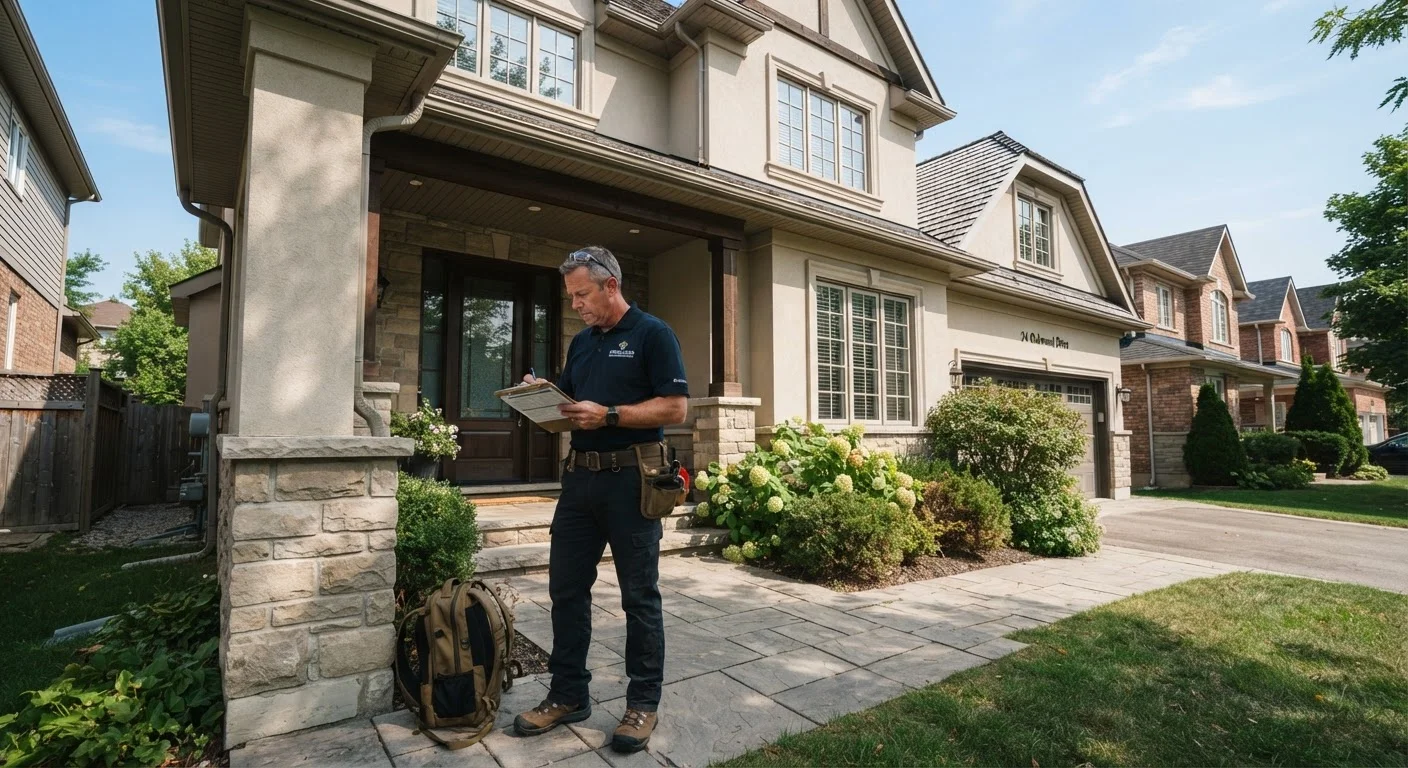
Walking through the home with your inspector is far more valuable than reading the report alone. Inspectors can point to exactly what they're flagging, explain severity in plain language, and answer questions on the spot. Plan for two to four hours and bring a notebook or use your phone to photograph key areas the inspector highlights.
This guide is part of a broader series on the home-buying journey. If you're earlier in the process, the complete home-buying guide covers everything from mortgage prep to closing day.
What you will need
Tools and Professionals You'll Need
Licensed Home Inspector
Conducts the physical assessment of the property and produces the written report.
Inspection Contingency Clause
Protects your earnest money if inspection findings allow you to renegotiate or exit the contract.
Specialty Inspector (radon, mold, pest, etc.)
Performs targeted testing outside the scope of a standard general inspection.
Real Estate Attorney or Agent
Helps you interpret inspection findings and draft repair requests or contract amendments.
Your buyer's agent plays an important supporting role throughout the inspection process - helping you identify a qualified inspector, interpret the report, and frame your repair requests effectively. If you're still building your team, see our article on working effectively with a buyer's agent.
Step-by-Step: Navigating Your Home Inspection
Never Skip the Inspection Contingency Lightly
In competitive markets, some buyers waive the inspection contingency to strengthen their offer. This is a significant financial risk - if serious defects are discovered after closing, the cost falls entirely on you. Consult your real estate agent and review your risk tolerance carefully before waiving any contingency. See also: how contingencies protect buyers.
Hire a Qualified Inspector Before Your Contingency Deadline
Your purchase contract will specify an inspection period - typically 7 to 14 days after offer acceptance. Act promptly. Ask your buyer's agent for referrals, check your state's licensing board, and look for membership in recognized professional organizations such as ASHI (American Society of Home Inspectors) or InterNACHI. Confirm the inspector carries errors-and-omissions insurance. Get a sample report before booking so you know what level of detail to expect.
Understand What the Inspection Covers
A standard inspection is a visual, non-invasive evaluation of the home's accessible systems and components. Inspectors typically assess the roof, foundation, exterior, structural elements, electrical panel and visible wiring, plumbing, HVAC systems, insulation, windows, and doors. They will flag items as deficient, in need of repair, or requiring further evaluation by a licensed specialist.
What inspectors generally do not cover: concealed areas behind walls, septic systems, private wells, swimming pools, or any specialty hazard testing. If the home has a crawl space or attic, confirm access - these spaces commonly reveal significant moisture or structural issues. See our guide on what to watch for in crawl spaces and attics for more context.
Attend the Inspection and Ask Questions
Show up at the start of the inspection and plan to stay for the full session. As the inspector works through each area, ask them to clarify severity: Is this a safety issue, a maintenance item, or a capital expense to budget for? An inspector cannot tell you whether to buy the home, but they can put findings in context. Take notes on anything they flag verbally that may not fully capture the urgency in written form.
Review the Written Report Thoroughly
Inspection reports can run 30 to 80 pages. Resist the urge to read only the summary. Pay particular attention to items flagged as safety hazards, major defects, or issues requiring specialist evaluation. Distinguish between deferred maintenance (normal wear the seller may have ignored) and structural or systemic problems that carry large repair costs. Share the report with your agent and, when appropriate, your real estate attorney.
Order Specialty Inspections If Warranted
If the general inspector notes moisture intrusion, evidence of pest activity, an aging roof, an older electrical panel, or proximity to radon-prone geology, order the relevant specialist before your contingency expires. Common add-ons include radon testing, sewer scope, chimney inspection, and pest/termite evaluation. Each carries its own cost, but they are far less expensive than discovering a problem after closing.
Use the Report to Negotiate
The inspection report is a legitimate negotiating tool. Buyers commonly request one or more of the following: the seller makes specific repairs before closing, a credit is applied at closing so the buyer can arrange repairs themselves, or the purchase price is reduced to reflect the cost of deficiencies. Focus your requests on safety issues and major systems - sellers are generally more receptive to addressing clear defects than cosmetic or maintenance items. Your agent can advise on what's reasonable given local market conditions.
For a broader view of how this step fits into the full transaction, see the home-buying process from offer to closing.
Decide Whether to Proceed, Renegotiate, or Walk Away
After reviewing findings and negotiating, you have three options: proceed under the original terms, proceed under renegotiated terms, or exit the contract if defects are material and the seller won't address them - provided your contingency remains in place. There is no universally correct answer. Weigh the cost to remediate against the home's value, your financial position, and how competitive the market is. A candid conversation with your agent and attorney will help you decide.
Common Pitfalls and How to Avoid Them
Inspectors Have Scope Limitations
A standard home inspection does not include testing for radon, mold, lead paint, asbestos, wood-destroying insects, or underground fuel tanks. If the property or its age raises concerns in any of these areas, ask about specialty inspections before you close. These additional assessments carry their own separate fees.
One of the most frequent mistakes buyers make is treating every item in the inspection report as equally urgent. A report with 40 line items can look alarming, but many entries are routine maintenance notes - a loose gutter, a missing GFCI outlet - rather than signs of structural or systemic failure. Work with your agent to triage findings by safety risk, estimated repair cost, and whether the seller is likely to address them.
Equally important: don't let the report distract you from items that weren't inspected. If the home was built before 1978, lead paint is a legitimate concern. If the basement shows any sign of moisture, a mold assessment may be worth the cost. And if the home relies on a septic system or well, those components need their own dedicated evaluation - a general inspector will not cover them.
Finally, keep the inspection timeline in mind throughout. Missing your contingency deadline removes your ability to renegotiate or exit, which is one of the most costly mistakes a buyer can make in the entire transaction.