

Making and Negotiating an Offer
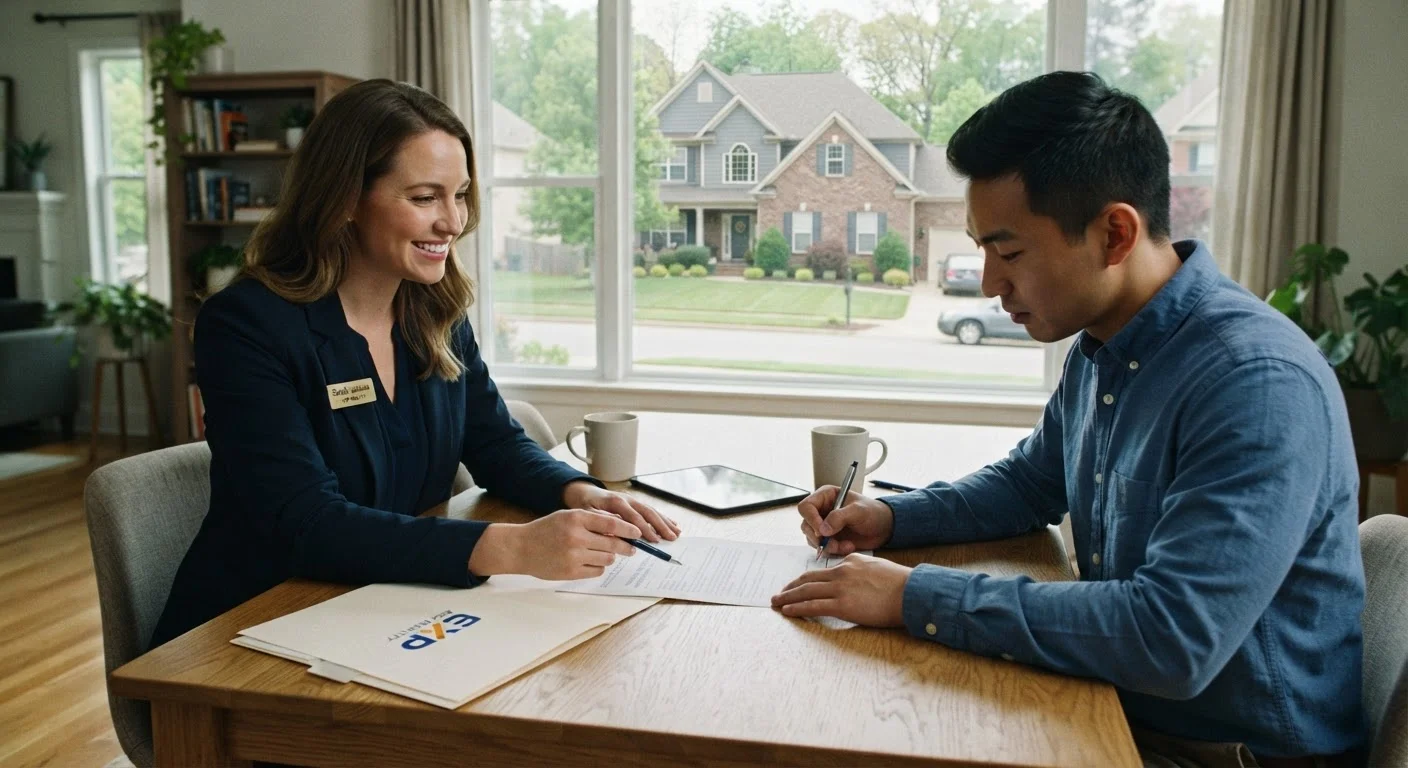
Once you find a home you want to buy, your agent helps you draft a purchase offer - a formal written proposal that specifies the price you're willing to pay, your preferred closing date, and any contingencies that must be satisfied for the sale to proceed. Common contingencies include financing (the sale depends on your mortgage being approved), inspection (you can exit or renegotiate based on findings), and appraisal (the home must appraise at or above the purchase price).
The seller may accept your offer outright, reject it, or issue a counteroffer adjusting price or terms. This back-and-forth negotiation continues until both parties agree and sign. At that point, the contract is legally binding. Submitting your earnest money deposit - held in escrow by a neutral third party - typically follows within a day or two of mutual acceptance.
For a deeper look at how financing fits into the broader home-buying picture, see our complete end-to-end home-buying guide.
Inspections, Appraisals, and Due Diligence
After an accepted offer, you enter the due diligence period - your window to investigate the property before you're fully committed. A professional home inspection, which you typically arrange and pay for, examines the structure, roof, plumbing, electrical systems, HVAC, and more. If the inspector finds significant problems, you can request that the seller make repairs, issue a credit at closing, or reduce the price. Depending on your contract, you may also have the right to walk away.
Simultaneously, your lender orders an appraisal - an independent estimate of the home's market value. If the appraisal comes in below the agreed purchase price, you have several options: renegotiate the price, make up the difference in cash, or invoke your appraisal contingency to exit the contract. The lender will not approve a loan for more than the appraised value.
30-60 days
Typical offer-to-closing timeline
According to industry data, most financed home purchases take between 30 and 60 days from accepted offer to closing, with cash deals often closing faster.
2%-5%
Typical closing costs as a share of loan amount
The Consumer Financial Protection Bureau notes that closing costs commonly fall between 2% and 5% of the loan amount, covering lender fees, title, escrow, and prepaid expenses.
~81%
Sales with at least one contingency
National Association of Realtors data has consistently shown that the large majority of purchase contracts include at least one contingency, most commonly financing and inspection clauses.
You may also want to commission a title search, which confirms the seller has clear legal ownership and that no liens or unresolved claims are attached to the property. Title insurance - available in lender's and owner's policies - protects against future claims that pre-date your purchase.
Mortgage Underwriting and Final Loan Approval
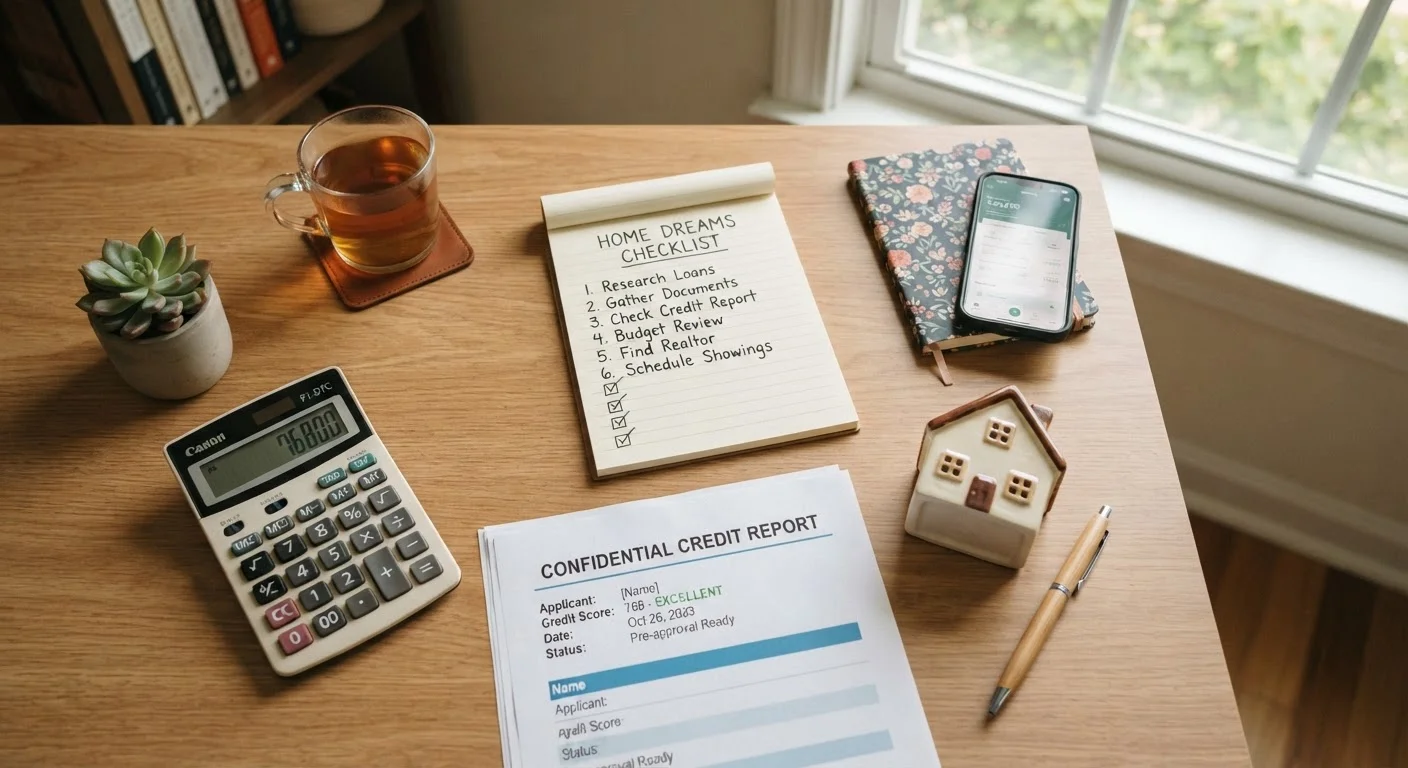
Pre-approval gets you to the offer stage, but underwriting is the lender's formal, in-depth verification before they commit funds. An underwriter reviews your income documentation, tax returns, bank statements, credit history, and the appraisal report. They may issue a "conditional approval" asking for additional documents - respond promptly, because delays here push back your closing date.
Avoid any major financial changes during this period. Opening new credit accounts, changing jobs, or making large purchases can jeopardize your approval even if you were initially pre-approved.
Protect Your Approval: Stay Financially Steady
During underwriting, treat your finances as if they are under a microscope - because they are. Avoid applying for new credit, financing large purchases, or making unusual cash deposits until after closing. Even a small change to your debt-to-income ratio can trigger additional conditions or, in rare cases, a denial of your loan.
Once underwriting is complete, the lender issues a Clear to Close - confirmation that your loan is approved and the closing can be scheduled. For plain-English definitions of the terms you'll encounter on your loan documents, see our guide to mortgage points, APR, and escrow.
Closing Day: What to Expect
At least three business days before closing, your lender must deliver a Closing Disclosure - a standardized form detailing your final interest rate, monthly payment, and an itemized list of every closing cost. Compare it carefully against the Loan Estimate you received early in the process. If figures have shifted materially, ask your lender to explain the differences before you proceed.
On closing day, you'll meet with a settlement agent, escrow officer, or real estate attorney (depending on the state) to sign a significant stack of documents. These include the promissory note (your repayment promise to the lender), the deed of trust or mortgage (the security instrument), and the closing disclosure acknowledgment. Your down payment and any remaining closing costs - typically 2%-5% of the loan amount - must be paid via certified funds or wire transfer.
After all documents are signed and funds are confirmed, the deed is recorded with the local government. Recording is the moment you legally become the homeowner - not simply when you sign, but when the public record reflects your ownership. Once recorded, you receive the keys.