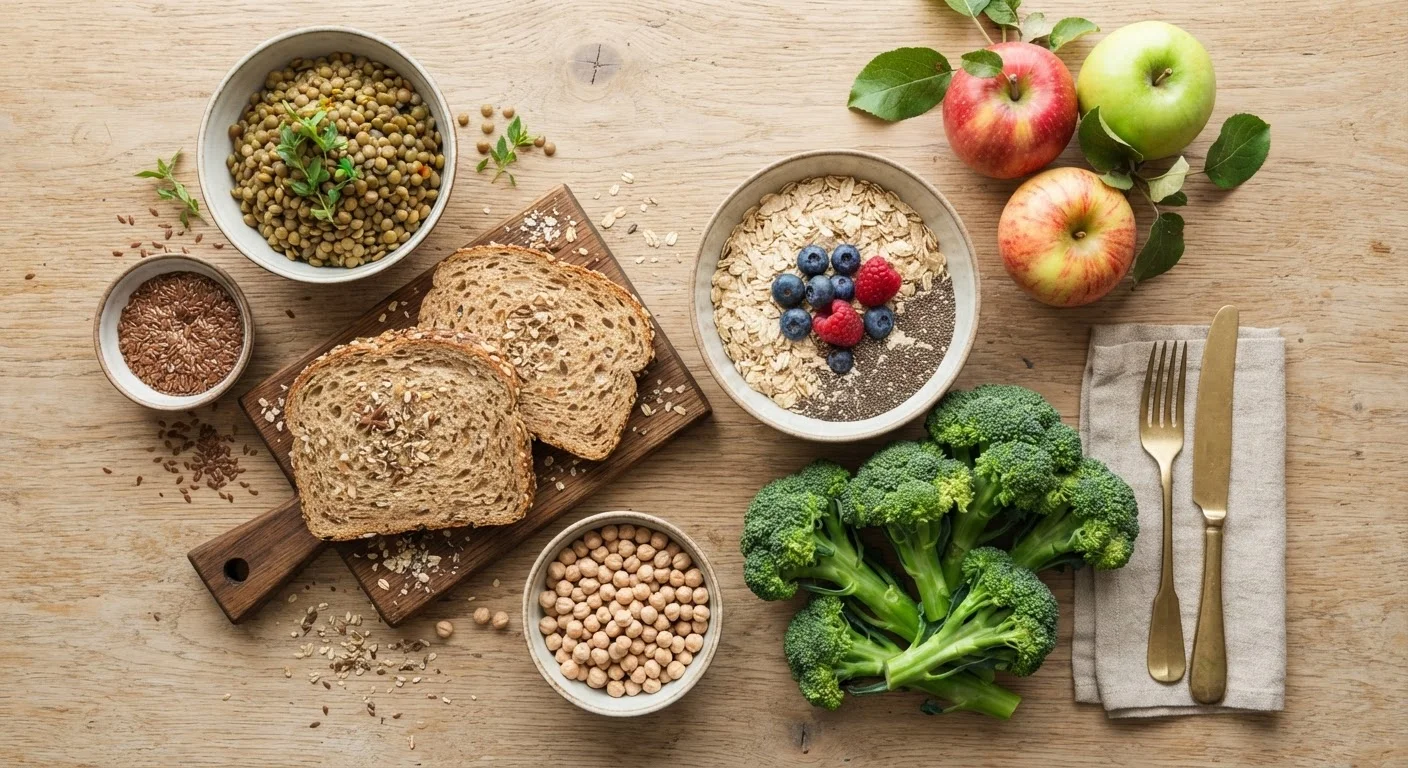


Why Nutrient Gaps Are Surprisingly Common
Despite living in one of the most food-abundant nations in the world, many Americans regularly fall short on essential nutrients. The explanation isn't lack of food - it's the type of food that dominates the average plate. Diets heavy in ultra-processed products, refined grains, and added sugars tend to deliver calories without delivering the vitamins and minerals the body depends on daily.
National dietary surveys, including data from the CDC's National Health and Nutrition Examination Survey (NHANES), have repeatedly identified several nutrients where intake consistently falls below recommended levels across large segments of the population. Understanding which nutrients are most affected - and which foods can help - is a practical first step toward a more complete diet.
For a broader foundation on what vitamins and minerals actually do in the body, see our plain-language micronutrient reference. The list below focuses on the gaps most commonly flagged in American eating patterns.
Supplements Aren't Always the Answer
While supplements can correct a confirmed deficiency, they are not a substitute for a varied, whole-food diet and should not be taken indiscriminately. Some nutrients are harmful in excess when taken in supplement form, and some may interact with medications. Always confirm whether supplementation is appropriate with a qualified healthcare provider before starting.
The Most Commonly Deficient Nutrients
Vitamin D
Vitamin D is arguably the most widespread nutrient shortfall in the United States. The body produces it through skin exposure to sunlight, but many Americans spend the majority of their time indoors, live in northern latitudes, or routinely use sunscreen - all of which limit synthesis. Dietary sources are limited: fatty fish (salmon, mackerel, sardines), egg yolks, and fortified foods like milk and some cereals are the main options.
Vitamin D supports calcium absorption, bone maintenance, immune function, and muscle health. Groups at heightened risk of low levels include older adults, people with darker skin tones, those who are rarely outdoors, and people with certain digestive conditions that impair fat absorption. A blood test can determine whether levels are insufficient.
Limited sun exposure and few dietary sources make vitamin D one of the most widespread U.S. nutrient shortfalls.
Calcium
Calcium is critical for building and maintaining bone density, as well as for muscle contraction and nerve signaling. Dairy products - milk, yogurt, and cheese - are the most concentrated food sources, but calcium is also found in fortified plant-based milks, canned fish with bones (like sardines), tofu made with calcium sulfate, and leafy greens such as kale and bok choy.
Intake tends to fall short particularly among adolescents, adults who avoid dairy, and older women, for whom adequate calcium throughout life is especially important for bone health. It's worth noting that vitamin D and calcium work in tandem - inadequate vitamin D limits how well the body absorbs calcium from food.
Calcium and vitamin D work together - a shortfall in one limits the effectiveness of the other.
Potassium
Potassium helps regulate blood pressure, fluid balance, and normal muscle and nerve function. The primary reason American diets fall short is straightforward: potassium is concentrated in fruits, vegetables, beans, and whole grains - food groups that are consistently under-consumed relative to dietary guidelines. Meanwhile, high sodium intake from processed foods compounds the issue, since the two minerals interact in ways that affect cardiovascular function.
Rich food sources include bananas, sweet potatoes, white potatoes, avocados, white beans, lentils, spinach, and plain yogurt. Increasing intake through whole foods is generally considered safe for healthy adults, though people with kidney disease should consult a provider before significantly raising potassium consumption.
Potassium shortfalls stem directly from low fruit, vegetable, and legume consumption - a defining feature of many U.S. diets.
Magnesium
Magnesium participates in more than 300 enzymatic reactions in the body, including energy production, protein synthesis, blood glucose regulation, and blood pressure control. Yet surveys consistently show that a significant portion of Americans consume less than the recommended amount. The shift away from whole grains toward refined grains - which lose much of their magnesium during processing - is a major contributor.
Good food sources include pumpkin seeds, chia seeds, almonds, dark chocolate, black beans, edamame, whole wheat bread, and dark leafy greens. Like potassium, magnesium is found predominantly in plant-forward foods, so overall dietary pattern matters more than any single food.
Replacing whole grains with refined ones strips away most of their naturally occurring magnesium.
Iron
Iron is essential for producing hemoglobin, the protein in red blood cells that carries oxygen throughout the body. Iron deficiency is the most common nutritional deficiency worldwide, and certain U.S. populations - particularly women of reproductive age, pregnant individuals, toddlers, and people following plant-based diets - are at meaningfully elevated risk.
There are two forms: heme iron (from animal sources like red meat, poultry, and seafood), which absorbs efficiently; and non-heme iron (from legumes, tofu, spinach, and fortified cereals), which absorbs less efficiently but can be enhanced by pairing it with vitamin C-rich foods. Adequate iron intake matters particularly during periods of growth and pregnancy - consult a provider before considering iron supplements, as excess iron can be harmful.
Pairing plant-based iron sources with vitamin C-rich foods meaningfully improves how much your body absorbs.
Vitamin B12
Vitamin B12 is required for nerve function, DNA synthesis, and red blood cell formation. It occurs naturally almost exclusively in animal products - meat, fish, poultry, eggs, and dairy - which means people following strict vegetarian or vegan diets are at notable risk of falling short without intentional planning or supplementation. Older adults are another high-risk group: the stomach produces less acid with age, and adequate stomach acid is needed to free B12 from food proteins for absorption.
Fortified foods - including some plant-based milks, breakfast cereals, and nutritional yeast - can serve as non-animal sources. Because B12 deficiency can develop gradually and symptoms may be subtle early on, those in higher-risk groups benefit from periodic monitoring with a healthcare provider.
Vitamin B12 is found almost exclusively in animal products, making it a critical consideration for plant-based eaters.
Closing the Gap Through Food First
For most people, the most effective strategy is to shift eating patterns rather than reach automatically for supplements. Dietary patterns consistently supported by research - such as those emphasizing vegetables, legumes, whole grains, nuts, and lean proteins - tend to deliver a broad spectrum of these shortfall nutrients together, in forms the body recognizes and absorbs well.
Nutrient needs also shift meaningfully across the lifespan. Our guide to nutrition through the life stages explains how requirements for nutrients like calcium, iron, and vitamin D change from childhood through older adulthood. And if dietary fiber is also on your radar - it's a related shortfall worth understanding - see our dedicated piece on why fiber intake falls short for most Americans.
If you suspect a specific deficiency or fall into a higher-risk group, speak with a healthcare provider. A simple blood panel can identify true shortfalls and guide whether supplementation is appropriate for your situation.
Build Variety, Not Just Volume
Rather than tracking individual nutrients obsessively, focusing on variety tends to cover most bases. Aim to include a range of vegetables, legumes, whole grains, nuts, seeds, and lean proteins across the week. A diet built on diverse whole foods is more likely to deliver a broad spectrum of micronutrients than one centered on a handful of repeated staples. Our complete nutrition overview covers how these pieces fit together.
This article is for general informational and educational purposes only and is not a substitute for professional medical advice, diagnosis, or treatment. Always consult a qualified healthcare provider with questions about your nutritional status or health.