
Why a Weekly Framework Works Better Than Daily Perfection
Most people think about eating one meal at a time - and that's where the pressure builds. When a single lunch feels like a health verdict, the mental load becomes unsustainable. A weekly frame shifts the perspective: nutrition averages out over days, not hours. If Tuesday's dinner is light on vegetables, Wednesday's breakfast can compensate.
This approach aligns with how nutrition research actually evaluates diet quality. Studies examining health outcomes tend to look at overall dietary patterns rather than isolated meals. As research on long-term eating patterns consistently shows, it's the habitual mix of foods over time that matters most - not any single food or meal.
Thinking in weekly blocks also makes practical planning far more manageable. You can batch-cook staples, rotate proteins, and ensure variety without needing to reinvent every plate from scratch.
The Core Building Blocks of a Balanced Plate
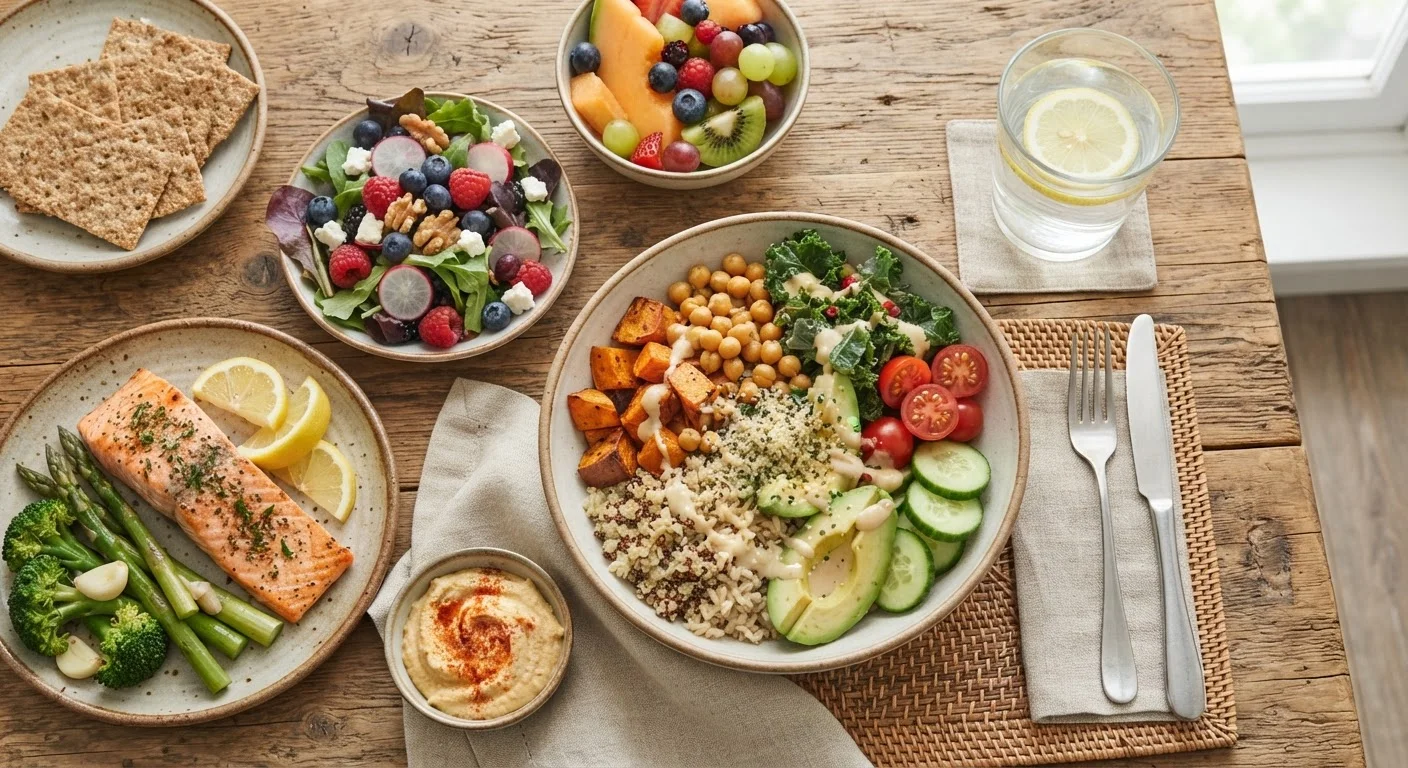
Before planning a week of meals, it helps to understand what nutritional balance actually looks like in practice. Most established dietary guidelines organize a balanced meal around four elements:
- Vegetables and fruits - Aim for roughly half the plate. Variety in color signals variety in micronutrients (vitamins and minerals).
- Quality protein - This includes poultry, fish, eggs, legumes, tofu, or other sources. Protein supports muscle maintenance, satiety, and cellular repair. Plant and animal proteins have different nutritional trade-offs worth understanding if you're mixing sources.
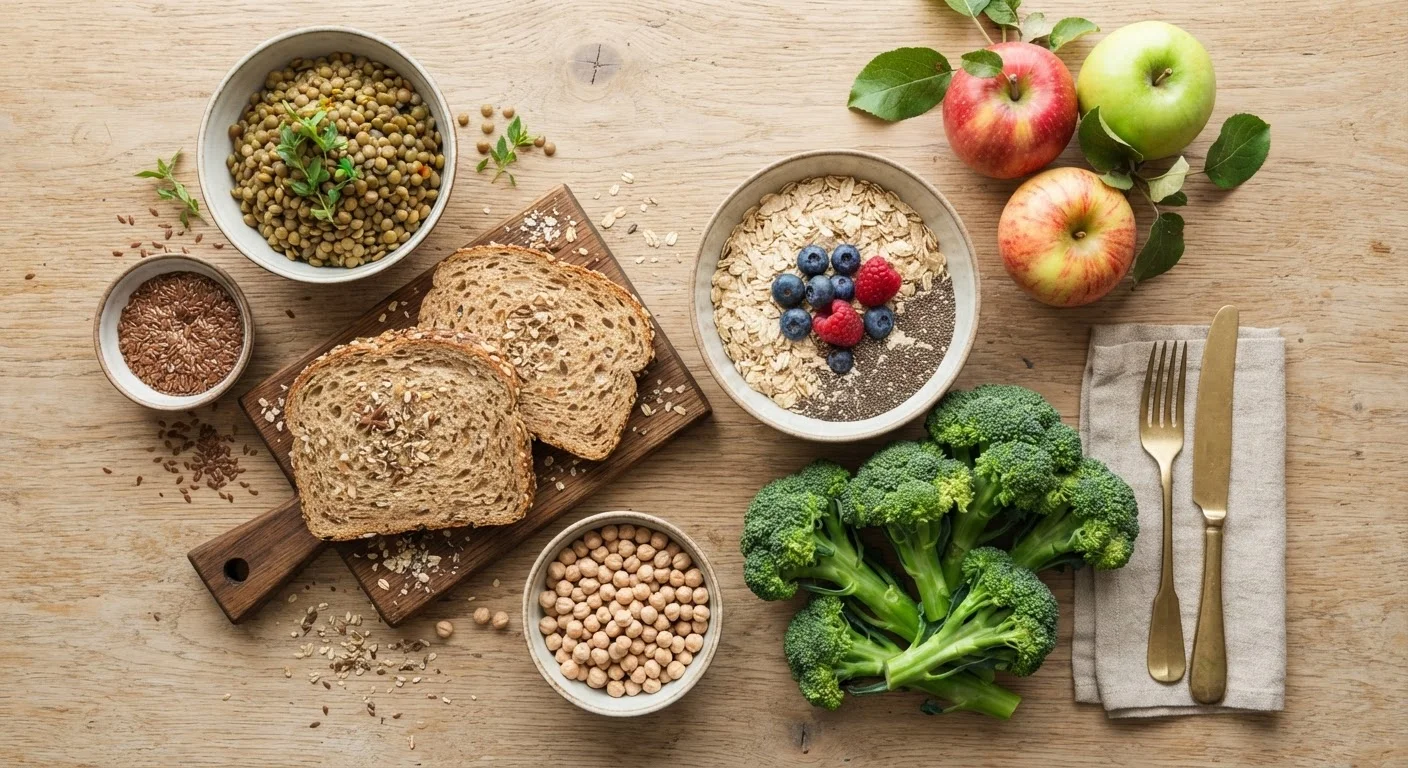
- Fiber-rich carbohydrates - Whole grains, beans, lentils, and starchy vegetables provide energy alongside fiber that supports digestive health and sustained energy levels.
- Healthy fats - Olive oil, avocado, nuts, and seeds contribute fat-soluble vitamins and support cardiovascular health when consumed in appropriate amounts.
These aren't proportions set in stone - they're a useful mental model. Learning to read nutrition labels clearly can help you understand where packaged ingredients fit within this framework.
Variety Is the Practical Goal
No single vegetable, grain, or protein contains every nutrient your body uses. Rotating your choices across the week - different greens, different grains, different protein sources - naturally broadens your micronutrient coverage without requiring calorie counting or detailed tracking. Think of variety as your most practical nutritional tool.
How to Plan a Balanced Week: Step by Step
What you will need
Audit what you already have
Before writing a single meal idea, check your pantry, refrigerator, and freezer. Identify proteins, grains, canned goods, and produce that need to be used. Building your plan around existing ingredients reduces waste and saves money.
Choose your protein anchors for the week
Select three to five protein sources you'll rotate across meals - for example, chicken thighs, canned salmon, lentils, eggs, and Greek yogurt. Anchoring meals around protein first makes the rest of the plan easier to fill in around each one.
Map meals to days without over-scheduling
Sketch a rough meal map - not a rigid timetable. Assign proteins to approximate days and leave one or two evenings open for leftovers or flexible meals. Account for nights you know you'll be out or too busy to cook.
Build a targeted grocery list
Translate your meal map into a grocery list organized by store section (produce, proteins, grains, dairy/alternatives, pantry). Specific lists mean fewer impulse purchases and less chance of arriving home missing a key ingredient.
Batch-cook two or three foundational components
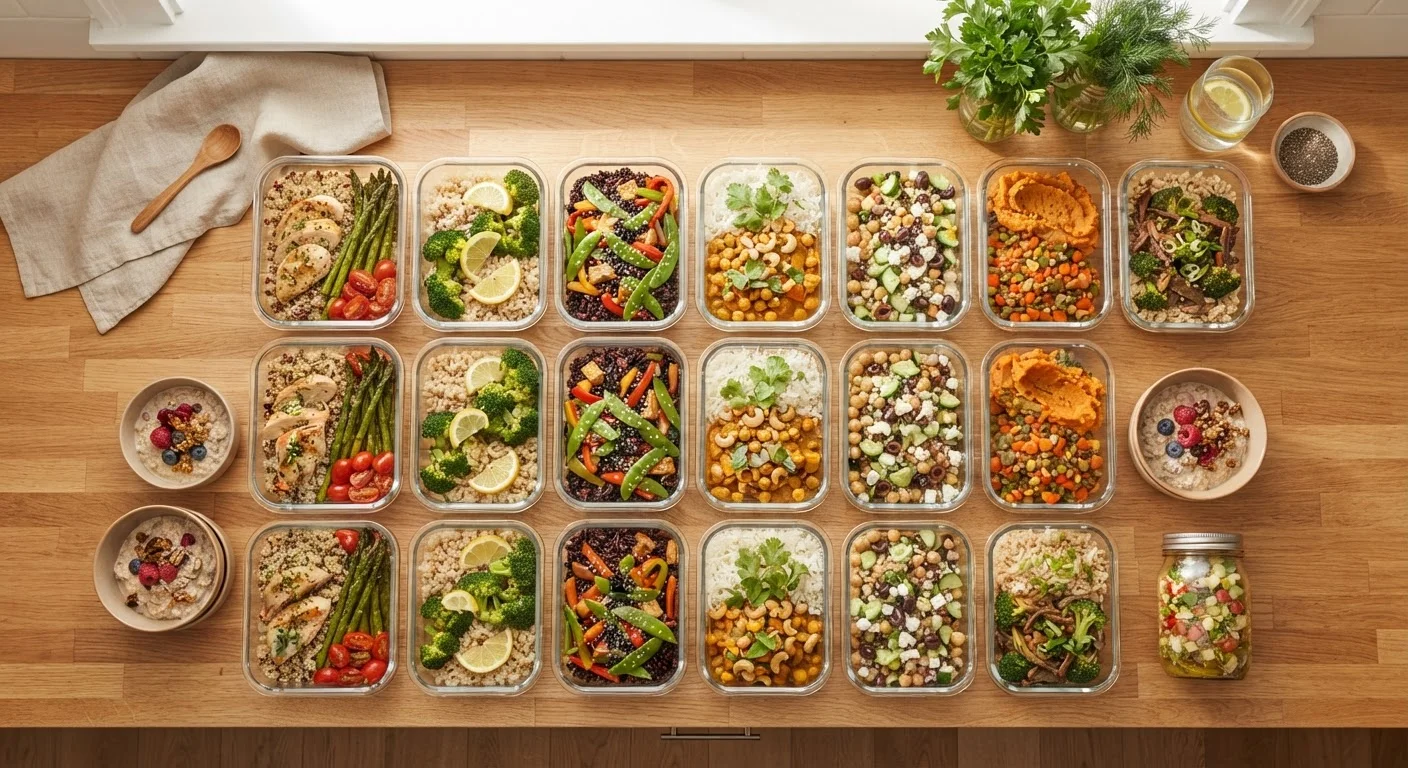
Set aside time once or twice a week to prepare staples in bulk: a pot of whole grains (brown rice, farro, or quinoa), a tray of roasted vegetables, and a base protein. These components mix and match across multiple meals without requiring a full cook each night.
Review and adjust at the end of the week
Spend five minutes Friday or Saturday noting what worked and what didn't. Did you consistently skip a planned meal? Was a certain ingredient always left unused? Small weekly adjustments compound into a plan that genuinely fits your lifestyle over time.
Common Pitfalls and How to Avoid Them
Even well-intentioned meal plans can fall apart. A few patterns tend to derail balanced eating more than others:
- Skipping hydration - Water supports digestion, nutrient transport, and metabolism. Hydration is a genuine nutritional priority, not an afterthought. Include water-rich foods and regular fluid intake in your weekly plan.
- Overcomplicating it - Elaborate recipes you won't realistically cook lead to takeout by Wednesday. Simple meals with quality ingredients are just as nutritionally sound as complex ones.
- Ignoring satiety signals - Meal planning is a structure, not a script. If you're genuinely not hungry, flexibility is fine. If you're consistently hungry between meals, your plan may need more protein or fiber.
- All-or-nothing thinking - One unplanned meal doesn't undo a week of balanced choices. Consistency over time matters far more than any single deviation.
For a broader understanding of how all these principles interconnect - from macronutrients to long-term habits - the complete picture on nutrition is a useful reference. Pair thoughtful eating with regular movement for best results: the Fitness & Movement hub covers practical ways to stay active alongside a healthy diet.
This article is for general informational purposes only and is not a substitute for personalized medical or dietary advice. Individual nutritional needs vary based on age, health status, activity level, and other factors. Consult a registered dietitian or qualified healthcare provider before making significant changes to your diet, especially if you have a chronic health condition or are in a special life stage such as pregnancy.