

The Language Your Pet Uses When Words Fail
Most pet owners know to listen for a growl or a hiss. But animals communicate distress long before they reach the point of vocalization - and those earlier signals are often the most important ones to catch. Behavioral scientists refer to many of these as calming signals or appeasement behaviors: subtle, often involuntary actions that animals use to self-soothe or signal discomfort to those around them.
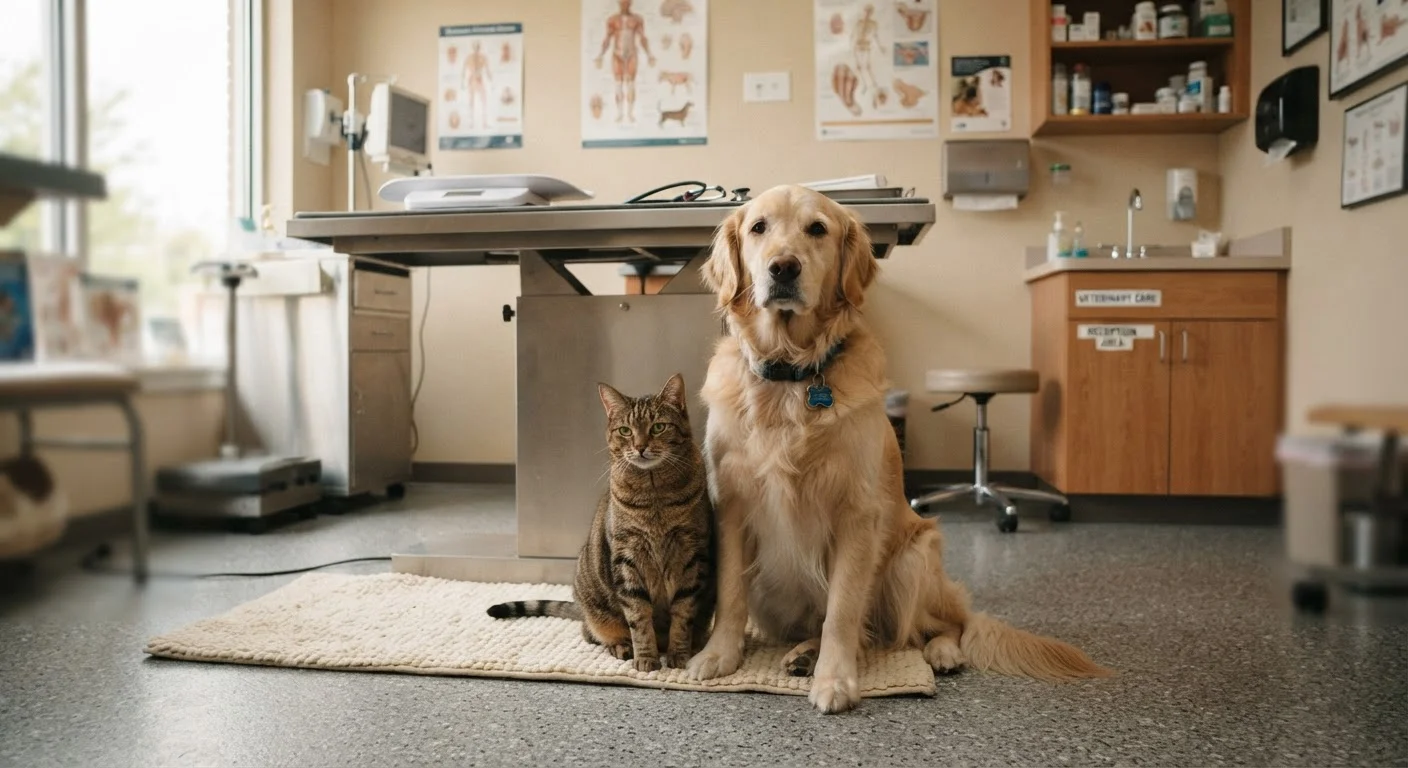
Because these behaviors look ordinary - a yawn, a scratch, a slow blink - they're easy to dismiss. But context is everything. A dog yawning after a long nap is relaxed. A dog yawning repeatedly during a vet exam is telling you something else entirely.
Understanding how pets communicate through body language is a foundational skill for any owner. Below are the silent stress signals most commonly missed - and what they actually mean.
Yawning out of context
Yawning is one of the most well-documented calming signals in dogs, first described by Norwegian dog trainer Turid Rugaas. When a dog yawns repeatedly in a situation that isn't sleep-related - during a training session, at the vet, or when a stranger approaches - it's often a sign of low-grade stress or an attempt to de-escalate tension.
Cats also yawn when stressed, though it can be harder to separate from genuine sleepiness. Look for clusters of yawning paired with other signals like flattened ears or a tucked body for a clearer read.
A yawn during training isn't boredom - it may be your dog's way of signaling stress.
Lip-licking and nose-licking
A quick flick of the tongue across the nose or lips - sometimes called a tongue flick - is another recognized calming signal in dogs. It happens fast and is easy to miss in photos or video. Watch for it when your dog is in close proximity to an unfamiliar person or animal, or during handling they find uncomfortable.
In cats, repeated licking of the nose or mouth area, outside of normal grooming, can indicate nausea or anxiety. Both species may also lick their lips when anticipating food, so again, context determines meaning.
That quick tongue flick across the nose is one of the fastest stress signals dogs display.
Whale eye in dogs
Whale eye refers to the visible crescent of white sclera (the white part of the eye) seen when a dog turns its head away but keeps its eyes fixed on a stimulus. It signals that the dog feels threatened or uncomfortable and is monitoring a situation without wanting to engage directly.
This is a signal that should never be ignored - it often precedes a snap or bite if the perceived threat continues. It's commonly misread by owners as the dog simply looking sideways.
Whale eye - visible whites of the eyes - is one of the clearest pre-conflict stress warnings in dogs.
Hiding or retreating to small spaces
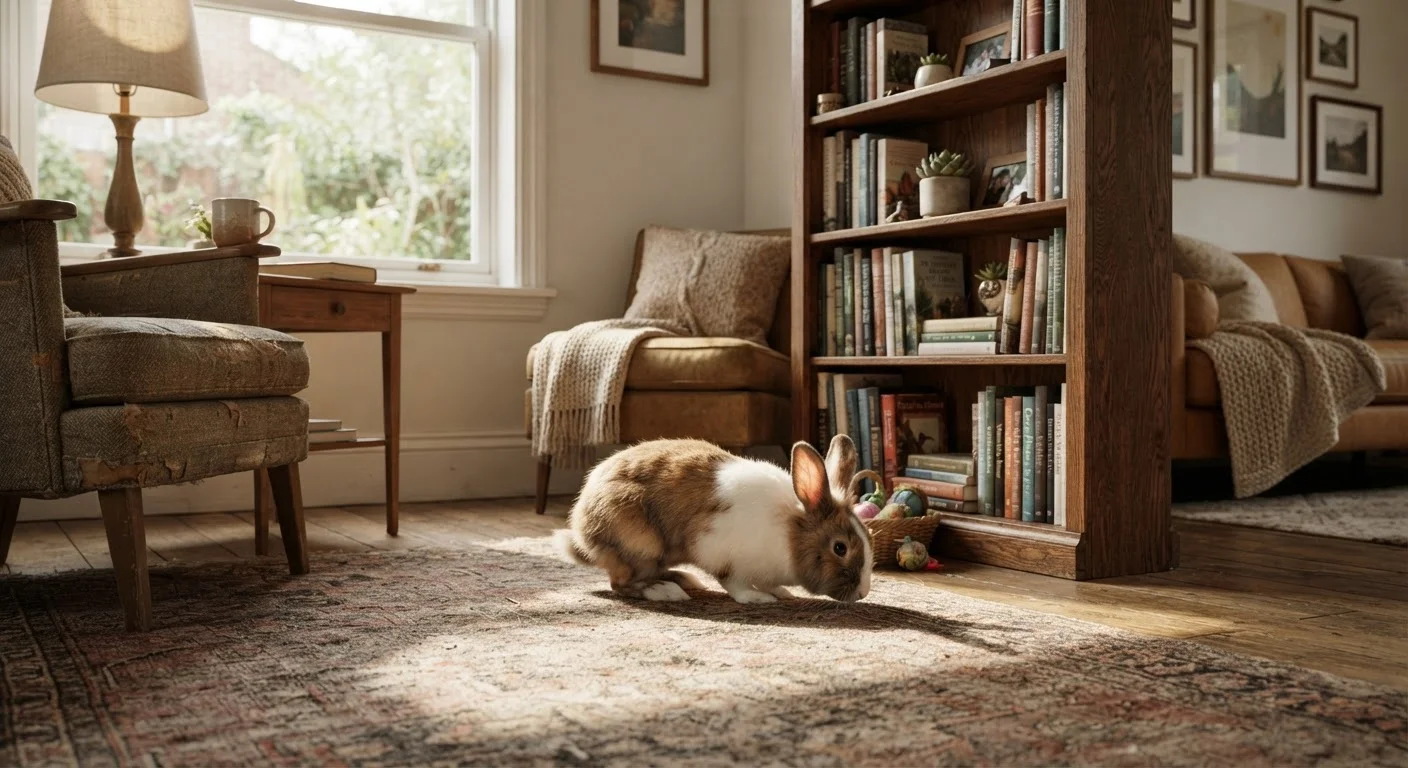
Cats are particularly prone to hiding when stressed, and it's a behavior that's easy to write off as their natural preference for solitude. But a cat that suddenly retreats under a bed, into a closet, or behind furniture - especially during changes like a new pet, a move, or visitors - is actively seeking safety from perceived threat.
Dogs may also withdraw, pressing against walls, hiding under furniture, or refusing to enter certain rooms. These retreat behaviors are the animal's way of creating distance from whatever is overwhelming them.
Retreating to small, enclosed spaces is a cat's primary coping strategy when the world feels threatening.
Excessive self-grooming or scratching
Grooming is normal - but grooming that appears at unusual times or in unusual amounts is a stress indicator. Cats under chronic stress may over-groom to the point of creating bald patches, a condition sometimes called psychogenic alopecia. Dogs may lick their paws or flanks repetitively under similar circumstances.
Scratching at the face, neck, or ears without an obvious cause (like allergies or parasites) can also signal anxiety. If this behavior is new or worsening, it warrants a veterinary visit to rule out underlying physical causes before assuming a behavioral one.
Compulsive licking or grooming beyond normal hygiene is a recognized behavioral sign of chronic stress.
Dilated pupils in calm conditions
Pupil dilation is controlled by the autonomic nervous system and reflects physiological arousal. In cats, pupils that are wide open in a well-lit, calm environment may indicate fear or stress rather than low light. In dogs, the effect is subtler but still observable alongside other signals.
This is particularly useful to notice in cats, whose pupils are highly expressive. A cat with slit pupils in bright light is generally relaxed; wide, round pupils in the same setting suggest heightened arousal, which may be excitement or anxiety depending on the full context. For more on feline body language, see our breakdown of what common cat behaviors actually signal.
In a well-lit room, wide pupils in a cat often reflect anxiety, not curiosity.
Turning away or avoiding eye contact
In animal communication, direct eye contact can be perceived as a challenge or threat. When a dog or cat deliberately looks away, turns their head, or orients their body away from a person or animal, they may be signaling discomfort and attempting to avoid confrontation.
This is frequently misread as aloofness or disobedience. In training contexts especially, a dog that looks away when asked to perform a task may not be defiant - they may be stressed by the pressure or environment. Reducing intensity and giving the animal a moment to decompress often resolves the apparent non-compliance.
Looking away isn't defiance - it's often a dog's polite attempt to reduce social pressure.
What to Do When You Spot These Signals
Recognizing a stress signal is only the first step. Once you've identified one, your response matters. Avoid forcing interaction, raising your voice, or flooding your pet with attention - these can amplify the feeling of being overwhelmed. Instead, give your pet space, reduce the source of the stressor if possible, and allow them to self-regulate.
Persistent or escalating stress behaviors deserve professional attention. Chronic stress in animals isn't just a behavioral concern - it can have real physical consequences, including digestive upset, immune suppression, and skin issues. Learn more about how stress and boredom affect your pet's physical health.
It's also worth noting that stress signals can overlap with signs of pain. If your pet's behavior changes suddenly or the signals are intense, review the subtle signs of pain that owners often miss and consult your veterinarian promptly.
Keep a simple behavior log
If you suspect your pet is frequently stressed, jot down when and where you notice these signals - what triggered them, how long they lasted, and what helped. A short log like this gives your veterinarian or animal behaviorist much more to work with than a general description. Even a week of notes can reveal meaningful patterns.
This article is for general educational purposes only and is not a substitute for professional veterinary advice. If you are concerned about your pet's behavior or wellbeing, consult a licensed veterinarian or certified animal behaviorist.