

What's Actually Happening in Your Pet's Mind
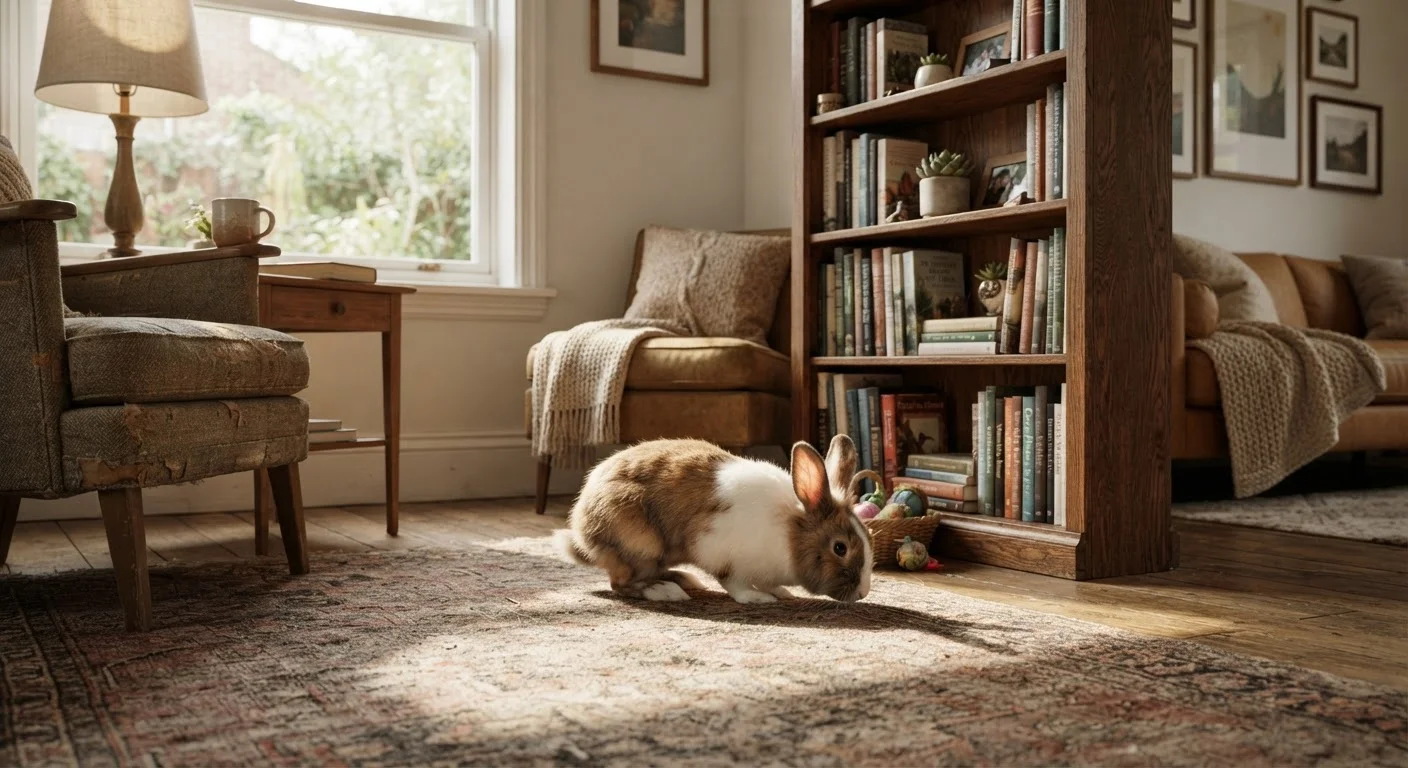
From your pet's perspective, arriving in a new home means losing every familiar scent, sound, and landmark they knew. Whether it's a puppy, kitten, adult rescue dog, or a rabbit, the experience triggers a genuine stress response. This isn't a personality flaw - it's biology.
Animals rely heavily on scent-based familiarity and predictable routines to feel safe. When both disappear at once, many pets enter a period of withdrawal, exploration, or hypervigilance. Understanding this makes it much easier to respond with patience rather than worry. For a deeper look at how these early experiences shape behavior long-term, see how early socialization shapes adult animal behavior.
Decompression period
The time a newly adopted or rehomed animal needs to adjust to their new environment before behaving naturally. It can range from days to several weeks depending on the individual animal.
Stress response
A biological reaction to an unfamiliar or threatening situation. In pets, this often shows up as hiding, reduced appetite, excessive vocalization, or unusual stillness.
Safe space
A designated, quiet area in your home where a new pet can retreat, rest, and feel secure while they adjust - usually a single room or sectioned-off corner with bedding and necessities.
Baseline health visit
An initial veterinary examination for a new pet that records weight, checks for parasites, reviews vaccination status, and identifies any health concerns before they become serious.
Scent familiarity
The way animals use smell to recognize safe environments and individuals. A new home lacks familiar scents, which is a primary source of stress for newly arrived pets.
Setting Up a Safe Space Before They Arrive
One of the most effective things you can do happens before your pet walks through the door. Designate a single, quiet room or corner as their starting zone - somewhere with bedding, water, food, and access to a bathroom spot or litter box. This limits the overwhelm of a large, unfamiliar environment.
Remove hazards from that space: dangling cords, toxic houseplants, small objects that could be swallowed, and gaps where a frightened animal might wedge themselves. Check out our pet owner's starter checklist for a full list of supplies and early setup steps to have in place before arrival day.
Bring a scent from their previous home
If possible, ask the shelter, foster home, or breeder for a small piece of bedding your pet has already slept on. Placing it in your pet's new safe space gives them one familiar scent anchor in an otherwise unfamiliar environment. This small step can noticeably reduce the intensity of the adjustment period for many animals.
Day-by-Day: What to Expect in Week One
Days 1-2: Many pets hide, stay silent, or move very little. This is normal. Resist the urge to pull them out of hiding or force cuddling. Offer food, keep the space quiet, and let them observe at their own pace.
Days 3-4: You may notice the first signs of curiosity - a head peeking around a corner, tentative sniffing, or brief eye contact. Some pets begin eating more regularly around this point.
Days 5-7: Most pets start revealing more of their true personality. Play behavior may emerge in younger animals. Some will begin seeking human interaction. Others - especially adult rescues - may still be cautious, and that's okay too.
Bathroom accidents, disrupted sleep, and vocal distress (whining, yowling) are common across all these days and typically decrease as the animal adjusts. Keep your own energy calm and consistent - pets read human body language closely, as explained in the animal behavior resources on this site.
When to Call the Vet
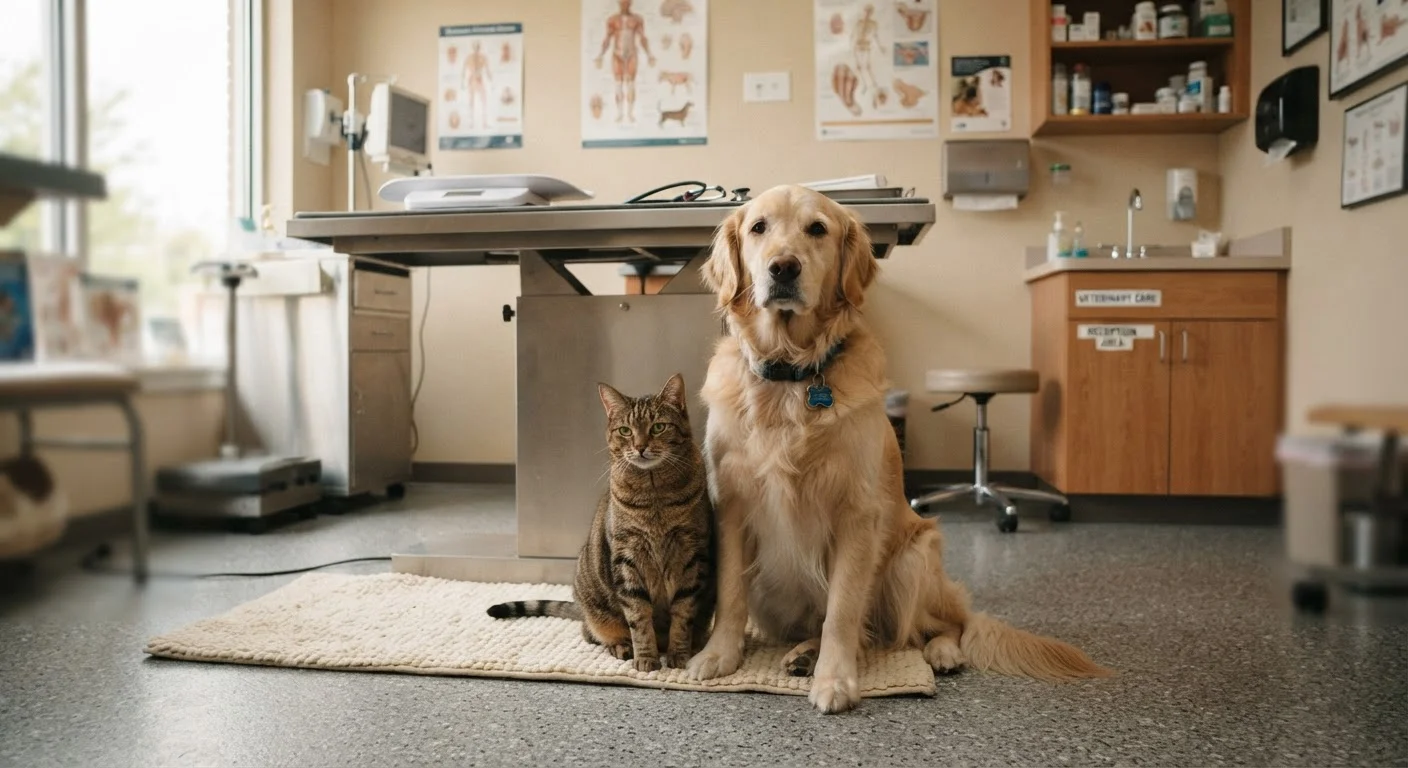
A first vet visit should happen within the first week, even if your pet appears healthy. This visit establishes a baseline weight and health record, allows for parasite screening, and ensures vaccinations are on track. Don't wait for something to look wrong.
Contact your vet sooner if you notice: complete refusal to eat or drink for more than 24-48 hours, vomiting or diarrhea that doesn't resolve in a day, obvious limping, discharge from eyes or nose, labored breathing, or extreme lethargy that doesn't improve. These may indicate an underlying condition that needs prompt attention.
This article provides general educational information about pet care and is not a substitute for professional veterinary advice. Always consult a licensed veterinarian with concerns about your individual animal's health.
Don't skip the first vet visit
Even a pet that looks perfectly healthy may have parasites, an infection, or an underlying condition not visible to the eye. Many issues - including heartworm, ringworm, and upper respiratory infections - are far easier and less expensive to treat when caught early. A new-pet checkup is one of the most important appointments you'll ever schedule.
Building Trust That Lasts Beyond Week One
The habits you establish in week one lay the groundwork for everything that follows. Consistent feeding times, calm handling, and predictable routines signal safety to your pet far more effectively than treats or toys alone. Let your pet set the pace for physical affection - forcing interaction early can set back trust by days or weeks.
If you're planning to eventually add another animal to the household, the adjustment work you do now matters enormously. A well-settled first pet is far easier to introduce to a newcomer - a process covered in detail in our guide on introducing a new animal to a multi-pet household. General pet health and wellness guidance can also help you monitor your new companion's overall wellbeing as they settle in.