
Why Small Pets Face Unique Home Risks
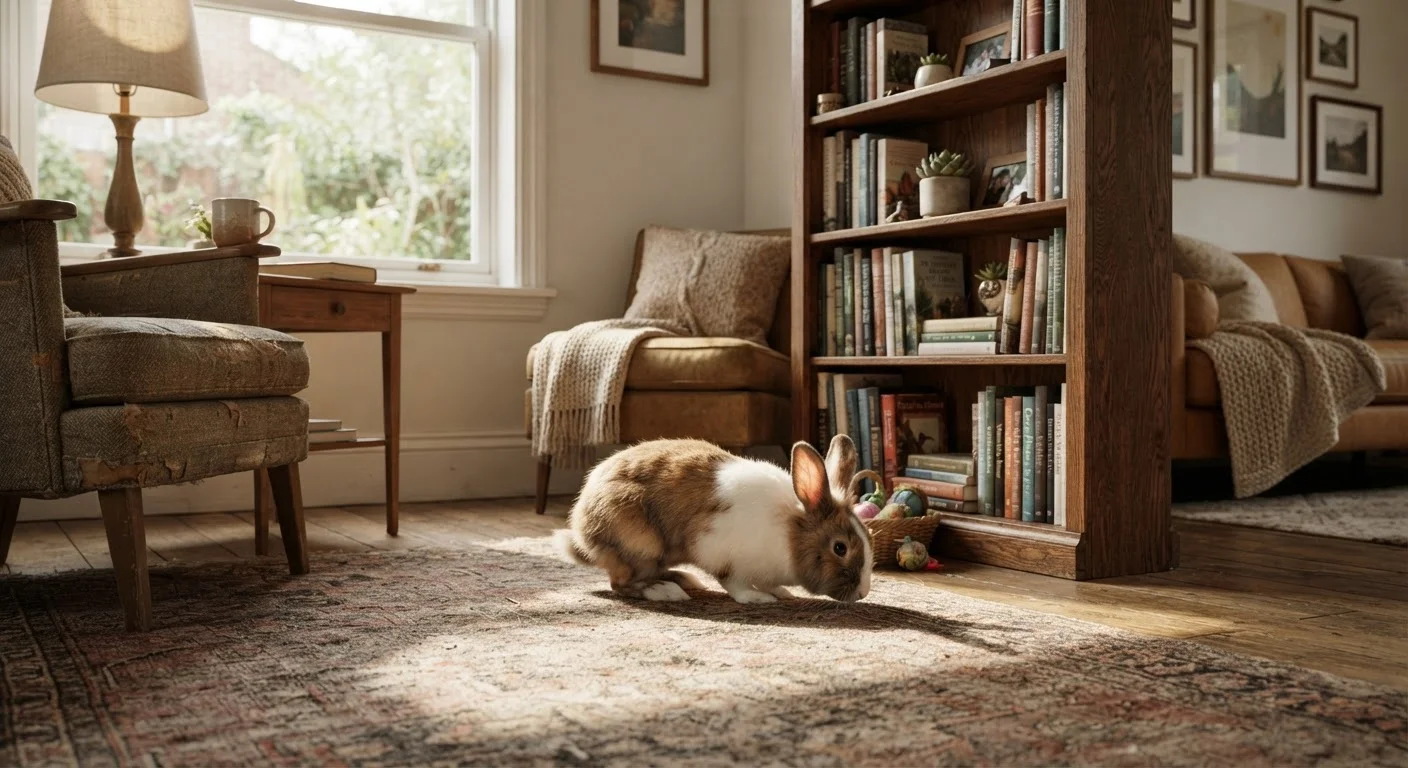
Small and curious animals - rabbits, guinea pigs, ferrets, hamsters, parrots, and similar pets - interact with their environments in ways that differ fundamentally from dogs and cats. They chew more aggressively, squeeze into tighter spaces, and are often more sensitive to airborne toxins. A home that feels safe for a Labrador can be genuinely hazardous for a bird or a ferret.
Their small body mass also means that toxic exposure at doses that might cause mild symptoms in a larger animal can be life-threatening. For this reason, general awareness isn't enough - a deliberate, room-by-room approach to home safety is the standard most veterinarians recommend. For broader context on how well-intentioned habits can still create risk, see our piece on habits that can quietly affect pet health.
Know Your Emergency Contacts Before You Need Them
Post your veterinarian's number and the ASPCA Animal Poison Control Center hotline in an accessible spot. Time is critical if a pet ingests something toxic. Do not wait for symptoms to worsen before calling - always contact a professional immediately when exposure is suspected.
The steps below are organized to help you systematically identify and fix the most common hazards. Use the tools listed here alongside the steps to make each fix durable.
Cable management sleeves or cord covers
Protect exposed electrical wires from being chewed, which can cause electrocution or fire.
Child-proof cabinet latches
Prevent curious pets from nudging open cabinets containing cleaning products or toxic substances.
Window screens or safety guards
Block open windows and balcony gaps that small animals could squeeze through or fall from.
Pet-safe cleaning products
Replace harsh chemical cleaners with formulations less likely to cause harm if a pet walks across a treated surface.
Small-gap door draft stopper
Block gaps at the base of doors that very small animals like hamsters or ferrets could slip under.
Non-toxic plant reference guide or app
Quickly verify whether a specific plant is safe for the species of pet you own.
Room-by-Room Safety Steps
Follow these steps in sequence for the most thorough coverage. It helps to complete your hazard inventory first, then move through each fix methodically.
Think Like Your Pet
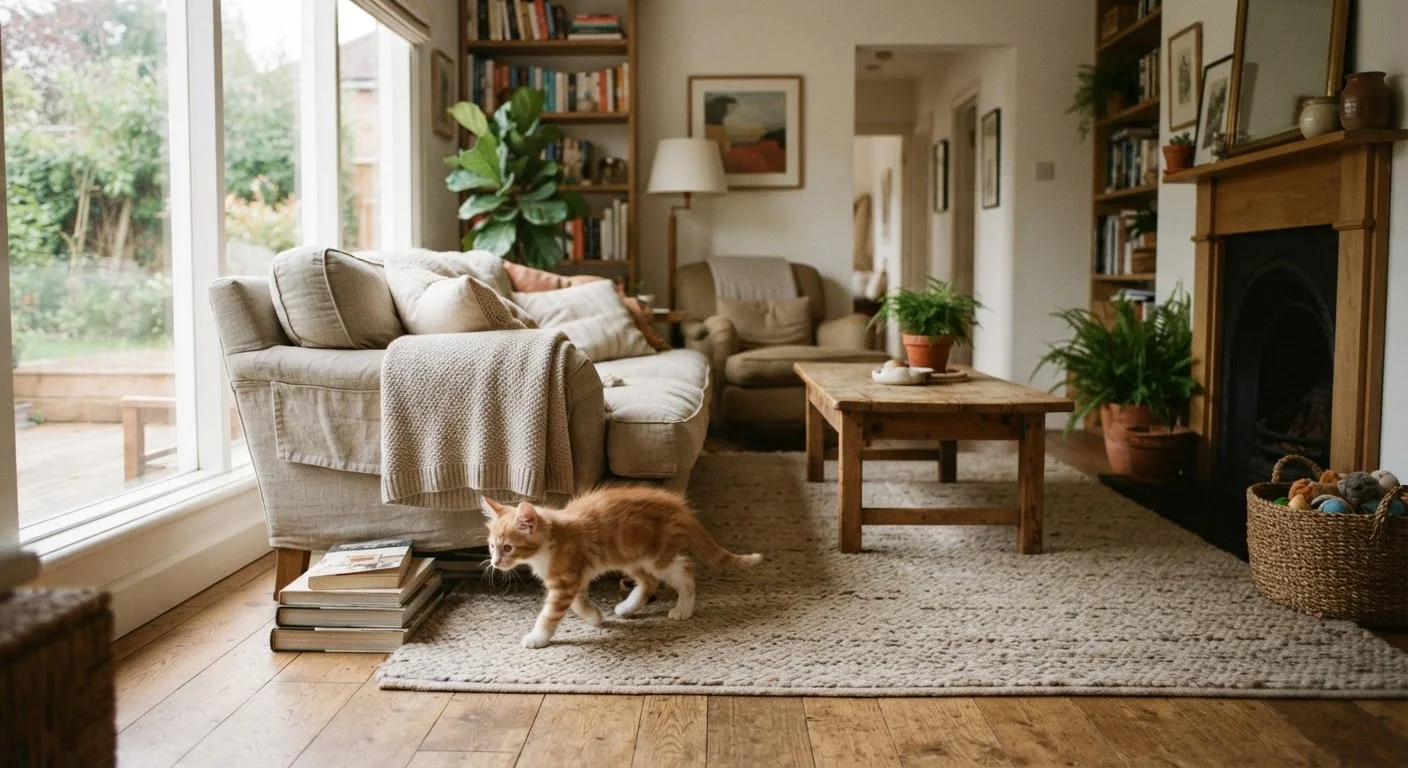
Get down to your pet's level - literally. Crouch or sit on the floor to see your space from their vantage point. Wires, gaps behind furniture, and low cabinet openings often become visible hazards that are easy to miss when standing. This low-angle inspection is one of the most effective steps you can take.
Do a room-by-room hazard inventory
Start before your pet has free-roam access. Move through each room with a notepad and look for: dangling or exposed electrical cords, open trash cans, household plants, accessible cleaning supplies, small objects that could be swallowed, and gaps in walls, baseboards, or under doors. Write down every potential hazard - you'll address them systematically in the next steps.
Secure or remove toxic plants
Many popular houseplants - including pothos, philodendron, dieffenbachia, and lilies - are toxic to a range of small animals. Cross-reference every plant in your home against a reliable, species-specific toxicity list (your veterinarian or a vetted online resource can help). Remove toxic plants entirely or relocate them to rooms your pet cannot access. Do not assume a plant is safe because it is common or decorative.
Manage electrical cords and small objects
Chewing electrical cords is a leading cause of injury in small mammals. Route cords through cable sleeves or cord covers, and tuck excess length out of reach behind furniture. Simultaneously, sweep floors and low shelves for small objects - coins, rubber bands, buttons, staples - that could be swallowed. These pose choking and intestinal obstruction risks for animals as small as a hamster or as large as a ferret.
Lock down cleaning products and medications
Move all cleaning products, pesticides, and human medications to secured, latched cabinets at height - ideally above counter level. Child-proof latches on lower cabinets are a helpful secondary measure. Many common household cleaners contain compounds that are harmful or lethal to small animals even in small quantities. This includes products that may seem mild, such as certain essential oil diffusers, which have documented risks for cats and birds in particular.
Address windows, balconies, and exterior gaps
Fit all accessible windows with secure screens rated to withstand pet pressure. Birds, ferrets, rabbits, and even guinea pigs can fit through surprisingly small openings or fall from heights when startled. Check balcony railings for gaps wide enough for your pet to pass through. For very small animals, inspect baseboards and gaps behind appliances - these spaces are surprisingly accessible and can trap a pet or allow escape.
Establish pet-free zones for high-risk areas
Some spaces are difficult to fully pet-proof: kitchens with active cooking, garages with tools and chemicals, laundry rooms with accessible machines. Use baby gates, closed doors, or pet barriers to create reliable boundaries. Consistently reinforcing these zones reduces the likelihood of a hazard encounter and simplifies your ongoing maintenance. For multi-pet households, consider how boundaries affect animal dynamics as well - see our guide on introducing animals in multi-pet homes.
Once you've completed these steps, do a follow-up walk-through after one week to confirm all fixes are holding and to catch any new hazards introduced by seasonal changes, home deliveries, or maintenance work. For guidance on what constitutes a genuinely safe indoor environment for various species, the indoor vs. outdoor pet considerations guide provides useful context.
Maintaining a Safe Environment Over Time
Pet-proofing isn't a one-time project. Pets grow, develop new behaviors, and explore new spaces as they become more comfortable in your home. Schedule a brief monthly safety check - five to ten minutes per room - to catch issues before they become emergencies. Pay particular attention after holidays, when seasonal decorations, unfamiliar foods, and gift packaging materials often enter the home.
Cooking Fumes Can Be Fatal to Birds
Polytetrafluoroethylene (PTFE), the coating on many non-stick pans, releases fumes when overheated that are acutely toxic to pet birds. Scented candles, aerosol sprays, and smoke from burnt food present similar risks. Keep birds in well-ventilated areas away from the kitchen, and consider these fume risks whenever using the oven or stove.
It's also worth periodically reviewing your knowledge of common misconceptions about pet care. Some widely-held beliefs can create hidden risks. Our editorial team has covered this in depth in common pet care myths that can quietly harm your animal. Staying informed is one of the most reliable ways to keep a small animal safe in a shared home environment.
This article is for general informational purposes only and does not constitute veterinary advice. Always consult a licensed veterinarian for concerns about your specific pet's health and safety.