

Why Timing Is Everything in Early Development
Animal behaviorists have long recognized that there is a window early in life when the brain is especially receptive to new experiences. What a young dog or cat encounters - or doesn't encounter - during this period can shape its emotional responses for years, sometimes permanently.
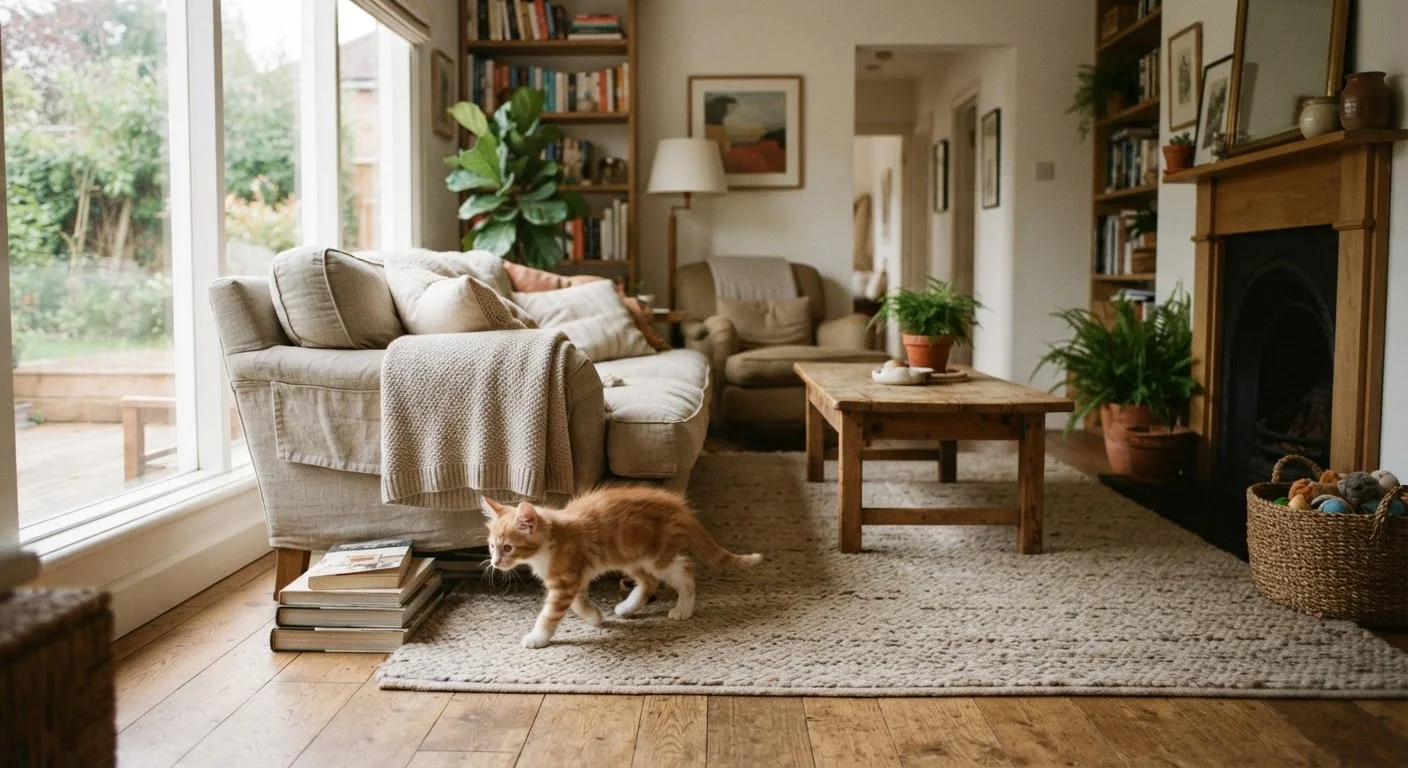
For dogs, the primary socialization window typically runs from around 3 to 14 weeks of age. For cats, it's shorter: roughly 2 to 7 weeks. During these periods, the brain is forming foundational associations. Stimuli encountered repeatedly and without harm become familiar and non-threatening. Stimuli that are entirely absent can remain frightening or destabilizing later in life.
This doesn't mean a poorly socialized animal is beyond help. But it does mean that early experiences carry disproportionate weight compared to experiences later in life. Understanding this gives pet owners and caregivers a practical reason to prioritize the first weeks carefully - and to ask questions about a young animal's history before bringing one home.
3-14 weeks
Primary socialization window for dogs
Veterinary behaviorists widely recognize this as the period of peak neuroplasticity for puppies, during which environmental experiences have the greatest lasting impact.
2-7 weeks
Primary socialization window for kittens
Feline behavioral research indicates that kittens handled by humans during this earlier, shorter window tend to be significantly more sociable with people as adults.
~40%
Of surrendered dogs show fear or anxiety-related behaviors
Behavioral issues, many rooted in inadequate early socialization, are among the most commonly cited reasons pets are relinquished to shelters, according to animal welfare research.
What Good Socialization Actually Involves
Socialization is not simply being around other animals. It's structured, graduated exposure to the full range of things an animal is likely to encounter as an adult - different people (including children and people wearing hats or uniforms), various surfaces underfoot, household sounds, car rides, other animals, and veterinary handling.
The quality of exposure matters as much as quantity. Overwhelming or frightening experiences during the socialization window can actually reinforce fear rather than reduce it. Positive, calm introductions - ideally paired with something the animal enjoys, like food or play - help build the association that new things are safe.
Play also plays a developmental role during this period. Young animals that engage in regular, varied play with littermates and humans tend to develop stronger impulse control and more flexible social skills.
Start Slow and Keep It Positive
When introducing a young pet to something new - a person, a sound, or a surface - watch for signs of stress like flattened ears, tucking away, or freezing. If the animal shows discomfort, increase the distance or reduce the intensity of the stimulus. The goal is exposure that feels manageable, not exposure that overwhelms.
The Role of Breeders, Shelters, and New Owners
Because the socialization window often closes before most pets arrive in their permanent homes, the people caring for them in those early weeks carry significant responsibility. Reputable breeders and foster caregivers who handle kittens and puppies daily, expose them to household noise, and allow safe interaction with a variety of people are giving those animals a meaningful behavioral head start.
When evaluating where to get a pet, it's reasonable to ask what socialization practices have been used during the animal's first weeks. For animals adopted from shelters, understanding their early history - even if incomplete - can help new owners anticipate and address potential sensitivities.
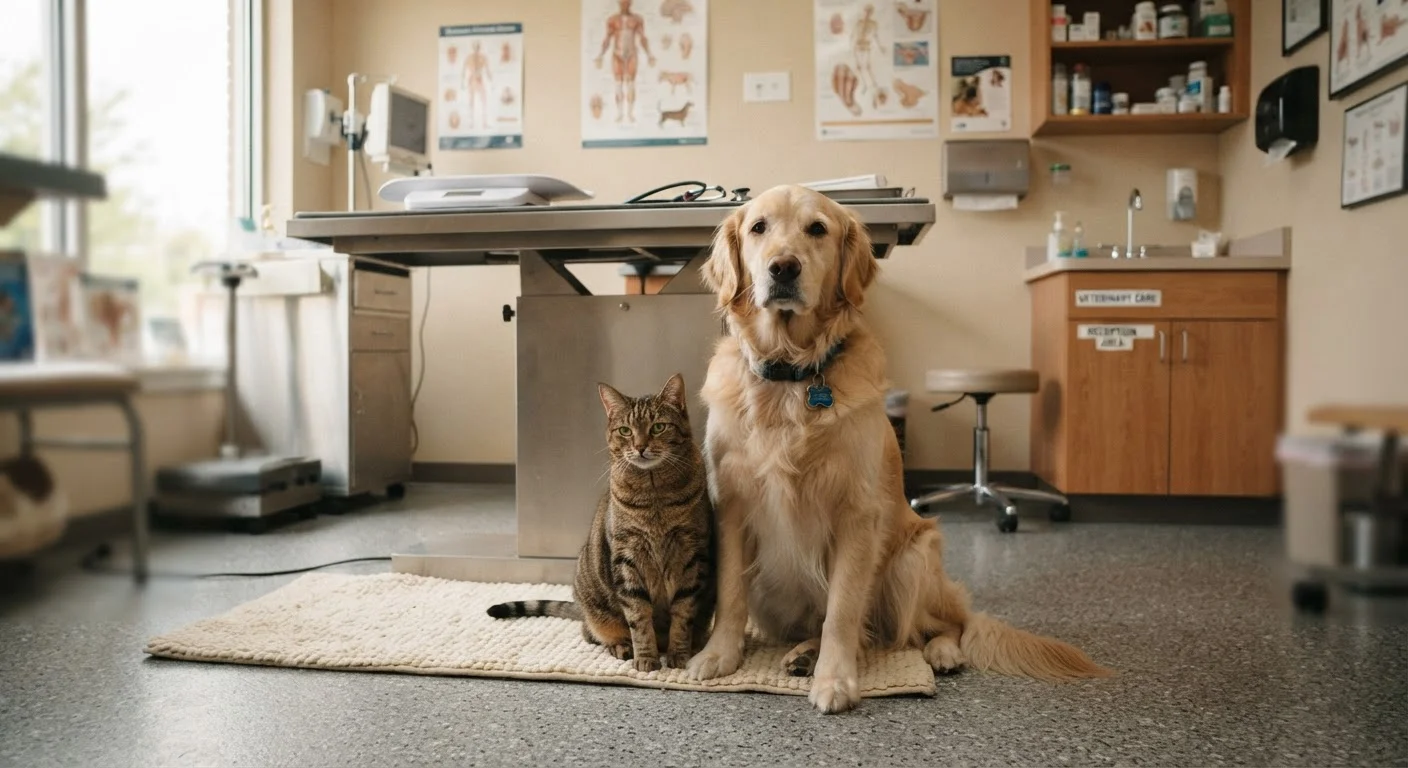
Once a pet arrives home, the work continues. The early routines and vet visits you establish in the first weeks are part of the socialization process, helping your pet learn that car rides, handling, and new environments are normal parts of life.
When the Window Has Passed: What Comes Next
Not every pet arrives with an ideal socialization history, and that's a reality many owners navigate. Adult animals showing fear-based behaviors - hiding, growling, or reacting strongly to specific triggers - can still make meaningful progress, but the process requires patience and a different approach than early socialization.
Desensitization (gradual, controlled exposure to a feared stimulus at a low enough level to avoid triggering fear) and counter-conditioning (pairing the stimulus with something the animal finds rewarding) are the most evidence-supported techniques for reshaping established fear responses. These are best implemented with guidance from a veterinarian or certified animal behavior consultant.
It's also worth recognizing that some behavioral traits have a genetic component - temperament isn't entirely a product of environment. But the research consistently shows that experience during the critical window amplifies or buffers those genetic tendencies. For a deeper look at how your pet's needs evolve across life stages, see our overview on pet wellness from puppyhood to senior years.
This article is for general informational purposes and does not constitute veterinary or behavioral advice. If your pet is showing signs of significant fear or aggression, consult a licensed veterinarian or certified animal behaviorist for personalized guidance.