
Why the Indoor vs. Outdoor Question Matters More Than You Might Think
Where a pet lives isn't just a logistical decision - it shapes nearly every aspect of their health and behavior. The risks a pet faces, the enrichment they receive, and the preventive care they need all vary depending on whether they spend their time primarily indoors, outdoors, or both. Understanding the genuine trade-offs helps owners make choices grounded in their animal's actual biology, not just convenience or habit.
This comparison focuses on the three most commonly debated animals: cats, dogs, and rabbits. The principles apply to other species too, but these three illustrate the widest range of considerations. For a broader look at pet health and wellness across species, our hub covers preventive care essentials in depth.
| Criterion | Indoor Lifestyle | Outdoor / Free-Roaming Lifestyle |
|---|---|---|
| Average lifespan (cats) | Generally longer | Generally shorter |
| Parasite exposure | Lower risk | Higher risk |
| Infectious disease risk | Significantly reduced | Elevated |
| Natural behavioral enrichment | Must be actively provided | Naturally available |
| Predator / traffic risk | Minimal | Real and significant |
| Owner enrichment effort required | High | Moderate |
| Preventive care needs | Standard schedule | More frequent updates often needed |
| Suitable for rabbits | Yes - strongly recommended | High risk even with hutch |
Health and Safety: What Each Environment Actually Exposes Your Pet To
The health case for keeping pets indoors is well-supported. Cats allowed to roam outdoors face exposure to feline leukemia virus, feline immunodeficiency virus, upper respiratory infections, intestinal parasites, and physical injuries from fights or traffic. According to veterinary research, indoor cats have a substantially longer average lifespan than their outdoor counterparts - though exact figures vary by study and location.
Dogs are somewhat more nuanced. They need regular outdoor exercise for physical and mental health, but that doesn't mean unsupervised free-roaming is the right model. A dog with a securely fenced yard and daily walks gets outdoor benefits with managed risk. Unsupervised outdoor dogs, by contrast, face exposure to wildlife, toxic plants, and accidental escape. See how preventive care needs differ between cats and dogs based on lifestyle factors.
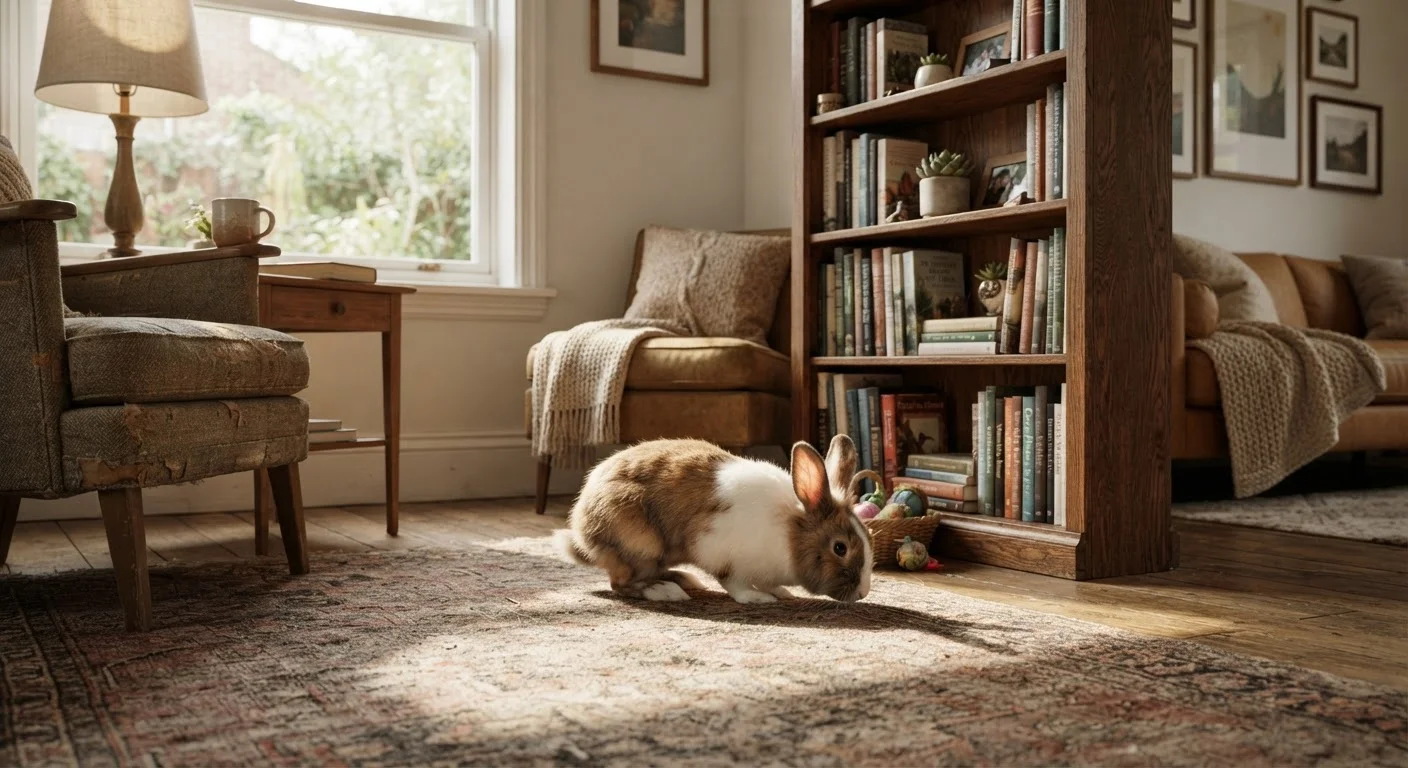
Rabbits are frequently underestimated in terms of outdoor vulnerability. Even a hutch that appears secure can expose rabbits to predator stress - a rabbit can die from cardiac shock caused by the presence of a predator nearby, even without physical contact. Temperature extremes and airborne pathogens add further risk. Most rabbit welfare organizations recommend indoor housing as the baseline. Be sure to also review how to create a safe indoor environment for small animals if you keep rabbits or other small pets indoors.
10-15 yrs
Typical indoor cat lifespan
Veterinary sources commonly cite indoor cats living 10-15 years on average, compared to significantly shorter lifespans for outdoor-only cats.
~2-5 yrs
Estimated outdoor-only cat lifespan
Estimates from animal welfare organizations suggest free-roaming outdoor cats face dramatically reduced life expectancy due to environmental hazards.
High
Rabbit predator stress mortality risk
Rabbit welfare organizations note that rabbits can die from acute stress responses triggered by nearby predators, even without direct contact.
Behavioral Needs: Enrichment, Boredom, and What Each Lifestyle Provides
Outdoor environments offer natural enrichment: novel smells, varied terrain, and opportunities for species-appropriate behavior like hunting, foraging, and exploration. Indoor environments, by contrast, require owners to actively create that stimulation. This is not optional - boredom in pets is a genuine welfare concern that can lead to destructive behavior, anxiety, and physical decline.
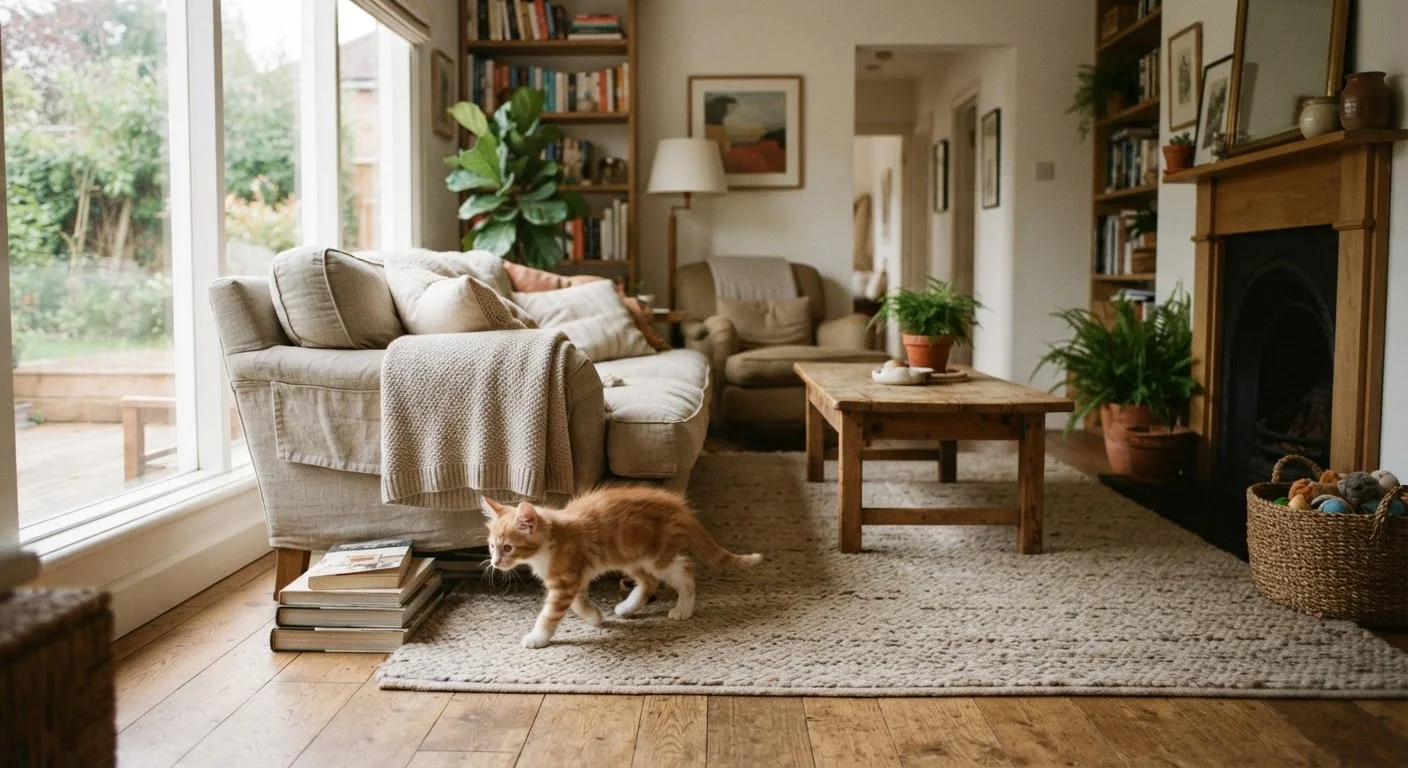
For indoor cats, this means providing vertical space, puzzle feeders, window perches, and interactive play. Mental enrichment for pets isn't a luxury - it's a core component of responsible care. For dogs, adequate exercise and social interaction remain essential regardless of whether they live indoors or have yard access.
The behavioral needs of outdoor pets also deserve attention. Dogs left outdoors for long periods without interaction can develop anxiety, excessive barking, or territorial behavior. Understanding the line between territorial instinct and aggression in dogs can help owners recognize when an outdoor lifestyle is contributing to behavioral problems.
The Hybrid Approach: Balancing Safety and Stimulation
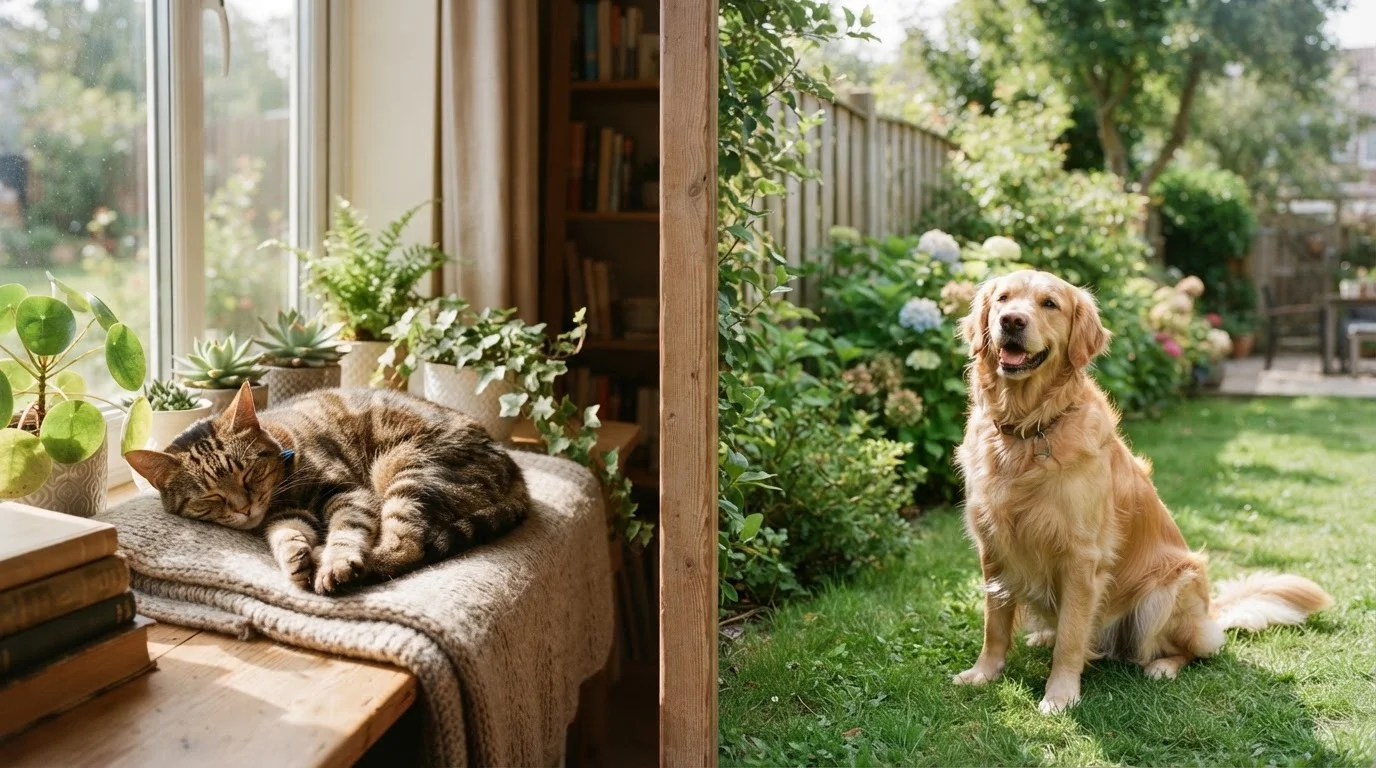
For many pets - particularly cats - a hybrid model offers a practical middle ground. Supervised outdoor time, secured enclosures (often called 'catios'), and harness training allow cats to experience outdoor environments without the risks of unsupervised free-roaming. This approach respects both the animal's curiosity and the owner's responsibility to manage risk.
For dogs, the hybrid model is already standard: an indoor home base with scheduled outdoor time for walks, play, and socialization. The key variable is supervision and containment - an unsecured yard or unsupervised access to open spaces changes the risk profile significantly.
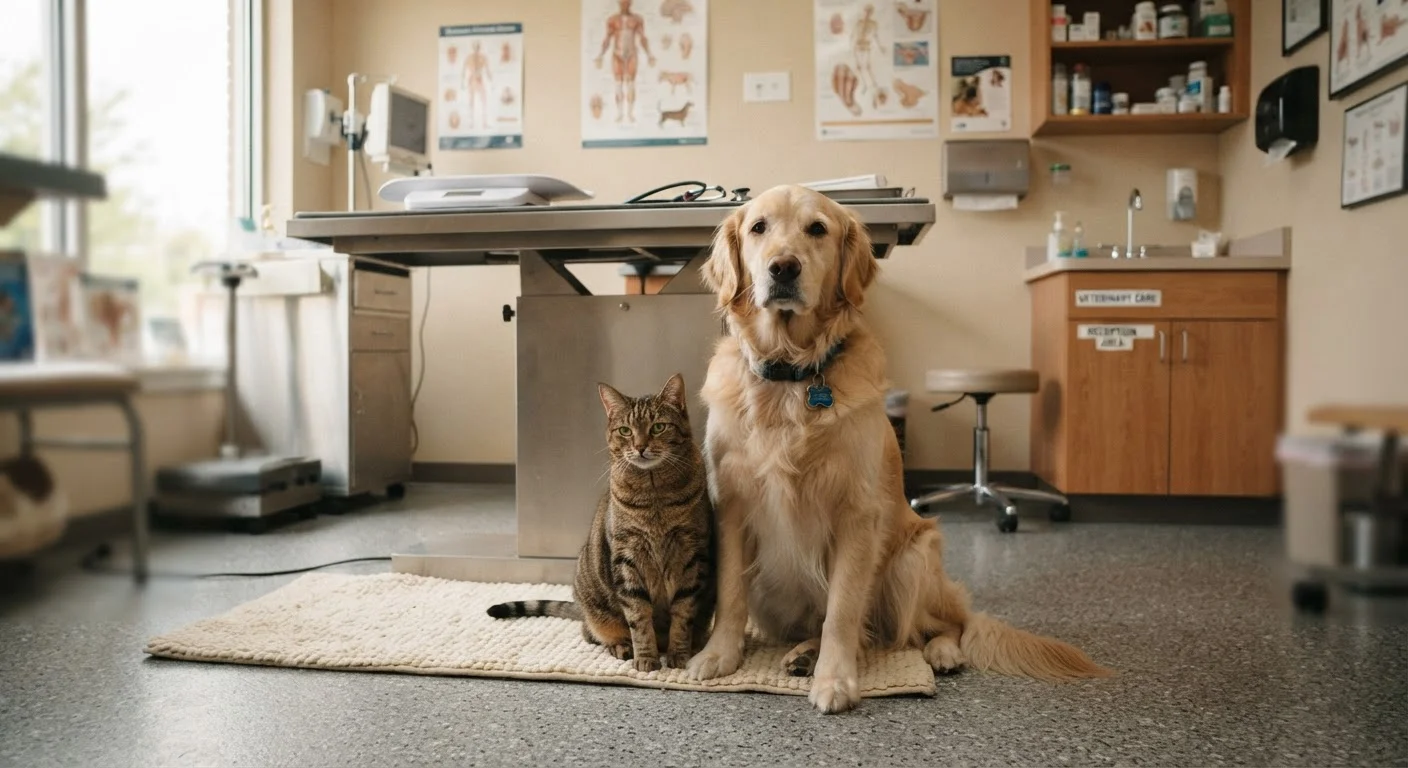
Whatever setup you choose, consistent preventive care is non-negotiable. Outdoor pets typically require more frequent parasite prevention and vaccination updates. Indoor pets are not entirely risk-free either - some common owner habits like skipping parasite prevention for indoor pets can quietly create health gaps over time. Always work with a veterinarian to align your pet's care routine with their actual living environment.
This article is for general informational purposes only and does not constitute veterinary advice. Consult a licensed veterinarian for guidance specific to your pet's species, health history, and environment.