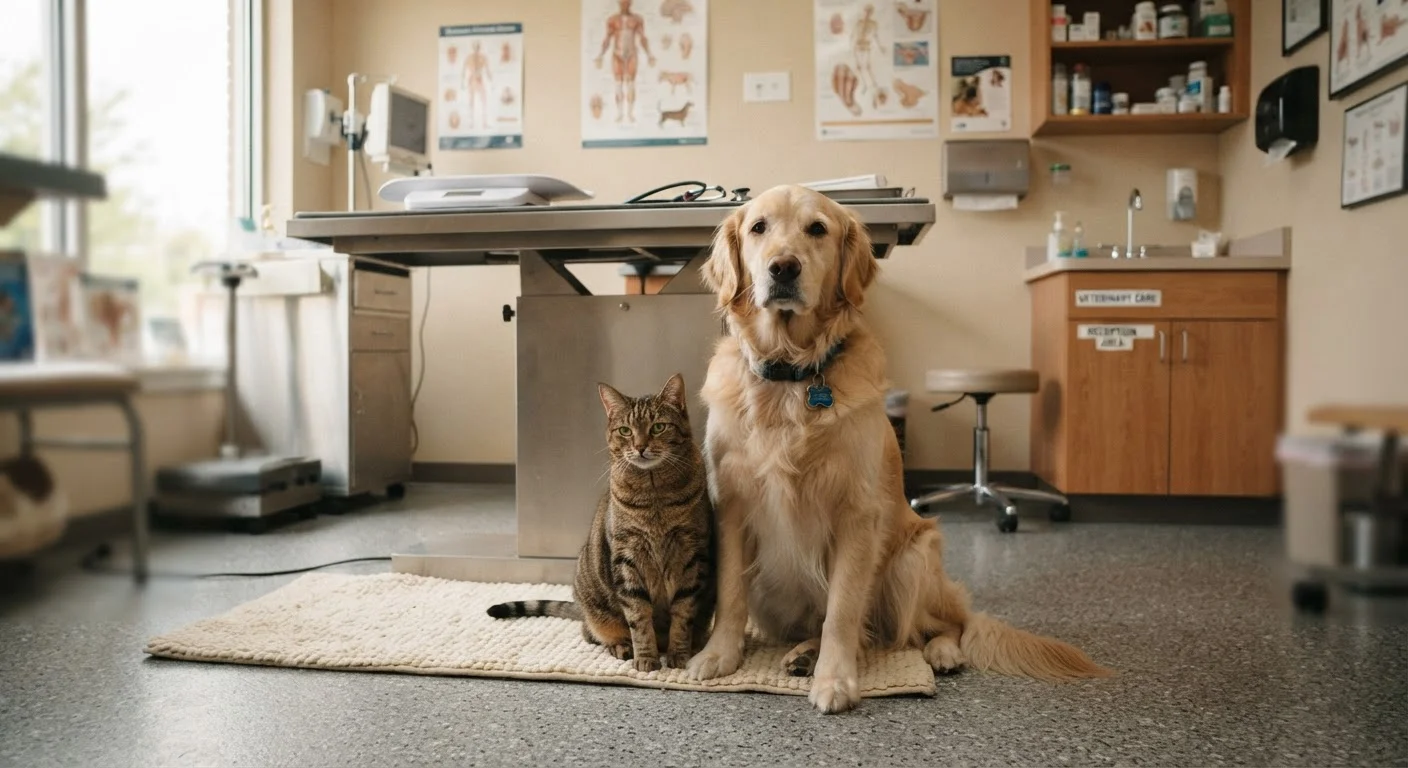

What Is Integrative Veterinary Care?
Integrative veterinary care refers to the practice of combining conventional, science-based medicine with complementary therapies - such as acupuncture, physical rehabilitation, laser therapy, herbal medicine, and chiropractic care. The goal is to address the whole patient: managing pain, supporting recovery, and improving quality of life alongside standard diagnostic and treatment approaches.
This is distinct from "alternative" medicine, which sometimes implies replacing conventional care entirely. A genuinely integrative approach keeps evidence-based veterinary medicine at the center and asks: what additional tools, if any, have sufficient support to be safely added to this patient's care plan?
As part of a broader conversation about your pet's health across life stages, integrative options are increasingly being discussed at wellness visits. See how your pet's care needs evolve for broader context on building a complete health strategy.
Where the Evidence Is Strongest
Not all integrative therapies are created equal. Some have accumulated meaningful clinical research; others remain largely anecdotal. Here's an honest breakdown of the most commonly used modalities:
Recognize acupuncture as one of the better-studied integrative therapies in veterinary medicine
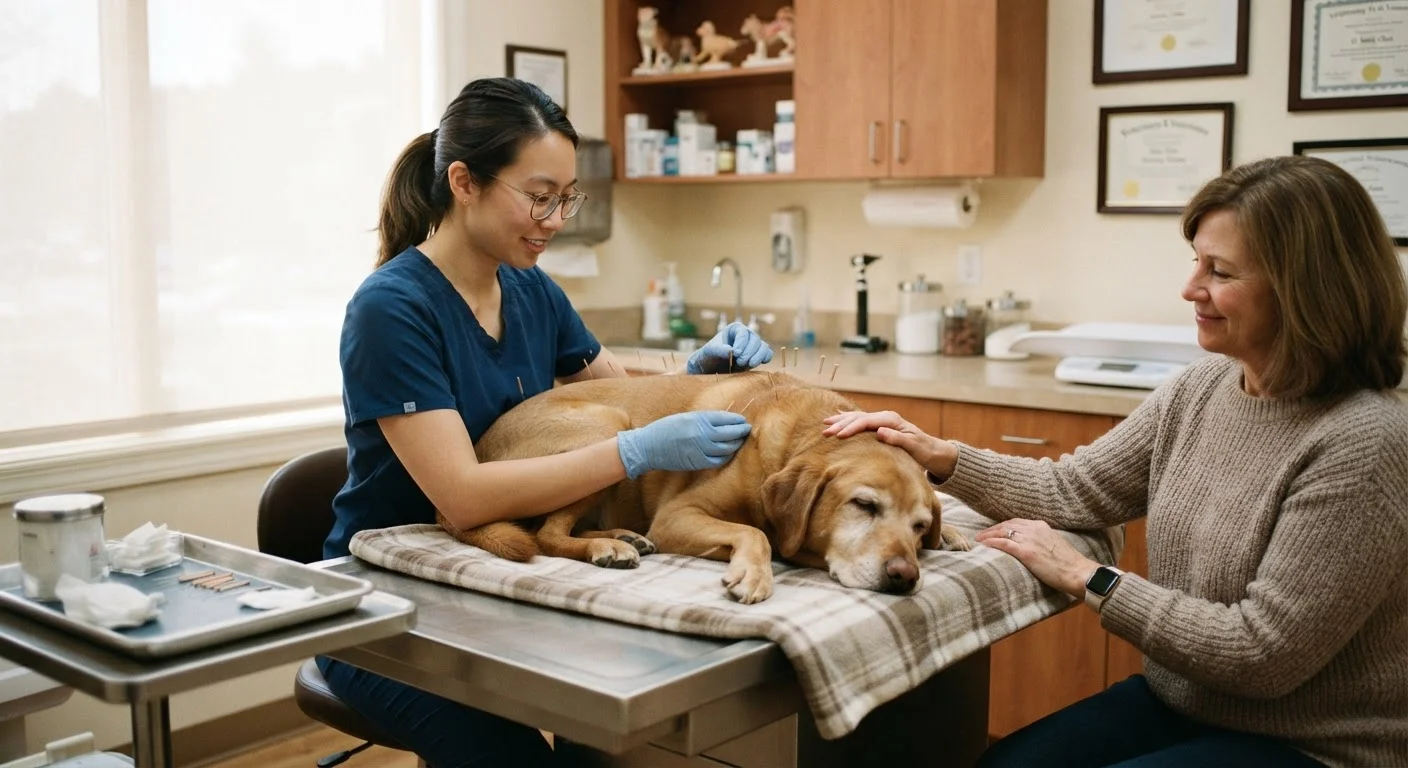
Veterinary acupuncture has been studied for pain management, particularly in dogs with osteoarthritis and intervertebral disc disease. The American Academy of Veterinary Acupuncture and the Chi Institute offer formal credentialing programs, and some academic veterinary centers now incorporate it into pain management protocols. Evidence quality varies but is stronger here than for many other modalities.
Consider veterinary rehabilitation therapy for post-surgical and mobility cases
Physical rehabilitation - including hydrotherapy, therapeutic exercises, and manual therapy - has a growing evidence base for recovery following orthopedic surgery, neurological injury, and management of chronic mobility conditions. The American College of Veterinary Sports Medicine and Rehabilitation (ACVSMR) provides board certification, meaning this specialty is formally recognized within mainstream veterinary medicine.
Approach therapeutic laser (photobiomodulation) with realistic expectations
Class IV laser therapy - also called photobiomodulation - is used to reduce inflammation and support tissue healing. Some controlled studies show modest benefits for wound healing and musculoskeletal pain, though researchers note that study designs vary and effect sizes are often small. It is generally considered safe when applied by trained practitioners using appropriate protective equipment.
Treat herbal and nutraceutical supplements with the same scrutiny as pharmaceuticals
Supplements are not regulated the same way as veterinary drugs, meaning purity, potency, and safety data are often limited. Some ingredients - including certain herbs and high-dose vitamins - can be toxic to dogs or cats or interfere with prescribed medications. Evidence for specific joint supplements like omega-3 fatty acids and some glucosamine formulations is more developed than for many others.
It's worth noting that much of the supporting research borrows from human medicine or small animal studies with limited sample sizes. Veterinary researchers continue to call for larger, controlled trials - a standard pet owners deserve to understand when weighing these options.
Where Significant Gaps Remain
Several popular integrative therapies are frequently offered but rest on thinner scientific ground in the context of veterinary patients.
~50%
Pet owners using supplements without vet guidance
Surveys of small animal veterinary practices suggest roughly half of pet owners administer supplements without discussing them with their veterinarian, according to research published in veterinary clinical journals.
< 10%
Integrative vet therapies with large controlled trials
Veterinary researchers have noted that the majority of complementary therapies used in practice have not been evaluated in large-scale, blinded, placebo-controlled animal studies, highlighting a significant evidence gap.
Herbal and nutraceutical supplements are among the most commonly purchased pet wellness products, yet many lack peer-reviewed efficacy data specifically in dogs or cats. Some may interact with conventional medications or cause organ stress at high doses - a serious concern that often goes undiscussed.
Homeopathy has not been shown to perform better than placebo in rigorous veterinary or human clinical trials. Major veterinary associations, including the British Veterinary Association, have issued formal statements reflecting this position.
This does not mean a therapy is ineffective for every individual animal - but it does mean claims should be scrutinized carefully. Our guide on common pet care myths explores how well-meaning but unsupported treatments can quietly cause harm.
“The goal of integrative medicine is not to choose between conventional and complementary care, but to evaluate all available options critically and use what the evidence supports - in the best interest of the patient.”
— American Veterinary Medical Association, Position statement on complementary and alternative veterinary medicine
How to Evaluate an Integrative Practitioner
If you're considering integrative care for your pet, the following practices help protect your animal and ensure you're working with qualified professionals.
Comprehensive preventive care remains foundational regardless of which integrative tools you explore. Ensure your pet's core health needs - vaccines, parasite control, dental care - are consistently met first. Our overview of preventive care essentials is a useful reference.
This article is for general informational and educational purposes only and is not a substitute for professional veterinary advice, diagnosis, or treatment. Always consult a licensed veterinarian before making changes to your pet's health care plan.