
What Happens Step by Step at a Wellness Visit
When you arrive, the visit typically starts with a weigh-in and a brief intake conversation where a technician asks about your pet's diet, activity level, and any concerns you've noticed. This information shapes what the vet focuses on during the exam.
The physical examination itself is systematic. Your veterinarian will work through each body system, typically in this order:
- Eyes and ears: Checked for discharge, redness, cloudiness, infection, or signs of pain.
- Mouth and teeth: Assessed for tartar buildup, gum inflammation, broken teeth, and oral masses - dental disease is among the most common conditions in dogs and cats.
- Lymph nodes and neck: Palpated for swelling, which can signal infection or immune response.
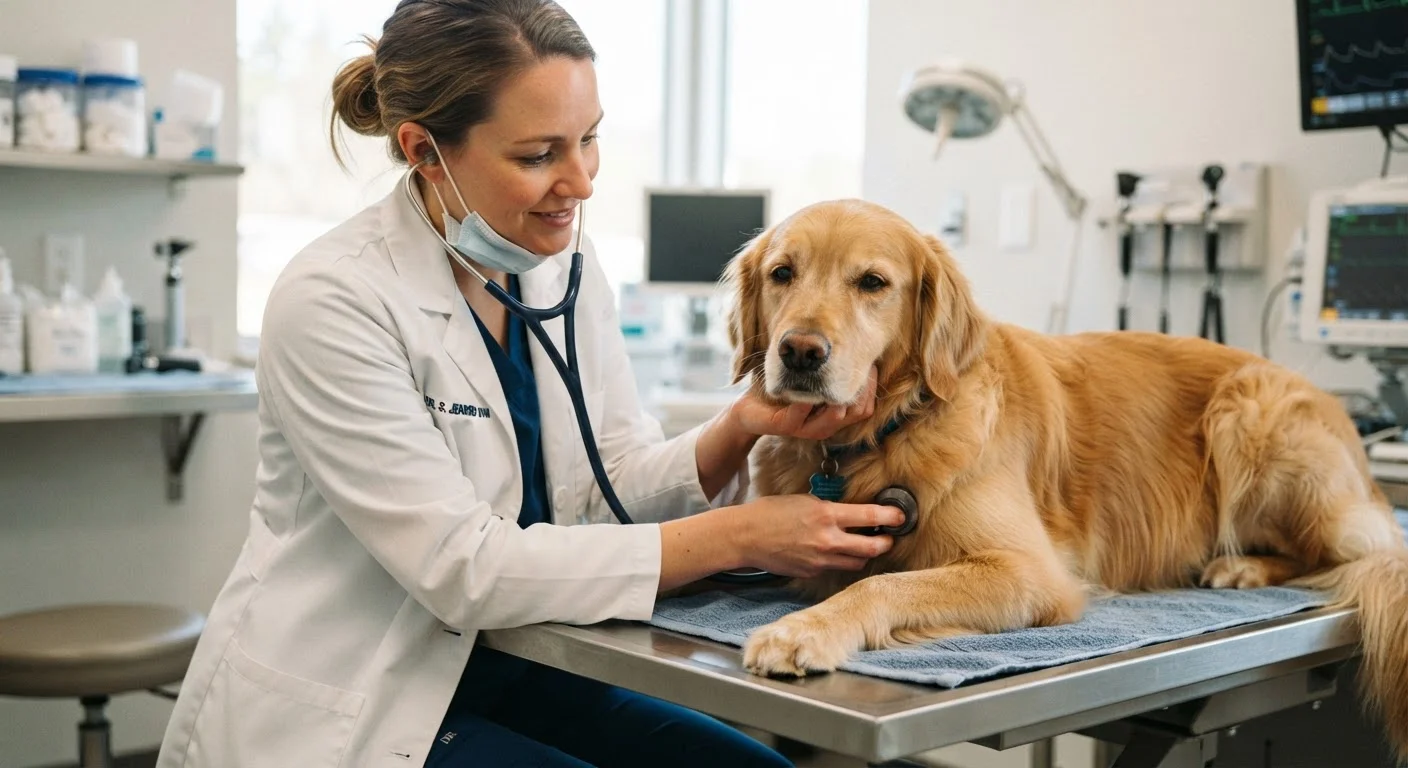
- Heart and lungs: Listened to with a stethoscope for abnormal rhythms, murmurs, or respiratory issues.
- Abdomen: Gently felt for organ size, lumps, or signs of discomfort.
- Skin and coat: Examined for parasites, rashes, hair loss, lumps, or unusual texture.
- Musculoskeletal system: Limbs and joints checked for stiffness, swelling, or pain - especially important in older pets.
The vet will also review your pet's vaccination records and discuss which boosters, if any, are due. For a broader look at preventive care options, see our overview of vaccinations, parasite control, and preventive care.
Prepare a Short List Before Your Visit
Jot down any behavioral or physical changes you've noticed in your pet over the past year - even minor ones like drinking more water or being slower on walks. These details are valuable clinical clues that can meaningfully shape what your vet investigates. A two-minute note before the visit can lead to significantly better care.
Why Routine Exams Catch What You Can't See at Home
Pets are instinctively good at masking discomfort. In the wild, showing weakness is a vulnerability, and that instinct remains strong in domestic animals. This means many health conditions - dental pain, early kidney disease, heart murmurs, developing tumors - don't produce obvious symptoms until they've progressed significantly.
A physical exam by a trained veterinarian can detect these issues at a stage when they're far more manageable. For example, a heart murmur picked up on a stethoscope may not produce any visible symptoms in your pet for months. Catching it early allows the vet to monitor progression and intervene sooner if needed.
80%
Dogs showing dental disease by age 3
According to the American Veterinary Medical Association, the majority of dogs develop some form of dental disease by age three - a condition routinely assessed during wellness exams.
2x/year
Recommended exam frequency for senior pets
Veterinary organizations generally recommend biannual wellness exams for pets over age 7, reflecting the faster rate at which age-related conditions can develop and change.
This is especially relevant as pets age. Health changes accelerate in senior animals, which is why twice-yearly exams are often recommended for dogs and cats over seven. Our article on pet wellness from puppyhood to senior years explains how care needs shift across life stages.
Between visits, you can support your vet's work by doing a monthly check at home. Our monthly pet wellness check guide gives you a practical, room-by-room approach to spotting early warning signs.
Making the Most of Every Visit
A wellness exam is a two-way conversation. The more information you can bring, the better equipped your vet is to give your pet personalized care. Before the appointment, note any changes - even small ones - in your pet's eating habits, water intake, energy level, bathroom behavior, or mood.
Don't hesitate to ask questions during the exam. Common topics worth raising include ideal body weight, dental cleaning schedules, age-appropriate diet adjustments, and whether any screening tests make sense given your pet's breed or history. Some breeds carry known predispositions to specific conditions, and your vet can flag those proactively.
For broader everyday care guidance between vet visits, the Pet Care Basics hub covers essential health and wellness topics for common household pets.
Wellness exams are also an opportunity to build a consistent relationship with your veterinarian. A vet who sees your pet annually has a meaningful baseline - what's normal for your individual animal - making it much easier to recognize when something has shifted.
This article is for general informational purposes only and is not a substitute for professional veterinary advice, diagnosis, or treatment. Always consult a licensed veterinarian for guidance specific to your pet's health.