
Why Neighborhood Research Matters as Much as the Home Itself
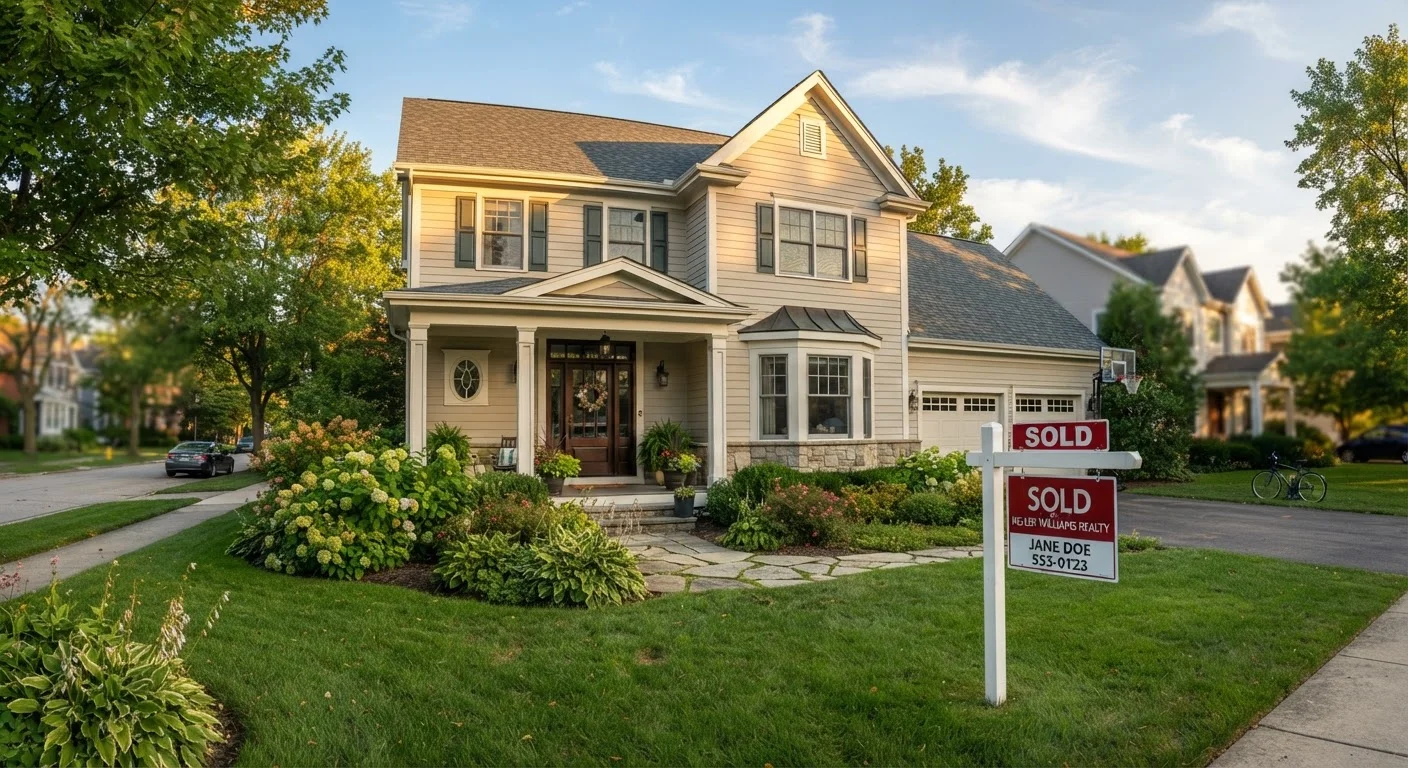
Buyers spend hours touring kitchens and measuring closets, but the neighborhood surrounding a home often has a greater influence on daily life - and long-term value - than the house itself. A well-chosen home in a declining corridor can stagnate in value; a modest property in a strengthening neighborhood can appreciate meaningfully over time.
The challenge is that neighborhood quality isn't a single metric. It's a composite of schools, infrastructure, land-use policy, safety, access to services, and the fiscal health of the local government. Understanding which signals matter - and where to find reliable data - is an essential part of the home-buying process. As noted in our guide on what drives a home's appraised value, neighborhood context is one of the factors appraisers weigh most heavily.
Below are the key factors worth investigating before committing to any address.
School District Performance and Boundaries
Even buyers without school-age children should research local school districts. District quality is consistently linked to property demand and value stability over time. Strong districts attract families, which sustains housing demand even during broader market slowdowns.
Look beyond headline ratings to enrollment trends, per-pupil funding, and whether boundaries have shifted recently. School district boundaries can change, and a home that sits within a desirable district today may not in five years. Your county or state education department typically publishes boundary maps and performance data.
School district quality shapes property demand long after children have grown up and moved on.
Walkability, Bike Infrastructure, and Transit Access
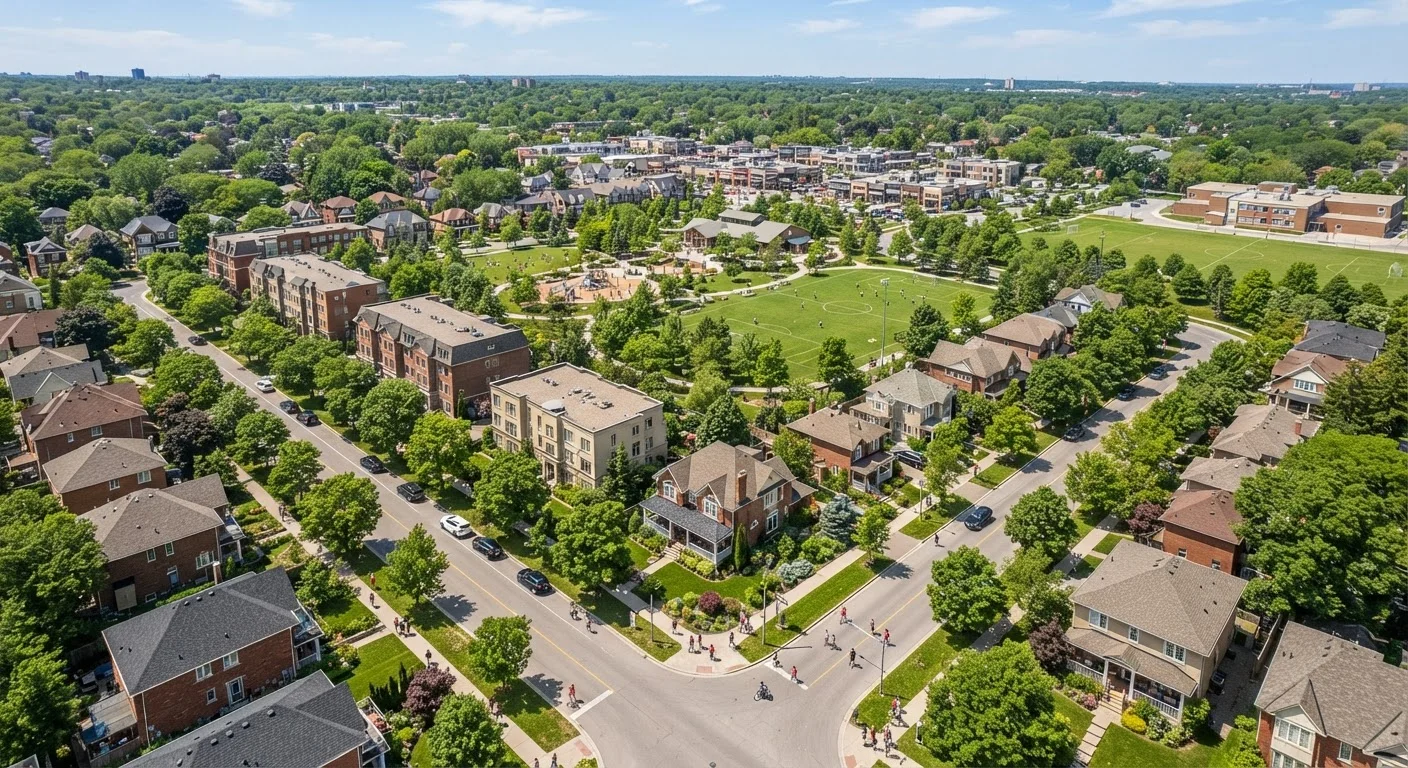
Walkability - the ability to reach daily needs on foot - has become a measurable and meaningful factor in both quality of life and market appeal. Neighborhoods with connected sidewalks, grocery access, and proximity to parks or dining tend to command consistent buyer interest across market cycles.
Transit access matters particularly in larger metro areas, where households increasingly value the option to commute without a car. Assess bus frequency, rail proximity, and whether planned transit expansions are funded or still speculative. Speculative infrastructure promises may or may not materialize on relevant timelines.
Walkable neighborhoods tend to hold buyer interest more consistently across different market conditions.
Zoning Classifications and Pending Land-Use Changes
Zoning determines what can be built - and what can change - in a neighborhood. A residential street adjacent to commercially zoned parcels may one day see a warehouse or drive-through built nearby. Conversely, areas being upzoned for mixed use can attract investment and improve walkability over time.
Review the local zoning map through the city or county planning department. Look at pending variance applications, rezoning hearings, and comprehensive plan updates. These documents reveal where local government expects growth, density, and infrastructure investment to go over the next decade.
Zoning documents are public record - reading them reveals a neighborhood's likely future, not just its present.
Infrastructure Condition and Capital Investment Plans
Roads, water systems, stormwater drainage, and broadband access are the unglamorous backbone of livable neighborhoods. Deferred infrastructure maintenance can signal broader fiscal stress and eventually affect property values and livability through flooding, service disruptions, or chronic traffic bottlenecks.
Many municipalities publish capital improvement plans (CIPs) - multi-year schedules of planned public investments. A neighborhood appearing repeatedly in a CIP for streetscape improvements, utility upgrades, or park development is generally one where government resources are being directed. A neighborhood absent from such plans may be deprioritized.
A city's capital improvement plan reveals which neighborhoods are receiving public investment - and which are not.
Crime Trends Over Time
A single crime statistic captures a moment; crime trends over multiple years tell a more useful story. Look for whether reported incidents are declining, stable, or increasing - and which categories of crime are most prevalent. Property crime and violent crime carry different implications for daily life.
Many police departments publish annual reports or interactive crime maps. Cross-reference these with neighborhood-level data where available. Be cautious about informal online sources, which can reflect perception biases as much as actual conditions. Context matters: a neighborhood showing a declining crime trend may be improving meaningfully even if current numbers appear elevated.
Crime trend direction over several years is more informative than any single year's snapshot figure.
Green Space, Tree Canopy, and Environmental Quality
Access to parks, trails, and natural areas contributes to resident wellbeing and community cohesion - both of which support stable, engaged neighborhoods over time. Tree canopy coverage also has measurable effects on summer temperatures, stormwater management, and the overall feel of streetscapes.
Environmental considerations extend to flood zone status, air quality, and proximity to industrial land uses. FEMA flood maps and EPA environmental data are publicly accessible and worth reviewing, particularly as climate-related risks become increasingly relevant to long-term ownership decisions. These factors also intersect with insurance availability and cost.
Flood zone status and environmental data are public information that every buyer should consult before closing.
Municipal Fiscal Health and Tax Trends
The financial condition of the city or county government directly affects the services that make neighborhoods function - trash collection, code enforcement, road maintenance, and parks upkeep. Municipalities under fiscal stress often cut these services first, which can gradually erode quality of life and property values.
Review publicly available municipal budget documents and bond ratings where accessible. Look at property tax trends over the past five to ten years. Consistently rising tax rates without corresponding service improvements can signal structural budget problems. A healthy local government is a quiet but foundational contributor to neighborhood stability.
Municipal fiscal health quietly underpins the services and upkeep that make neighborhoods function well over time.
Putting It All Together Before You Buy
No neighborhood scores perfectly across every dimension, and that's expected. The goal is to identify which factors align with your priorities and where meaningful red flags exist. A younger buyer prioritizing transit may weight walkability heavily; a family with school-age children may focus primarily on district performance.
Build a Research Checklist Before Touring
Before scheduling home tours, spend time gathering neighborhood data independently. Pull the local zoning map, school district boundary, FEMA flood designation, and any available capital improvement plans. This groundwork helps you ask sharper questions during the buying process and compare neighborhoods on consistent criteria - not just curb appeal.
Combining public data - school ratings, crime dashboards, municipal budgets, zoning maps - with firsthand observation gives you a far richer picture than listing photos or agent talking points alone. Spend time in the neighborhood at different times of day and week. Talk to residents when possible. Look for consistency between what data shows and what you observe on the ground.
Understanding how you'll hold title and what rights come with ownership is also worth clarifying early - our overview of property ownership structures covers how these decisions affect your long-term options. A neighborhood that suits your life today and holds its value over time is the foundation of a sound real estate decision.