

The Core Distinction: Concept vs. Document
When people say they "have the deed" to a property, they often mean they own it outright. That's understandable shorthand - but it blurs an important legal distinction that can matter enormously in a dispute or sale.
Title is an abstract legal concept. It describes a bundle of rights: the right to possess the property, to use it, to exclude others, and to transfer it. You don't hold title like you hold a piece of paper. Instead, title is a legal status recognized by the courts and public record system.
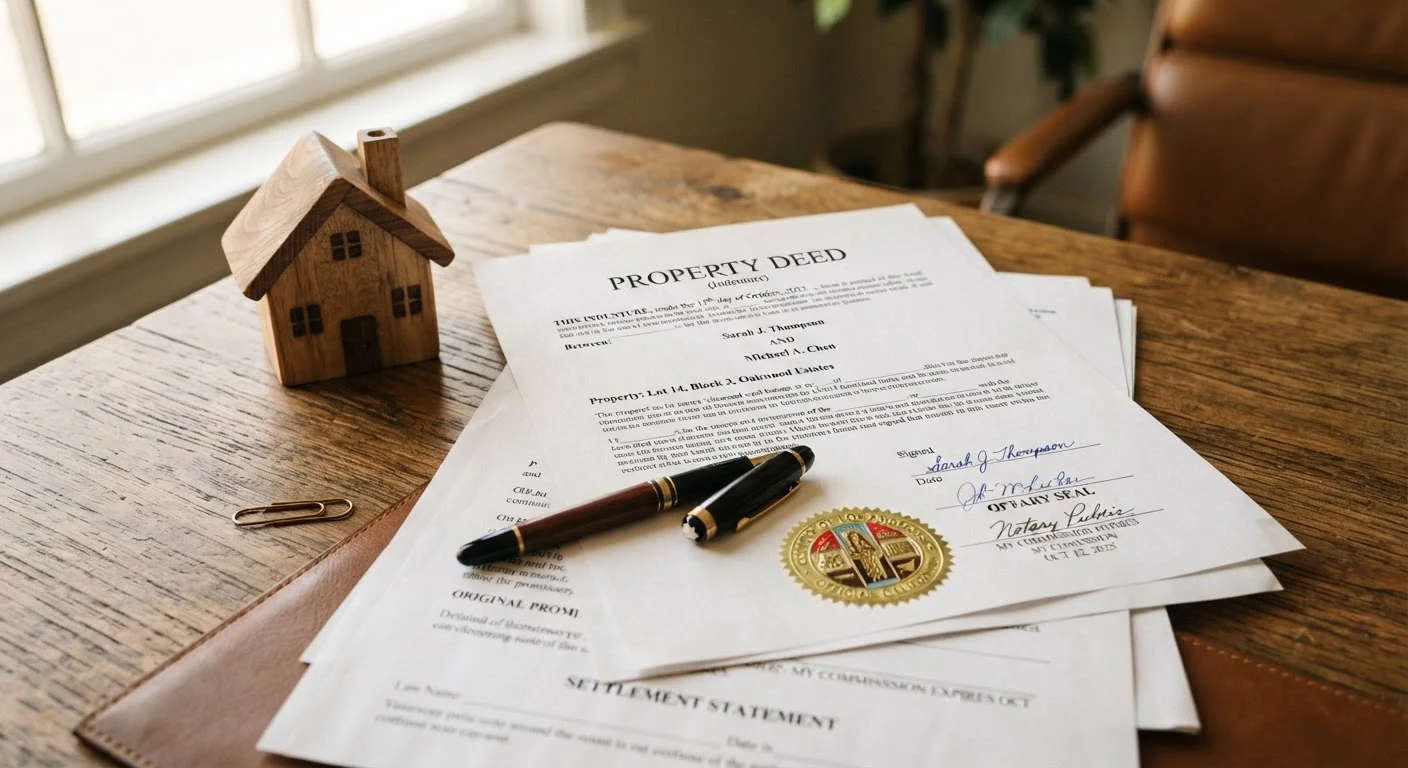
A deed, on the other hand, is a tangible, recorded document. It's the instrument that conveys title from a seller (grantor) to a buyer (grantee). When you close on a home, the seller signs a deed transferring their ownership interest to you. That deed is then recorded in the public land records, establishing your ownership in the official chain.
Think of it this way: the deed is the handshake that passes the baton; title is who currently holds the baton. For a deeper look at terms like these, see our plain-language glossary of real estate terms.
~33%
Title searches that uncover defects
The American Land Title Association has historically noted that roughly one in three title searches reveals a defect or issue requiring resolution before closing.
1 in 3
Closings with a title problem found
Industry data from title companies suggests title problems are more common than many buyers assume, though most are resolved before ownership transfers.
Why the Chain of Title Matters
Title doesn't originate with your purchase - it has a history. Every time a property changes hands, a new deed is recorded, creating what's called a chain of title: a chronological sequence of ownership transfers going back decades, sometimes centuries.
When you buy a property, a title company or attorney conducts a title search - a review of public records to verify that the current seller has the legal right to sell, and that no unresolved claims exist against the property. These claims, known as encumbrances, can include unpaid tax liens, contractor liens (called mechanic's liens), court judgments, or even boundary disputes with neighbors.
A defect anywhere in that chain - a forged signature on a decades-old deed, an heir who was never accounted for in an estate - can cloud your title and complicate your ability to sell or refinance. This is exactly why easements, liens, and encumbrances deserve careful attention before closing.
A homebuyer closes on a house and receives a warranty deed signed by the seller. Six months later, a title company discovers an unpaid contractor lien from a renovation three owners ago.
Two siblings inherit a family home as tenants in common, each holding a 50% interest. One sibling wants to sell their share; the other does not.
A buyer purchases a home using cash and declines the optional owner's title insurance policy. A year later, an undisclosed heir from a previous owner's estate files a claim on the property.
Title Insurance: Protection Against the Unexpected
Even a thorough title search can miss problems buried in historical records. That's where title insurance comes in. Unlike most insurance products that protect against future events, title insurance covers past defects that surface after you take ownership.
There are two main types: a lender's policy, which protects the mortgage lender's interest and is typically required when financing a purchase, and an owner's policy, which protects the buyer. An owner's policy is purchased once at closing and remains in effect for as long as you or your heirs hold title.
Always Request an Owner's Title Insurance Policy
When purchasing a home, ask your closing agent about obtaining an owner's title insurance policy in addition to any lender-required policy. The lender's policy protects only the lender's financial interest - not yours. An owner's policy provides coverage for the full purchase price and protects you against historical defects that may not appear until after closing.
Title insurance claims are relatively uncommon, but when defects do emerge - an overlooked lien, a disputed boundary, a clerical error in a prior deed - the financial consequences can be significant. The one-time premium is generally considered reasonable protection against those risks.
How You Hold Title Has Real Legal Consequences
Title isn't just about who owns the property - it's also about how ownership is structured. The way title is vested determines what happens if an owner dies, divorces, or wants to sell their share.
Common ownership structures include:
- Sole ownership: One individual holds all rights. Simple, but offers no automatic transfer mechanism at death without a will or trust.
- Joint tenancy with right of survivorship: Two or more owners hold equal shares. If one owner dies, their share passes automatically to the surviving owner(s), bypassing probate.
- Tenants in common: Each co-owner holds a defined percentage, which can be unequal. Each share can be sold or willed independently.
- Title held in trust: A revocable living trust holds title, often used for estate planning and probate avoidance.
Choosing the right vesting structure is a legal decision with long-term consequences. For a detailed breakdown, see our guide to property ownership structures. Consulting a real estate attorney before deciding how to take title is generally advisable, especially for significant purchases or complex family situations.
Understanding these distinctions is part of responsible ownership. For a broader foundation, the comprehensive guide to property ownership covers how rights, taxes, and title fit together over time.
Title Vesting and Marital Property Laws Vary by State
How title is held - and the legal implications of each structure - can differ significantly depending on the state where the property is located. Community property states, for instance, treat marital property differently than common law states. Always consult a licensed real estate attorney in your state before deciding how to vest title, particularly in cases involving marriage, divorce, or estate planning.