
Why a Careful Lease Review Matters
A residential lease is a legally binding contract that governs where you live, how much you pay, and what you're responsible for - often for a year or more. Unlike many everyday agreements, lease terms are negotiable before signing but largely fixed afterward. Yet many renters sign after only a cursory glance, discovering problematic clauses only when a dispute arises.
If you're new to renting, see our complete first-rental guide for a broader look at what the renting process involves. For those evaluating whether to rent or buy, the homebuying hub covers what ownership entails by comparison.
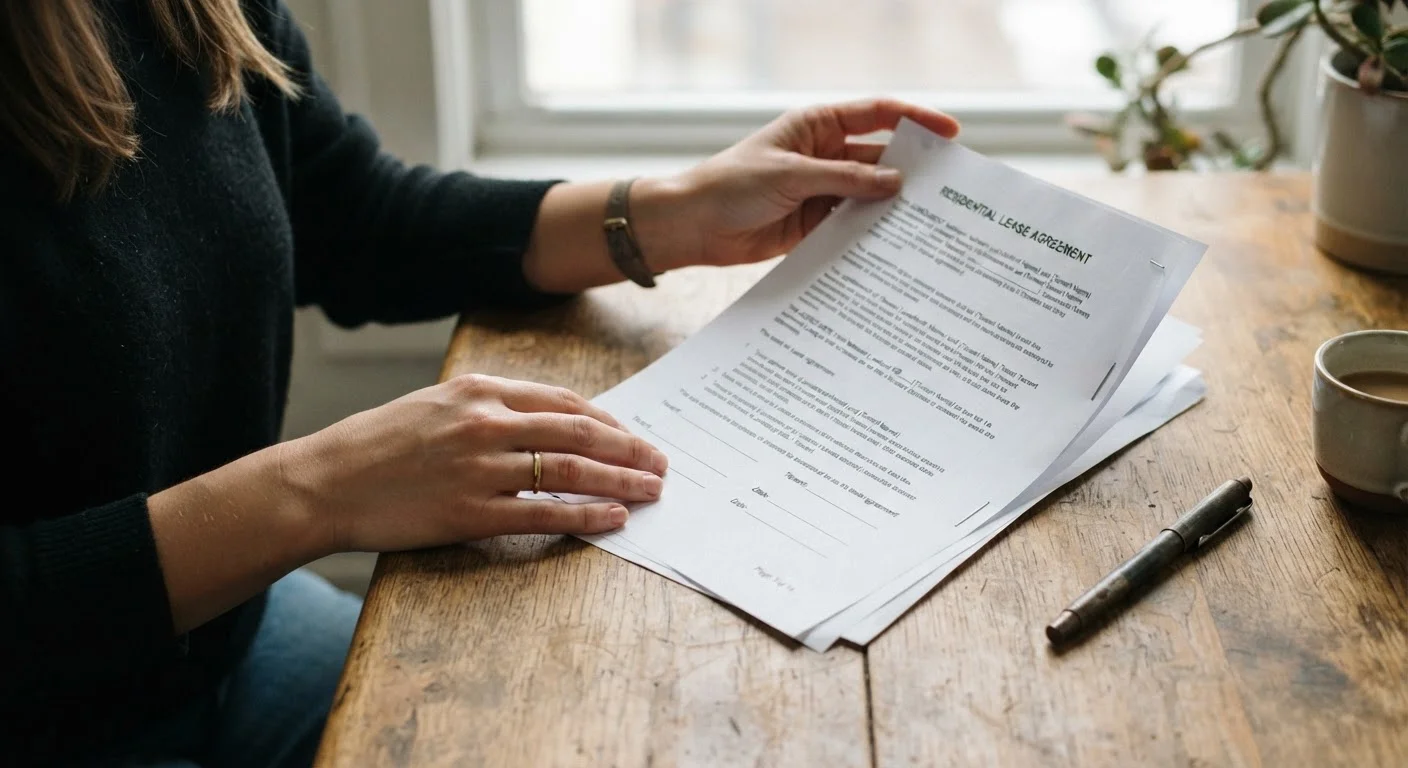
This walkthrough treats the lease like a physical space - moving through it section by section so nothing gets overlooked. Gather your tools below before you begin.
What you will need
Full Lease Document (including addenda)
The complete agreement you will be reviewing clause by clause - must include all attached pages.
Highlighter or annotation tool
Mark unclear, unusual, or potentially problematic clauses for follow-up discussion.
State tenant rights summary
Many state attorneys general publish free renter guides that explain what landlords can and cannot include in a lease.
Housing counselor or tenant attorney
A professional can review flagged clauses and advise on whether terms are enforceable under local law.
What to Do After Your Review
Once you've worked through every section and had your questions answered, you're in a much stronger position to sign with confidence - or to decide the terms aren't acceptable. Keep a signed copy of the lease (and any written addenda) in a safe place for the entire duration of your tenancy. You may need it to resolve disputes about repairs, deposit returns, or notice requirements.
For a deeper look at the legal language you'll encounter, our lease terminology glossary defines common terms like quiet enjoyment, holdover tenant, and indemnification. And for a comprehensive resource covering the full arc of renting - from disputes to moving out - visit The Renter's Complete Handbook.
Document the Unit's Condition at Move-In
Before your first night in the unit, photograph or video every room and note any pre-existing damage in writing - ideally on a move-in checklist signed by both you and the landlord. This documentation is your strongest defense against unfair security deposit deductions when you eventually move out.