
What Habitability Actually Covers
The term "habitability" gets used loosely, but in a legal context it refers to a defined set of minimum conditions that make a home safe and livable. While exact standards are set by state and sometimes local law, courts and statutes consistently point to the same core categories.
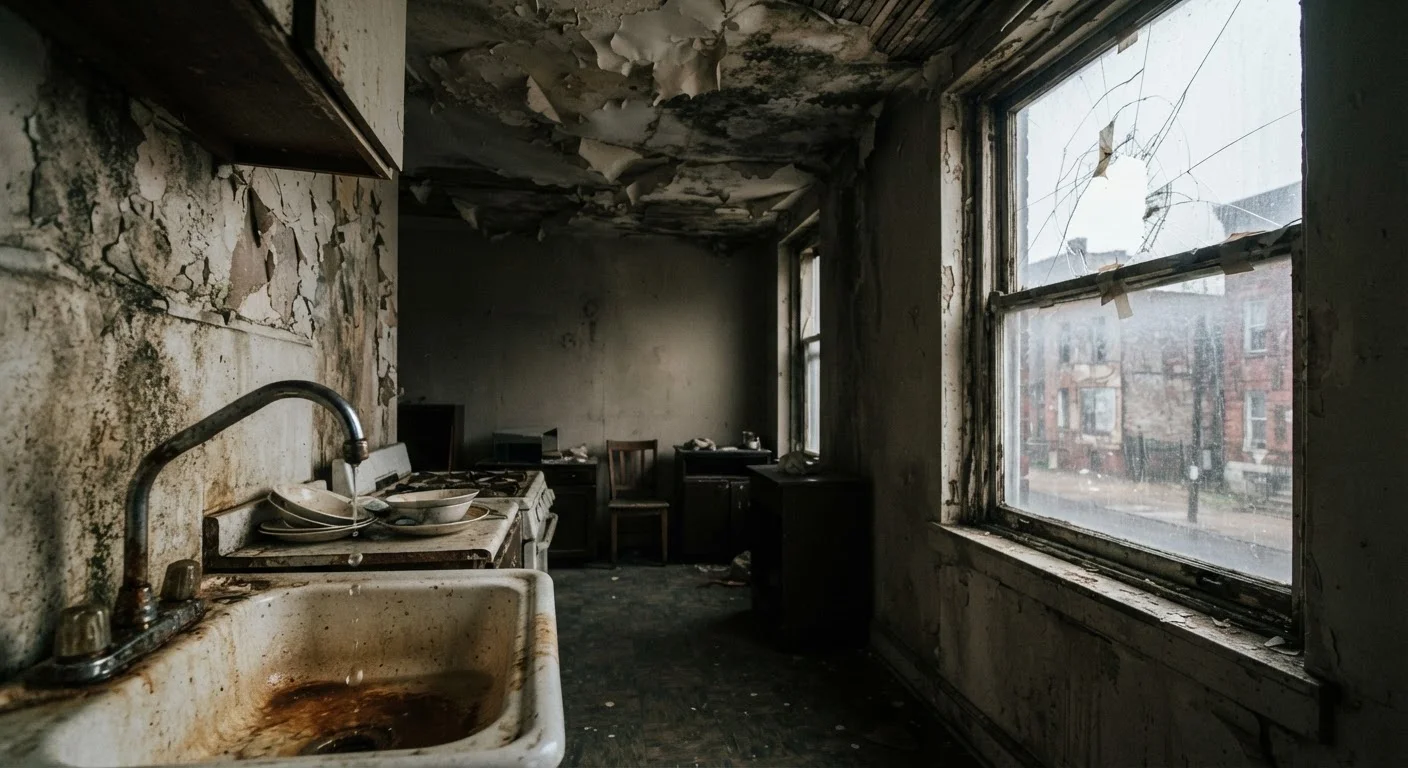
Structural integrity: Walls, floors, ceilings, and roofs must be sound enough to protect occupants from the elements. A leaking roof that soaks the bedroom or a floor with structural rot are habitability issues.
Weather protection: Windows and doors must close and lock properly. In cold climates, functioning heat is almost universally treated as a non-negotiable habitability requirement.
Plumbing and water: A unit must have working plumbing, access to hot and cold running water, and functional toilets. Extended outages - even temporary ones - can constitute a violation.
Electrical safety: Wiring must be safe, outlets must function, and the unit must have working smoke detectors and, in many jurisdictions, carbon monoxide detectors.
Freedom from infestations: Rodent or insect infestations that the landlord knew about - or should have known about - typically fall under the landlord's habitability duty, not the tenant's.
Sanitation: Garbage disposal access, sewage systems that work, and common areas maintained in a hygienic condition are all generally required.
Local Standards Can Raise the Bar
State law sets the minimum habitability floor, but many cities and counties have adopted additional housing codes that are more protective. A condition that barely passes muster under state law may still violate a local ordinance. Check your city or county's housing department website or contact a local tenant rights organization to understand the full picture for your area.
What Habitability Does Not Cover
Habitability law sets a floor, not a ceiling. Conditions that are inconvenient, outdated, or aesthetically unpleasant rarely rise to a legal habitability violation. Understanding this boundary helps renters direct their energy appropriately.
Cosmetic issues - scuffed paint, worn carpet, dated fixtures, or a slow-draining sink - are generally not habitability concerns. Neither is an older but functioning HVAC system, appliances not included in the lease, or common area amenities like a gym or pool that become temporarily unavailable.
Similarly, damage caused by the tenant's own actions is typically the tenant's responsibility to remedy, not the landlord's habitability obligation. If a tenant's behavior created the mold, broke the window, or attracted pests, the legal calculus shifts significantly.
For a broader look at what your lease does and doesn't require of both parties, the guide to lease agreement terms every renter should understand offers useful context on how these obligations are typically written into standard agreements.
Always Request Repairs in Writing
Verbal requests are hard to prove and easy to dispute. Even if you speak with your landlord in person, follow up with an email or letter summarizing what was discussed and what repair was requested. This creates a timestamped record that becomes critical if the situation escalates to housing court or a security deposit dispute.
When a Landlord Is Legally Obligated to Act - and How Quickly
A landlord's legal obligation to repair is generally triggered when they have notice of the problem. That's why putting repair requests in writing matters: it establishes both the date and the substance of the notification.
Once notified, the landlord must respond within a reasonable time - a standard courts interpret based on the severity of the issue. Most states define this more precisely in statute:
- Emergency conditions (no heat in winter, gas leaks, sewage backup): typically 24-72 hours
- Significant non-emergency issues (broken water heater, pest infestation): often 7-14 days
- Routine repairs affecting habitability: commonly 14-30 days depending on the state
If a landlord fails to act within the applicable window, most states offer tenants one or more legal remedies: repair-and-deduct (hiring a contractor and deducting the cost from rent), rent withholding held in escrow, lease termination, or a claim in housing court. The available options depend entirely on state law.
You can find a fuller picture of these protections in the tenant rights most renters don't know they have. And if you're navigating a broader dispute - or considering leaving early - The Renter's Complete Handbook covers the full range of tools available to tenants.
~50
States with codified habitability statutes
All 50 U.S. states recognize some form of landlord duty to maintain habitable conditions, either through statute or established case law.
30-50%
Renters unaware of repair-and-deduct rights
Surveys by tenant advocacy organizations consistently find that a substantial share of renters do not know they may have the right to repair and deduct under certain state laws.
~35%
U.S. households that rent
According to U.S. Census Bureau data, roughly one in three American households rents rather than owns, making habitability protections one of the most broadly applicable areas of tenant law.
How to Protect Yourself If Standards Aren't Met
The most important thing a tenant can do when facing a potential habitability issue is to act methodically. Courts and housing authorities respond to documentation, not frustration.
Step 1 - Document: Photograph or video the problem, noting the date. Write a brief description of what you observed and when it started.
Step 2 - Notify in writing: Send a written repair request by email or certified mail, describing the issue specifically and requesting a repair timeline. Keep copies.
Step 3 - Allow reasonable time: Give the landlord the notice period required by your state law before escalating.
Step 4 - Escalate appropriately: If the landlord fails to act, contact your local housing authority, a tenant rights organization, or a legal aid office before taking unilateral action like withholding rent. Taking the wrong step without legal guidance can backfire.
It's also worth reviewing your lease carefully - not to look for excuses to avoid obligations, but to understand exactly what responsibilities each party assumed at signing. Our look at renting myths that keep tenants from protecting themselves addresses several common misunderstandings that can cause tenants to accept conditions they're not legally required to tolerate.
A tenant in Minnesota notices the furnace stops working in January. Indoor temperatures drop below 50°F within two days.
An apartment in Texas develops visible black mold on bathroom walls after a roof leak the landlord was told about three months earlier but never repaired.
A renter complains that the kitchen cabinets are visibly dated and the carpet is stained from before they moved in.
A tenant discovers a rodent infestation two months into a lease. The landlord claims the tenant must have caused it.