
What Makes a Protein 'Complete'?
Protein is made of amino acids, and nine of them are classified as essential - meaning the body cannot produce them and must obtain them through food. A protein source that contains all nine in adequate amounts is called a complete protein.
Animal proteins - including meat, poultry, fish, eggs, and dairy - are complete proteins. Most plant proteins, with notable exceptions like soy and quinoa, are incomplete, meaning they are low in one or more essential amino acids. This does not make plant proteins inferior; it simply means variety matters. Eating a range of legumes, grains, nuts, and vegetables across the day provides all essential amino acids without requiring any single meal to check every box.
For a deeper look at how food composition affects overall diet quality, see our guide on whole foods vs. processed foods.
| Criterion | Plant-Based Protein | Animal Protein |
|---|---|---|
| Amino acid completeness | Usually incomplete (soy and quinoa are exceptions) | Complete - all 9 essential amino acids |
| Digestibility (DIAAS score) | Generally lower; improved by cooking/soaking | Generally higher; more efficiently absorbed |
| Dietary fiber | High - a key advantage | None |
| Vitamin B12 | Absent; supplementation needed | Naturally present |
| Saturated fat | Usually low (varies by source) | Varies widely by type and cut |
| Iron type | Non-heme iron (lower absorption rate) | Heme iron (more readily absorbed) |
| Phytonutrients & antioxidants | Abundant | Minimal |
Bioavailability and Digestibility: Why They Matter
Consuming protein is only part of the picture - what the body can actually absorb and use is another question entirely. Scientists measure this using a metric called the DIAAS, which accounts for how well the body digests and utilizes amino acids from a given food.
Animal proteins generally score higher on digestibility. Eggs, dairy, and meat are digested efficiently, meaning a relatively small serving delivers a high proportion of usable protein. Many plant proteins score lower - not because the protein isn't there, but because antinutrients like phytates and tannins can partially interfere with digestion. Cooking, soaking, and fermenting plant foods can reduce these compounds meaningfully.
~1.0
DIAAS score for whole egg protein
A DIAAS of 1.0 or above indicates a high-quality, highly digestible protein; eggs are among the highest-scoring foods by this measure.
0.5-0.7
Typical DIAAS range for many plant proteins
Legumes and grains often score in this range before accounting for preparation methods like soaking or fermentation, which can improve scores.
~30g
Daily fiber gap for average U.S. adult
The Dietary Guidelines for Americans identify fiber as a nutrient of public health concern, with most adults falling well short of recommended intake.
That said, bioavailability differences are most significant when total protein intake is low. People eating adequate overall protein from diverse plant sources typically meet their needs without concern.
Nutritional Trade-Offs Beyond Protein
Protein rarely travels alone. Animal products bring vitamin B12, heme iron (the form most readily absorbed), zinc, and omega-3 fatty acids (particularly in fatty fish). These nutrients are harder to obtain in meaningful amounts from plant foods alone, which is why people avoiding animal products are often advised to pay close attention to supplementation - particularly for B12. Always consult a healthcare provider before adding any supplement to your routine.
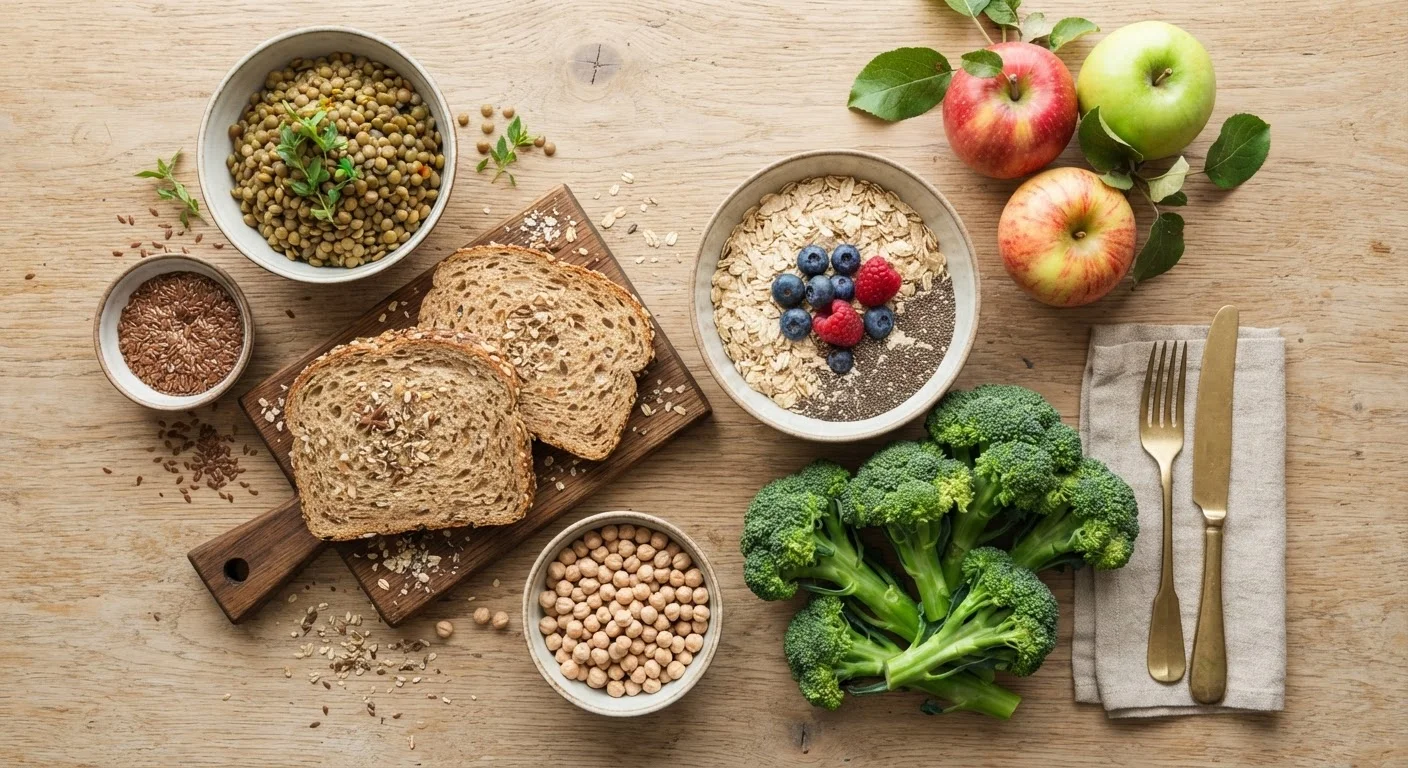
Plant proteins, on the other hand, arrive alongside dietary fiber, antioxidants, and phytonutrients - compounds with no equivalent in animal foods. High-fiber diets are associated with improved gut health, sustained satiety, and lower risk of certain chronic conditions, according to established nutrition research. This is a genuine advantage that animal proteins cannot replicate on their own.
Saturated fat is often cited as a concern with animal proteins, but this varies enormously. Fatty red meat differs markedly from low-fat fish or egg whites. Similarly, coconut-based plant products can be high in saturated fat. Thinking within food groups - not just between them - matters.
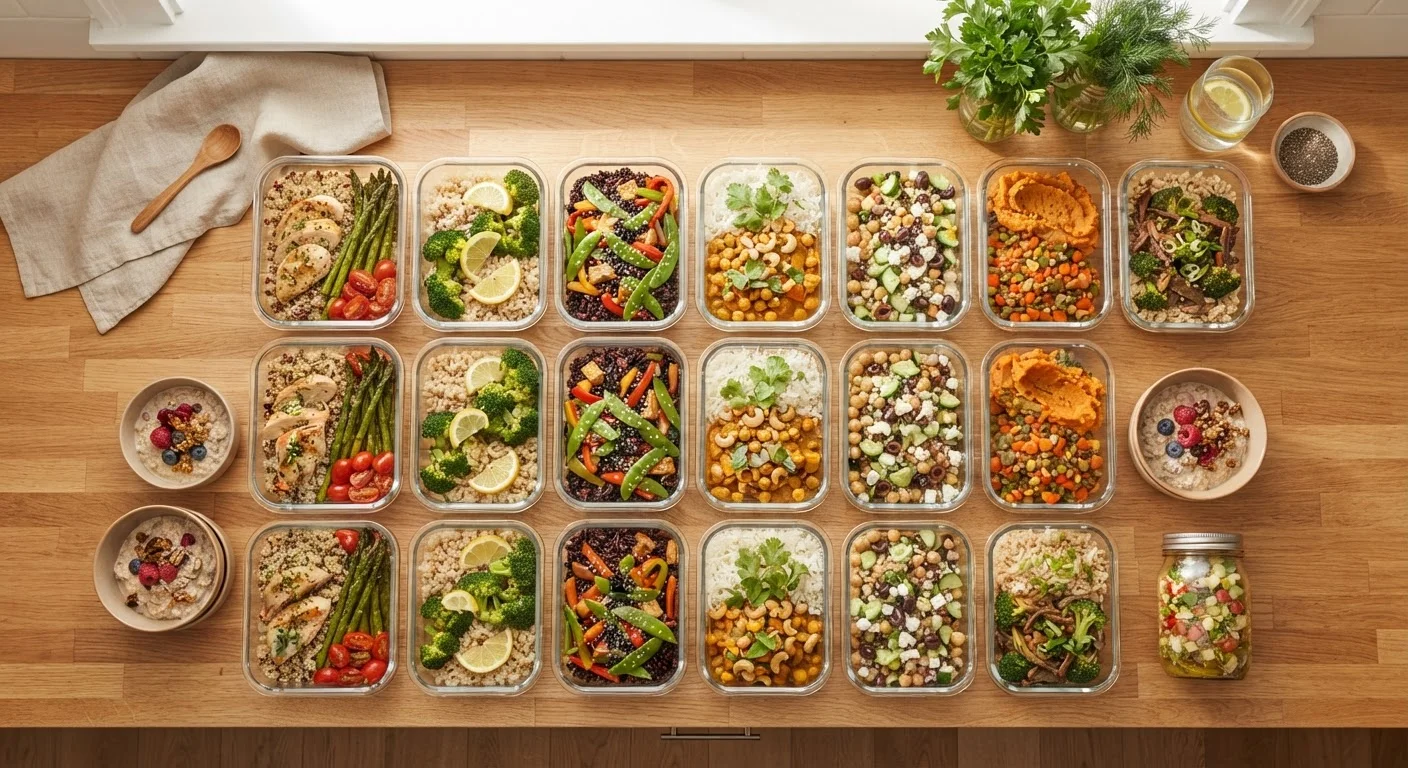
For practical guidance on building meals that balance these trade-offs, see a week of balanced eating.
Putting It Into Practice
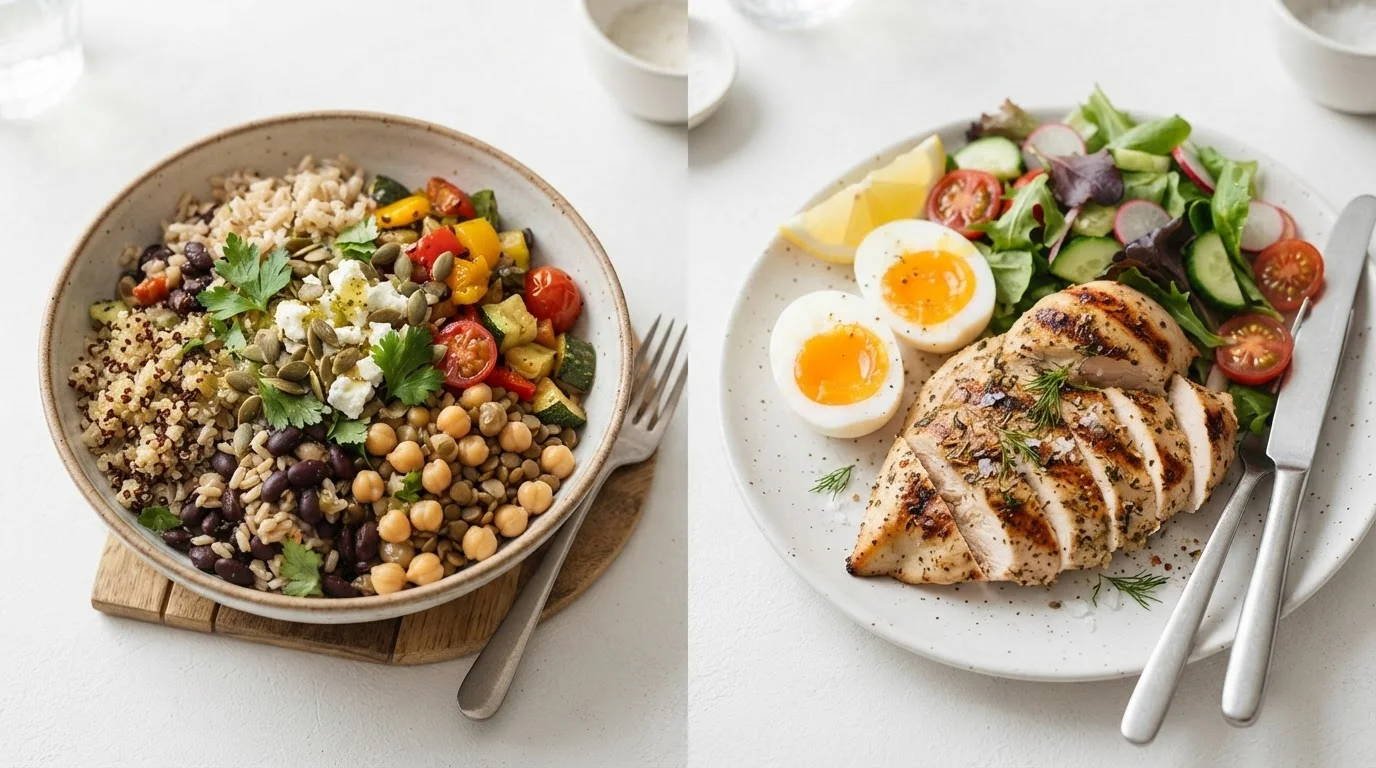
Neither protein category is universally superior. The most useful approach is to understand what each brings to the table and make choices that reflect your health goals, dietary preferences, and any conditions you manage with a healthcare professional.
If you eat animal products, varying your sources - including fish, eggs, legumes, and lean poultry - tends to produce a more nutritionally rounded diet than relying on a single type. If you follow a fully plant-based diet, prioritizing high-protein plant foods like lentils, tofu, edamame, tempeh, and quinoa, while diversifying broadly, can meet protein requirements. A registered dietitian can offer personalized guidance, particularly for special populations including pregnant individuals, older adults, or children.
This article is for general informational purposes only and does not constitute medical or nutritional advice. Always consult a qualified healthcare professional for guidance tailored to your individual health needs.