
What 'Whole Food' and 'Processed Food' Actually Mean
The terms whole food and processed food get used loosely - often as stand-ins for 'healthy' and 'unhealthy.' But the reality is more nuanced, and understanding actual definitions helps you make better sense of nutrition guidance.
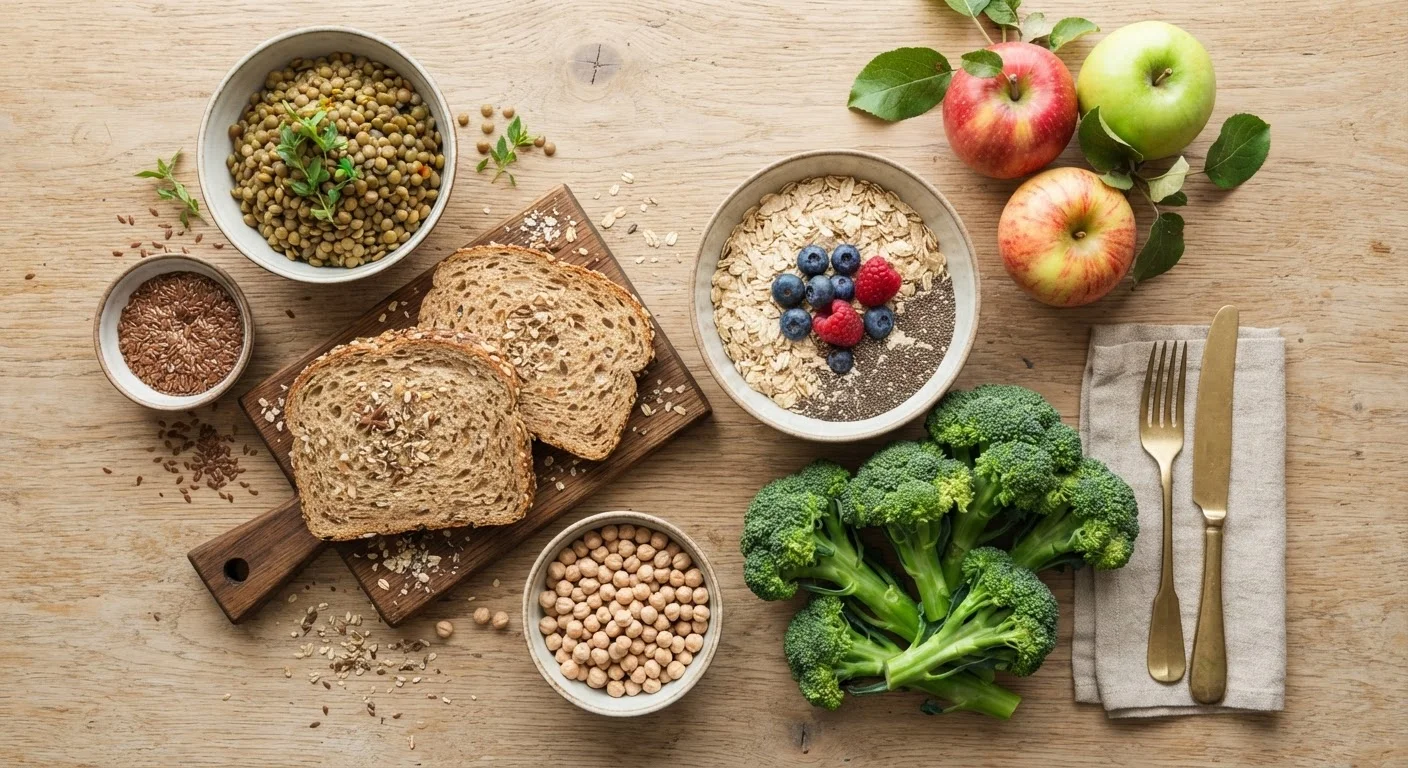
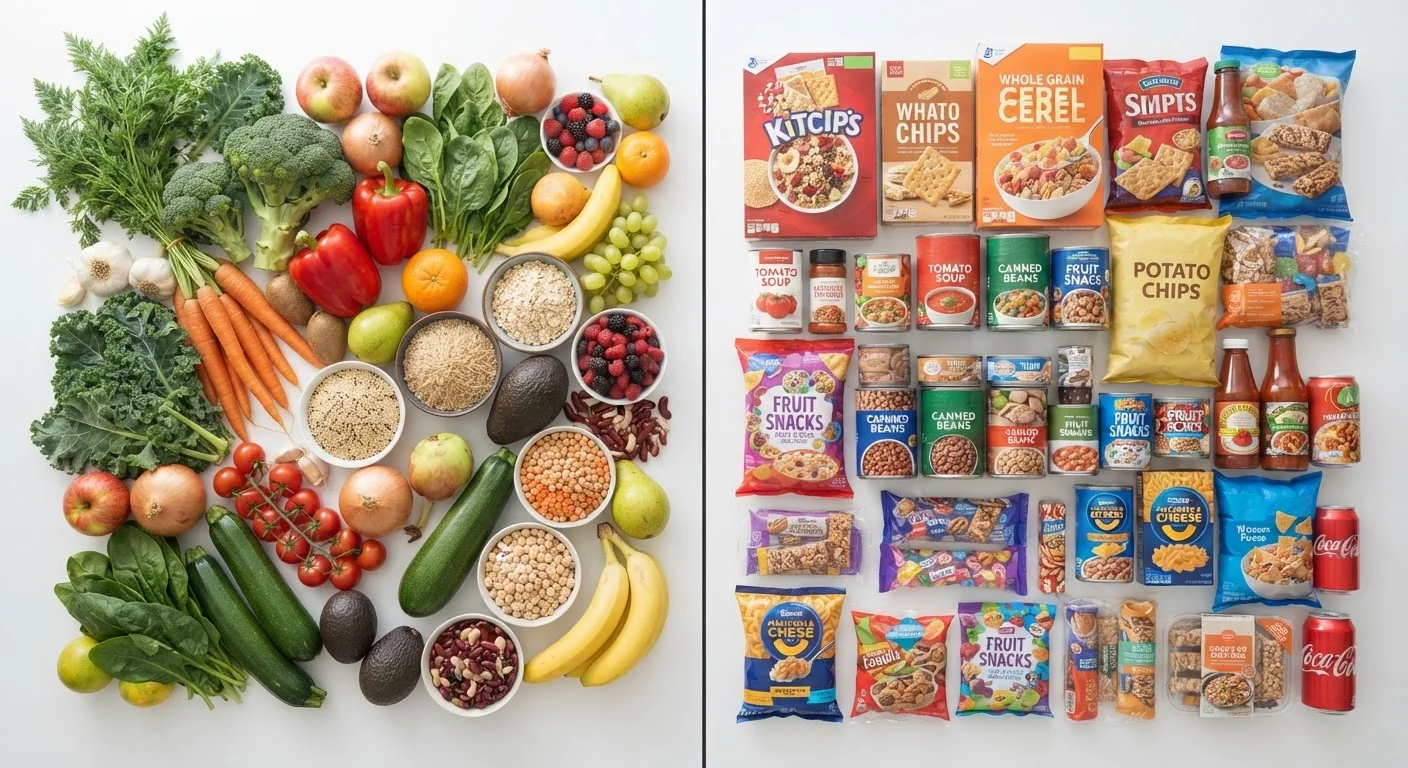
Whole foods are foods that have been minimally altered from their natural state. Think fresh apples, dry lentils, raw oats, a piece of salmon, or a plain walnut. They haven't had ingredients added or significant nutrients removed. What you see is largely what the food originally was.
Processed foods are foods that have undergone some form of deliberate change - cutting, cooking, fermenting, freezing, canning, adding preservatives, or combining ingredients. By this broad definition, almost everything most Americans eat is technically processed to some degree. Even pasteurized milk and bagged spinach count.
Nutrition researchers often use a more refined framework called NOVA, which groups foods into four categories based on the extent and purpose of processing - from unprocessed or minimally processed foods (Group 1) all the way to ultra-processed products (Group 4). Ultra-processed foods typically contain additives, flavor enhancers, emulsifiers, and ingredients rarely found in a home kitchen. This distinction matters because the bulk of research linking processed food to health concerns is really pointing at ultra-processed products specifically, not minimally processed items.
For a broader look at how food labels fit into overall nutrition, see the complete nutrition resource that covers macros, food labels, and long-term eating habits.
| Criterion | Whole Foods | Processed Foods |
|---|---|---|
| Definition | Minimally altered from natural state | Deliberately changed in some way |
| Fiber content | Generally high and intact | Often reduced, especially ultra-processed |
| Added sugars & sodium | None by definition | Varies widely; often elevated |
| Shelf life | Often shorter | Typically longer |
| Convenience | Usually requires more prep | Often ready-to-eat or quick to prepare |
| Nutrient density | Generally higher per calorie | Highly variable by product |
| Additive content | None | Ranges from none to many |
| Cost | Variable; produce can be affordable | Variable; convenience carries a premium |
How Nutrition Differs Across the Spectrum
Whole foods tend to deliver nutrients in their most intact form. Fiber in an apple, for example, includes both soluble and insoluble types bundled with water, natural sugars, and a range of phytonutrients. When that apple becomes sweetened applesauce or apple-flavored snack crackers, some of that fiber is reduced and sugars or starches are often added.
That said, some processing improves nutrition or safety. Canning tomatoes increases the bioavailability of lycopene, a beneficial antioxidant. Fortified foods like iodized salt and folic acid-enriched flour have addressed real public health needs. Fermentation of foods like yogurt or kimchi introduces beneficial bacteria that don't exist in the raw ingredients.
~57%
Share of US calories from ultra-processed foods
Research published in BMJ Open estimated that ultra-processed foods account for more than half of total daily calorie intake in the average American diet.
10+ g
Daily fiber gap for most Americans
The Dietary Guidelines for Americans notes that most US adults consume significantly less than the recommended 25-38 grams of dietary fiber per day, largely due to low whole food intake.
4 groups
NOVA food classification levels
The NOVA framework, developed by researchers at the University of São Paulo, categorizes all foods into four groups based on the extent and purpose of processing.
Where ultra-processed foods consistently differ from whole foods in research: they tend to be lower in fiber, higher in added sugars and sodium, and engineered for palatability in ways that may promote overconsumption. Observational studies published in journals like The BMJ and JAMA Internal Medicine have found associations between high ultra-processed food intake and increased risk of cardiovascular disease, obesity, and type 2 diabetes - though causality is complex and diet patterns as a whole matter greatly.
For context on how protein sources compare in this conversation, see our article on plant-based vs. animal protein.
Practical Guidance: Reading Labels and Making Choices
Rather than avoiding all processed food - an impractical standard - a more useful approach is learning to distinguish degrees of processing and reading labels with intention.
- Short ingredient lists typically indicate less processing. Canned chickpeas with just chickpeas, water, and salt are quite different from a flavored snack chip with 25 ingredients.
- Added sugars are now listed separately on US Nutrition Facts panels, making it easier to spot heavily sweetened products.
- Sodium content is a useful proxy for processing level - highly processed convenience foods frequently contain significant sodium even when they don't taste salty.
- Whole food ingredients first - ingredient lists are ordered by weight, so if whole grains, vegetables, or legumes appear near the top, that's a meaningful signal.
A realistic, sustainable approach for most people involves building meals primarily around whole and minimally processed foods - vegetables, fruits, whole grains, legumes, plain proteins - while using moderately processed items (canned beans, frozen vegetables, plain dairy) for convenience without significant nutritional compromise.
This same logic applies beyond human nutrition. If you're curious how similar label-reading principles translate to pet food, our guide on decoding pet food labels breaks down what terms like 'natural' and 'by-products' actually mean on packaging.
This article is for general informational and educational purposes only and does not constitute medical or dietary advice. Consult a qualified healthcare professional or registered dietitian for personalized nutrition guidance.