
Why Monthly Payments Are the Wrong Starting Point
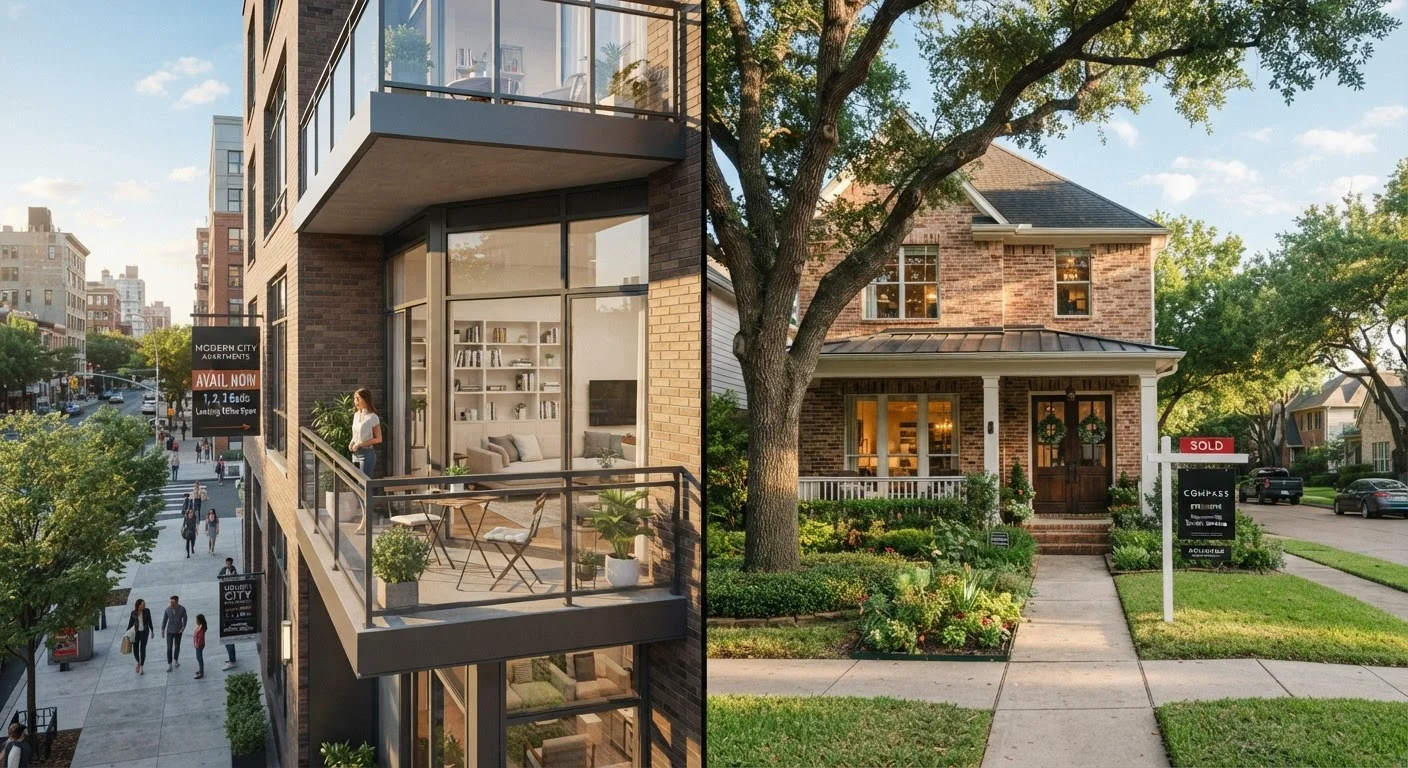
Most people enter the renting-vs.-buying debate by comparing what they pay each month. It's a natural instinct - but it's an incomplete lens. A mortgage payment and a rent check may look similar on paper while representing entirely different financial realities underneath.
When you rent, your payment covers housing. When you buy, your mortgage payment is split across principal repayment, interest, property taxes, homeowner's insurance, and often private mortgage insurance (PMI) if your down payment was under 20%. On top of that, buyers absorb maintenance costs that renters don't: a leaking roof, a failing HVAC system, or a plumbing emergency become the homeowner's responsibility and expense. For a fuller picture of these ongoing costs, see the true annual cost of owning a home.
The honest comparison starts by accounting for all costs - not just the number that hits your bank account each month.
The Equity Argument: Building Wealth vs. Preserving Cash
Homeownership's strongest financial argument is equity - the portion of the home's value you actually own, which grows as you pay down the mortgage and as property values (potentially) appreciate. Over a long enough horizon, equity can become a significant financial asset.
But equity has real limitations. It's illiquid, meaning you can't easily access it without selling the home or borrowing against it. In the early years of a mortgage, a large portion of each payment goes toward interest rather than principal, so equity builds slowly at first. And home values can decline - ownership doesn't guarantee appreciation.
Renters, by contrast, don't build equity. However, they also avoid tying up a large down payment - typically 5%-20% of the purchase price - in a single illiquid asset. That capital, if invested elsewhere, could generate returns depending on market conditions. This is sometimes called the "opportunity cost" of a down payment and is worth factoring into any long-term comparison.
| Renting | Buying | |
|---|---|---|
| Upfront Cost | Low (deposit + first month) | High (down payment + closing costs) |
| Equity Building | None | Yes, over time |
| Flexibility to Move | High | Low in short term |
| Maintenance Responsibility | Landlord handles most repairs | Owner pays all costs |
| Payment Predictability | Subject to rent increases | Fixed-rate mortgage is stable |
| Long-Term Wealth Potential | Indirect (investable savings) | Direct (equity + appreciation) |
| Best Horizon | Short to medium term | Five or more years |
For readers already on the ownership path and weighing whether to pay off debt early, owning outright vs. carrying a mortgage explores the next layer of that decision.
Flexibility, Stability, and Life Stage
Renting offers something buying cannot easily provide: the ability to move. Whether it's a job relocation, a life change, or simply outgrowing a space, renters face far fewer financial penalties for uprooting. Buyers who need to sell within two or three years may find that transaction costs - agent commissions, closing costs, potential capital gains - erode any equity gained.
The general guideline widely cited in real estate is that buying tends to make more financial sense when you plan to stay in a home for at least five years. Below that threshold, the upfront costs of purchasing rarely have time to amortize.
Use the Five-Year Rule as a Starting Checkpoint
If there's a reasonable chance you'll need to relocate within the next five years - due to career plans, family changes, or uncertainty - renting is often the more financially cautious path. The upfront transaction costs of buying a home typically require several years of occupancy to break even. This isn't a hard rule, but it's a practical starting point when assessing your timeline.
Stability also works both ways. Renters can face lease non-renewals, rent increases, or landlord decisions outside their control. Homeowners with a fixed-rate mortgage have predictable principal and interest payments for the loan's life, though property taxes and insurance premiums can still rise. To understand lease flexibility in more depth, see month-to-month vs. fixed-term lease options.
Upfront Costs and Financial Readiness
One of the most significant - and often underestimated - differences between renting and buying is the upfront cash required. Buying a home typically involves a down payment, closing costs (usually 2%-5% of the purchase price), moving expenses, and an immediate need for reserves to cover unexpected repairs. Altogether, buyers often need to have liquid savings well beyond just the down payment.
Renters typically face first month's rent, last month's rent, and a security deposit - a substantially lower barrier to entry. This makes renting the more accessible option for those early in their financial journey or building their savings base.
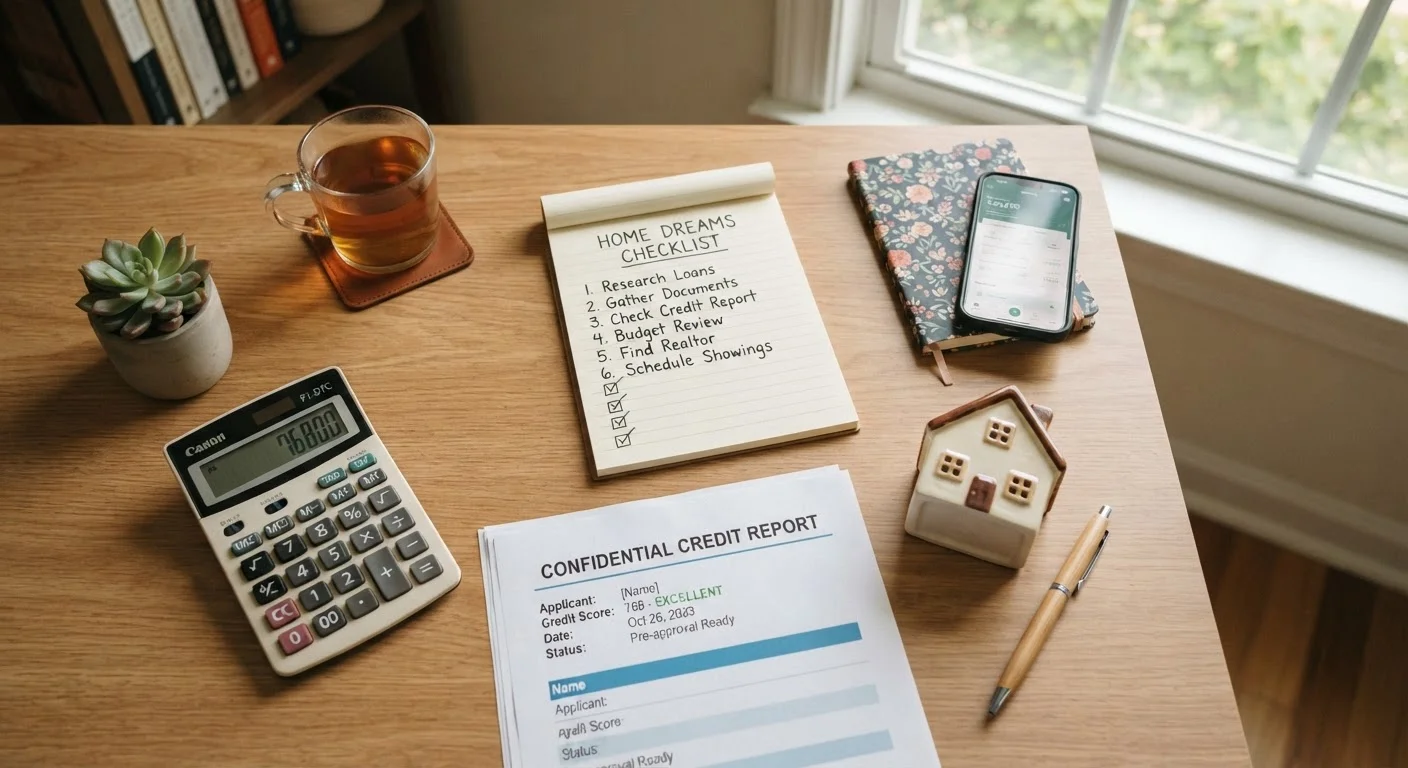
Financial readiness for buying generally means having a stable income, a manageable debt-to-income ratio, a solid credit score, and emergency savings separate from the down payment. Rushing into homeownership before those foundations are in place can create significant financial stress. For a broader perspective on how this decision sits alongside other major financial choices, renting vs. buying without the pressure offers a balanced framework.
If you do proceed with a purchase, the type of mortgage you choose also matters. Fixed-rate vs. adjustable-rate mortgages outlines how each structure affects long-term affordability.
~2%-5%
Typical closing costs as a share of purchase price
The Consumer Financial Protection Bureau notes closing costs generally range from 2% to 5% of the loan amount, separate from the down payment.
5+ years
Breakeven horizon commonly cited for buying
Many housing economists suggest buyers typically need to stay in a home at least five years before transaction costs are offset by equity gains.