

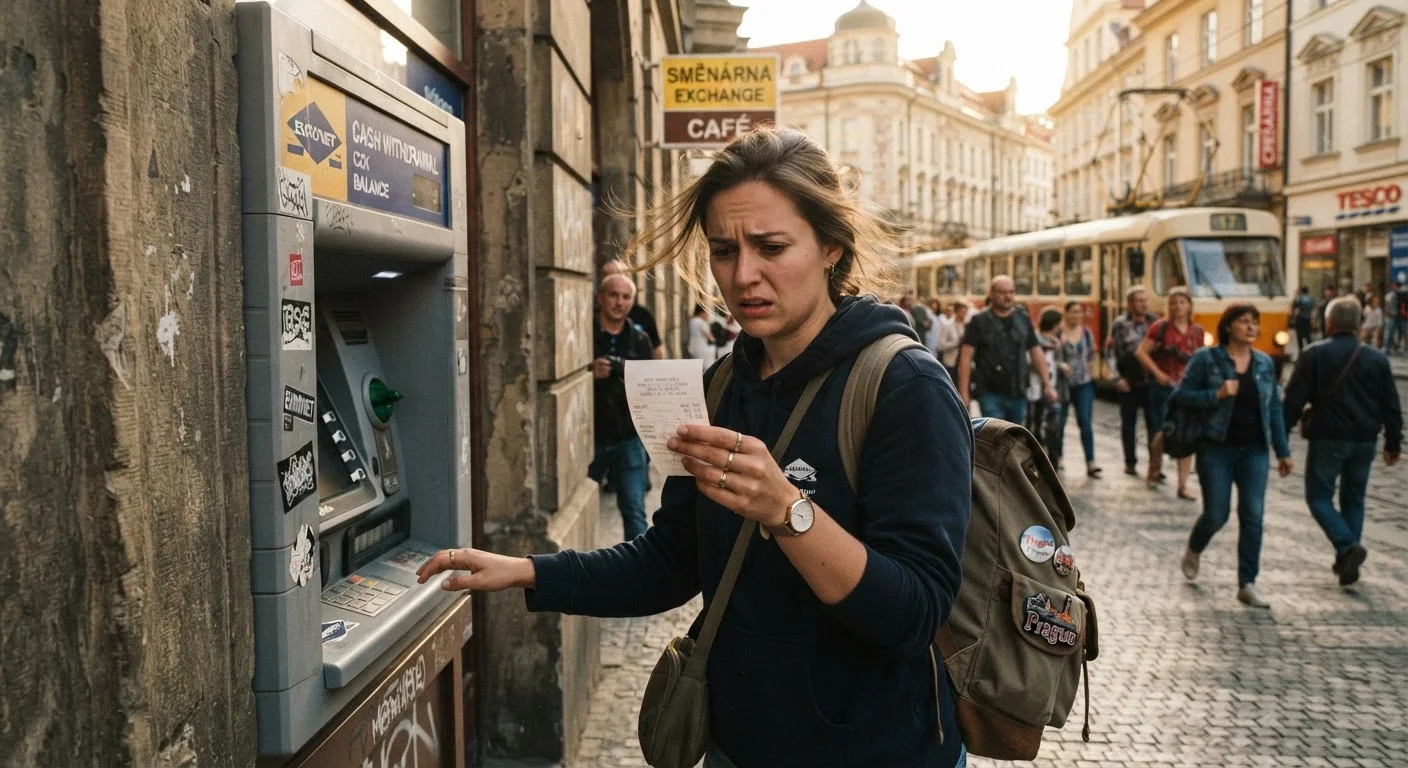
The Hidden Tax on International Spending
For most Americans, swiping a card is such an automatic habit that the mechanics of what happens behind the scenes never register - until a bank statement arrives after an international trip and the numbers don't quite add up. Foreign transaction fees, currency conversion markups, and ATM surcharges are all legitimate, disclosed costs. The problem is that most travelers simply don't know to look for them.
Understanding these charges isn't about becoming a finance expert. It's about spending five minutes before you leave so your vacation budget actually reflects what you'll spend. If you're new to international travel, our guide on what Americans actually need to know before heading abroad covers the full landscape of practical surprises - fees included.
1%-3%
Typical foreign transaction fee per card purchase
Most major US card issuers charge between 1% and 3% on every transaction processed outside the United States.
$5-$12
Average combined ATM fee per foreign withdrawal
Fees from your US bank and the foreign ATM operator combined can reach $5-$12 or more per transaction, depending on the institutions involved.
~3%-7%
Typical markup on dynamic currency conversion
Financial analysts and consumer advocates have consistently noted that DCC exchange rates carry markups well above interbank rates, sometimes reaching 7% or higher.
The Mistakes That Cost Travelers the Most
The good news is that every one of these charges is avoidable or at least manageable once you know what to watch for. The mistakes below are the ones we hear about most often from travelers who felt blindsided - and each one comes with a straightforward fix.
Assuming a US credit or debit card works abroad with no extra cost.
Why it happens: Many Americans use cards domestically for years without ever seeing a fee itemized on statements - so the idea that international use triggers a surcharge simply never occurs to them.
Accepting dynamic currency conversion at the point of sale.
Why it happens: The offer to "pay in dollars" sounds convenient and familiar, which makes it feel like the safer choice - especially when you're jet-lagged and managing a line of people behind you.
Withdrawing cash in small, frequent amounts from foreign ATMs.
Why it happens: Travelers often feel uncertain about how much cash they'll need, so they withdraw conservatively and return to ATMs repeatedly - not realizing each visit triggers a new round of fees.
Exchanging currency at airports or hotel desks without comparing rates.
Why it happens: Airport kiosks are convenient and feel official, and travelers arriving in a new country often just want cash quickly without thinking about the rate they're receiving.
Not notifying your bank before international travel.
Why it happens: This step feels bureaucratic and easy to skip in the rush of packing, and many travelers assume their card will just work.
Always Decline Dynamic Currency Conversion
When a foreign merchant or ATM offers to charge you in US dollars instead of local currency, declining is almost always the smarter move. This practice, called dynamic currency conversion (DCC), lets the merchant set the exchange rate - and it's typically far worse than what your bank would apply. Always choose to pay in the local currency and let your bank handle the conversion.
Building a Smarter Abroad Spending Plan
Once you understand the fee structures, a simple strategy comes into focus: know your card's terms, choose local currency at every opportunity, and be thoughtful about when and how you access cash. These aren't complicated moves - they just require a bit of pre-trip attention that most travelers skip.
It also helps to think about fees alongside the other financial surprises that international trips tend to deliver. Our look at common myths Americans still believe about international travel includes some of the money-related assumptions that turn out to be wrong. And if you want a broader picture of what catches US travelers off guard, these are the things that surprise Americans most on a first international trip is worth a read before you pack.
ATM Fees Can Stack Quickly
Withdrawing cash abroad often triggers two separate fees: one from your US bank and one from the foreign ATM operator. On a single withdrawal, combined fees of $8-$12 are not uncommon. Withdrawing larger, less frequent amounts - rather than small amounts often - is a straightforward way to reduce how many times these fees hit you. Verify your bank's specific fee schedule before you travel.
The bottom line: foreign transaction fees aren't a scam - they're a disclosed cost that's easy to miss when you've never traveled internationally. A little preparation means you can focus on the trip itself, not on decoding a confusing bank statement when you get home.