
Why Desert Driving Demands Its Own Checklist
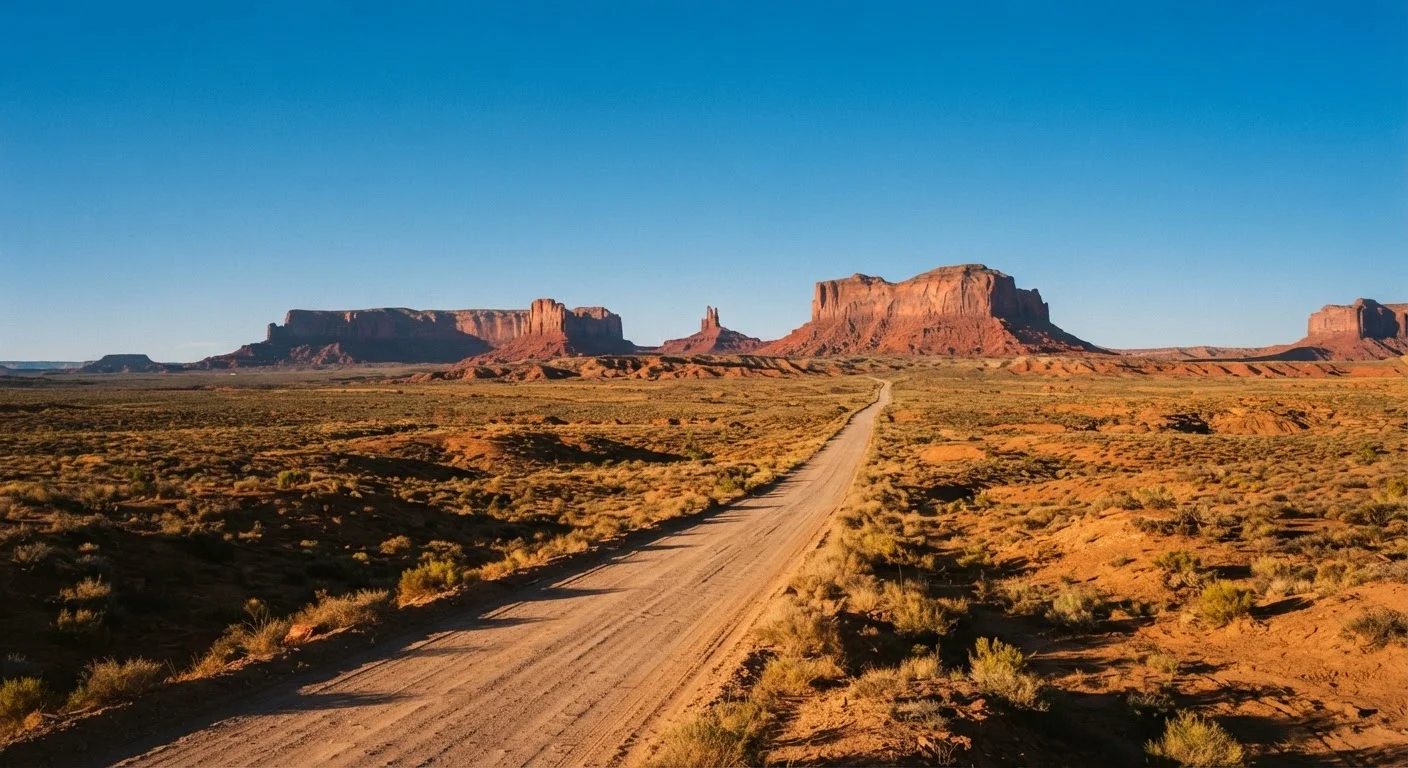
The American desert is one of the most breathtaking environments on the planet - and one of the most unforgiving. From the Mojave to the Chihuahuan, from Utah's canyon country to the remote stretches of the Sonoran, these landscapes demand a level of preparation that a standard road trip simply doesn't require. Temperatures can swing 40°F between midday and midnight. Sand can swallow a tire. A wrong turn on an unmarked two-track can leave you miles from pavement with no signal and no shade.
That's not a reason to stay home. It's a reason to prepare properly. Whether you're heading to a famous landmark or following up on one of the hidden desert parks worth the detour, this checklist will help you leave with confidence. Work through it in the days before your trip - not the morning you roll out.
Satellite Communicator or PLB
Enables two-way messaging or distress signaling in areas with no cell coverage - essential for solo or remote travel.
Portable 12V Air Compressor
Allows you to air down tires for soft sand traction and reinflate them before returning to paved roads.
Offline Mapping App with Downloaded Maps
Provides turn-by-turn navigation when cell service is unavailable; download maps for your full region before departure.
Recovery Tow Strap and Kinetic Rope
Allows a second vehicle to extract yours from sand, mud, or a ditch without damaging either vehicle's frame.
Jumper Cables or Lithium Jump Starter
Restarts a dead battery without needing another vehicle nearby - critical when you may be the only car for miles.
Printed Regional Road Maps
Serves as a reliable backup when devices fail, overheat, or run out of power in extreme desert conditions.
Portable Solar Panel
Keeps phones, GPS devices, and satellite communicators charged during multi-day trips without grid access.
How to Use This Checklist
This checklist is organized into four categories: vehicle readiness, essential supplies, navigation and communication, and trip planning. Each item is tagged as must (non-negotiable), should (strongly recommended), or nice to have (useful enhancement). If an item is marked must and you can't check it off, reconsider your departure date.
Pair this with the broader pre-trip home base checklist to handle logistics like auto-pay, mail holds, and pet care alongside your desert-specific prep. And if your vehicle is due for seasonal service, reviewing a seasonal maintenance guide before desert travel is time well spent - desert heat accelerates wear on cooling systems, tires, and belts.
Vehicle Readiness
Water, Food, and Survival Supplies
Navigation and Communication
Trip Planning and Emergency Protocols
A Few Things Worth Emphasizing
No checklist replaces judgment. Even ticking every box doesn't guarantee a trouble-free day in the backcountry - but it dramatically improves your odds and shortens the window of any emergency.
Never Enter the Backcountry Without a Filed Trip Plan
If something goes wrong in a remote desert - a breakdown, an injury, a wrong turn - search and rescue teams need to know where to look. Always leave a written trip plan with a responsible person who knows exactly when to call for help. Don't assume anyone will notice you're missing until it's too late.
Always verify entry requirements, road conditions, and permit needs directly with the relevant land management agency (National Park Service, Bureau of Land Management, US Forest Service) before your trip. Conditions change - washed-out roads, seasonal closures, and fire restrictions can appear with little notice.
Flash Floods Can Strike Without Warning
Desert canyons and dry washes can flood violently from rain falling miles away - with no rain visible where you're standing. Never camp in a wash or low-lying canyon. Check weather forecasts not just at your location but across the surrounding watershed before setting out, and move to high ground immediately if you hear thunder or see water rising.
Desert driving is one of the most rewarding forms of American adventure travel when approached seriously. The silence, the scale, the colors at golden hour - it's unlike anything else. Do the work beforehand, and you'll spend your miles out there fully present, not white-knuckling it through preventable situations.