
The Secret Language of the Trail
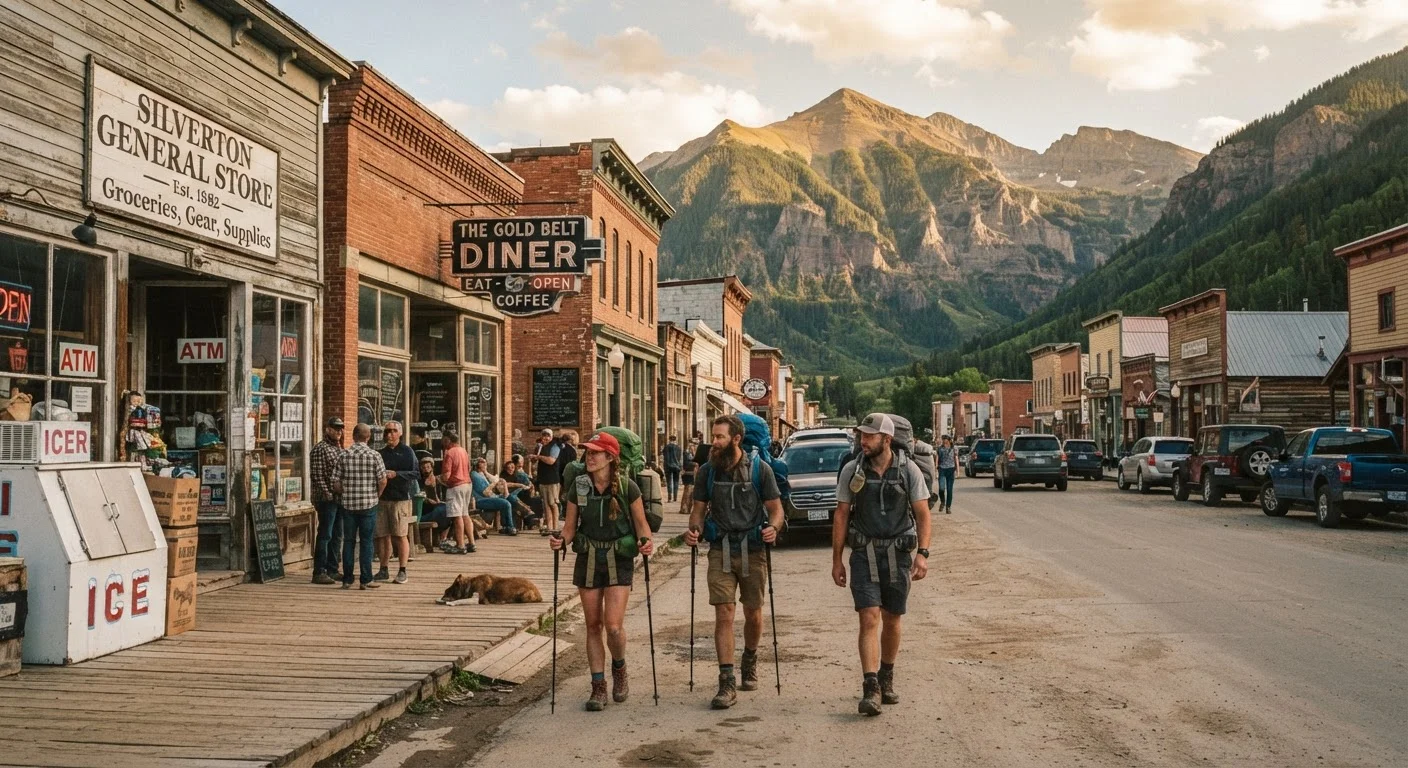
Step into any diner in a trail town during hiker season and you'll notice something immediately: people with weathered faces, sun-bleached gear, and an unmistakable ease about them. These are thru-hikers - and they've developed an entire culture with its own vocabulary, rituals, and social norms that most tourists walk right past.
Terms like "nero" (a nearly zero-mile day), "trail name" (the nickname a hiker adopts on the trail), and "hiker hunger" (the insatiable appetite that develops after weeks of high-mileage days) are standard conversation. Understanding even a few of these signals that you're paying attention - and locals appreciate that more than you might expect.
Trail towns aren't just pretty villages near the woods. They're functional communities that have quietly adapted to serve a very specific traveler. The hostel in an old church basement, the outfitter that knows exactly which blister treatment works best, the diner that offers a "hiker special" with three times the normal portion - none of this happened by accident. It's a hospitality ecosystem built over decades.
Trail Town Infrastructure Varies Widely
Not every community near the AT is equally hiker-friendly. Some towns require a road walk of several miles from the trail, while others are literal steps from the footpath. Before visiting a specific trail town, it's worth checking recent hiker resources or the Appalachian Trail Conservancy's official materials to understand what's available. Conditions, business hours, and services can change between seasons.
Iconic Stops and What Makes Them Special
Damascus, Virginia is often called "The Friendliest Town on the Trail." Every May it hosts Trail Days, a gathering that draws thousands of current and former thru-hikers. For a few days, the small town becomes a living reunion - expect costumes, gear swaps, and stories that stretch into the night.
Harpers Ferry, West Virginia sits at the confluence of the Shenandoah and Potomac rivers and carries the weight of American history alongside its trail significance. The Appalachian Trail Conservancy headquarters is here, and hikers traditionally stop for a photograph that marks the psychological midpoint of their journey.
Monson, Maine guards the entrance to the Hundred Mile Wilderness - the most remote stretch of the entire trail. The town of just a few hundred residents has developed an outsized reputation for warmth, with local hostels offering legendary homecooked meals to road-weary hikers about to tackle (or just finishing) the most demanding section of the AT.
2,190
Miles of the Appalachian Trail
The AT runs through 14 states and is maintained largely by volunteer organizations and the Appalachian Trail Conservancy.
~3 million
Annual AT visitors of all kinds
The Appalachian Trail Conservancy estimates roughly 3 million people visit some portion of the trail each year, from day hikers to thru-hikers.
~4-6 months
Average thru-hike duration
Most successful thru-hikers complete the trail in four to six months, depending on pace, weather, and the number of rest days taken in trail towns.
How to Visit Like You Belong There
The biggest mistake tourists make in trail towns is treating them like theme parks. The culture here is participatory, not performative. A few principles go a long way.
- Respect the pace. Trail towns operate on hiker time - relaxed, unhurried, deliberate. Don't rush your server or expect big-city efficiency.
- Talk to people. Hikers are remarkably open to conversation. Ask where they started, not how far they've gone - it's a more respectful opener in trail culture.
- Support local businesses intentionally. The outfitter, the hostel, the independently-run diner - these are the economic backbone of the town. Spending there matters more than it might in a larger destination.
- Don't treat thru-hikers as curiosities. They're people doing something extraordinary, not characters in a travel experience. Genuine interest is welcome; gawking isn't.
Many of these towns sit in regions that travelers consistently underestimate - places where the hospitality runs deep and the character is entirely authentic, if you're willing to slow down enough to notice it.
Best Time to Visit for Atmosphere
If you want to experience a trail town at its most alive, plan your visit between late March and early June. This is when the northbound hiker 'bubble' - the large group of hikers who start around the same time - moves through. Towns are active, locals are engaged, and the community feel is at its peak. Shoulder seasons offer more solitude but less of the distinctive trail-town energy.
The Rhythm That Keeps These Towns Alive
Trail towns live and breathe by the seasons. From late March through early summer, northbound thru-hikers flood through in waves. By late summer and fall, the southbounders trickle down from Maine. Local business owners describe it as riding a tide - planning their entire year around these surges of hungry, grateful, slightly odorous visitors.
What sustains these communities isn't tourism infrastructure in the traditional sense - it's genuine goodwill toward people pursuing something hard. That spirit is contagious. Visitors who arrive curious and humble almost universally leave with something they didn't expect: a sense that these small towns, often overlooked on a standard road trip, hold some of the most authentic American experiences still available. No reservations required. Just show up ready to listen.