
Your Car Communicates Constantly - Here's How to Listen
Modern vehicles are equipped with dozens of sensors and systems designed to alert you before a minor issue becomes a major breakdown. The problem is that many drivers either don't recognize these signals or put off acting on them. Understanding what your car is telling you - through lights, sounds, smells, and feel - is one of the most practical skills any driver can develop. The car maintenance basics that protect your vehicle most often start with recognizing these early warnings.
Keep a Simple Log of Warning Signs
When you notice a new noise, smell, or dashboard light, jot down when it happened, what conditions triggered it, and whether it's consistent or intermittent. This information helps a mechanic diagnose problems far more efficiently than a general description, and can save diagnostic time - and money.
Dashboard Warning Lights You Shouldn't Ignore
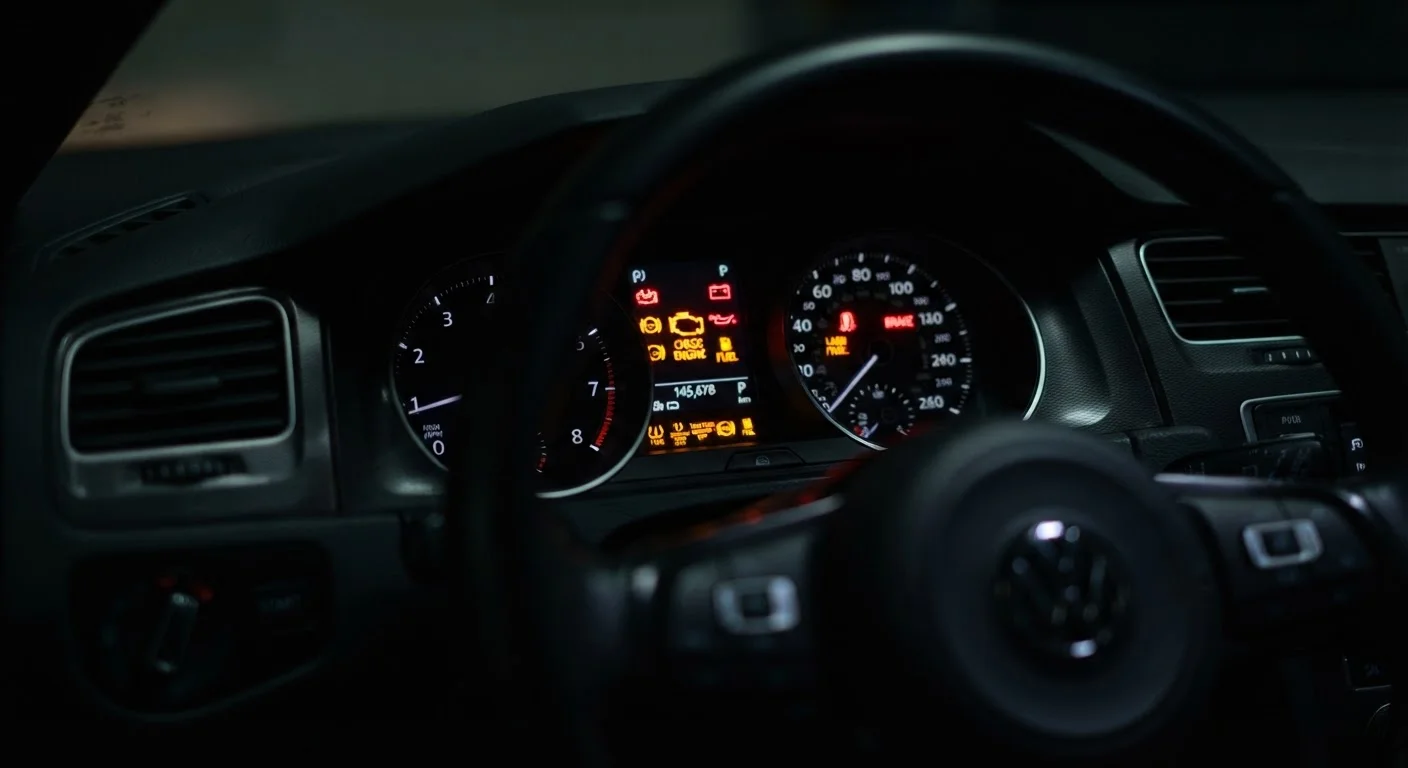
Your dashboard is designed to flag problems before they escalate. Red lights are urgent - pull over safely if you see one for oil pressure, engine temperature, or brake system failure. Amber or yellow lights (check engine, TPMS, battery) indicate issues that need attention soon but rarely require an immediate stop.
The check engine light is one of the most misunderstood signals. It can indicate anything from a loose gas cap to a misfiring cylinder. A qualified mechanic can read the stored diagnostic trouble code with an OBD-II scanner to pinpoint the cause. For a deeper breakdown of each symbol, see what each dashboard warning light actually means.
A red warning light is never optional - treat it as a reason to act the same day.
Unusual Noises From the Engine, Brakes, or Wheels
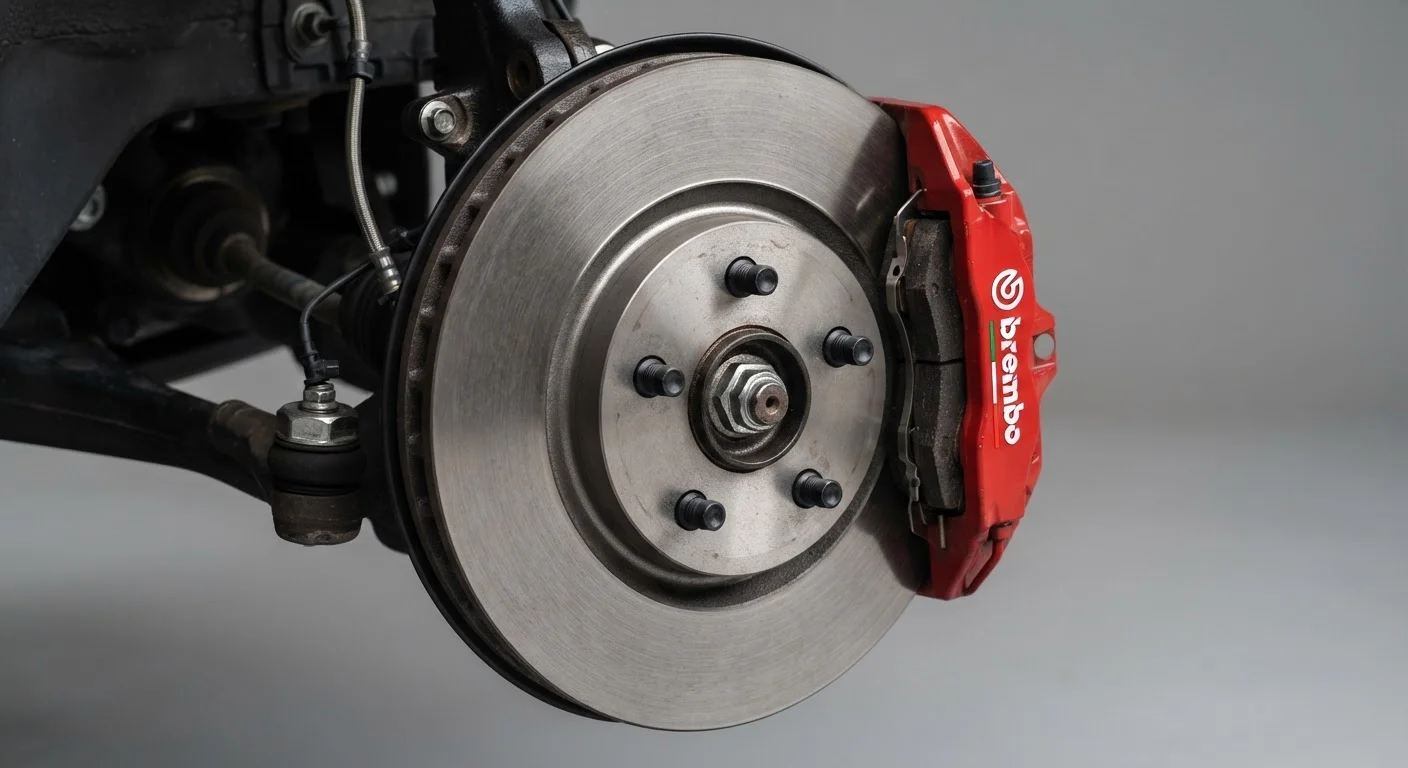
Sound is one of the most reliable early-warning systems a car has. A high-pitched squeal when braking typically signals worn brake pads triggering a built-in wear indicator. A grinding noise under braking usually means the pad material is gone and metal is contacting the rotor - a more expensive and potentially unsafe situation.
Knocking or tapping from the engine can indicate low oil pressure, worn bearings, or carbon buildup. A rhythmic clunking from a wheel - especially on turns - often points to a failing CV joint. Any new noise that appears consistently warrants a mechanic's inspection rather than a wait-and-see approach.
Brake squeal is designed to be heard - it's a deliberate warning, not background noise to tune out.
Fluid Leaks Beneath a Parked Car
Finding a puddle under your car after it's been parked is a meaningful signal. The color and location help identify the source. A clear water drip near the passenger side in summer is typically condensation from the air conditioning system - normal and harmless. But oily dark stains near the center or front suggest an engine oil leak. Bright green or orange fluid usually points to a coolant leak, which can lead to overheating if left unaddressed.
Brake fluid (clear to light yellow, near the wheels or firewall) and transmission fluid (reddish, center of the car) are both serious. Losing either compromises your ability to stop or shift safely. Review how to identify your car's fluids to know what healthy levels look like before a leak becomes a crisis.
Fluid color and location under a parked car can tell you exactly which system is failing.
Unfamiliar Smells Inside or Outside the Cabin
Smell is an underrated diagnostic tool. A burning rubber odor can mean a slipping drive belt, a stuck brake caliper, or a coolant leak hitting a hot surface. A sweet, syrupy smell usually indicates coolant burning off - often near the engine or heater core. If that smell enters the cabin, have the vehicle inspected promptly, as coolant vapor is harmful to breathe over time.
A sulfur or rotten egg smell may indicate a failing catalytic converter or a battery issue in some hybrid or older vehicles. Any smell of gasoline inside the cabin is a more urgent concern - fuel system leaks are a fire risk and should not be driven on until inspected by a professional.
Gasoline smell inside the cabin is never normal - it signals a potential fire risk that needs immediate attention.
Changes in Handling, Steering, or Braking Feel
How your car feels in motion is just as important as what it looks or sounds like. If it pulls consistently to one side while driving, suspect uneven tire pressure, a wheel alignment issue, or - if accompanied by pulling during braking - a brake caliper problem. Vibration through the steering wheel at highway speeds often points to wheel balance issues or worn tie rods.
A soft or spongy brake pedal that sinks toward the floor is a red flag for air in the brake lines or a brake fluid leak. A pedal that feels normal when first pressed but fades on sustained pressure can indicate overheated brakes or a more serious hydraulic issue. These are not symptoms to monitor over time - they indicate systems that directly affect your ability to control the vehicle.
Staying on top of these signals is one of the most effective ways to avoid the costly repairs covered in where car owners lose the most money without realizing it.
A spongy brake pedal is an immediate safety concern - have it inspected before your next drive.
Acting on Warning Signs Before They Compound
Most vehicle problems follow a predictable pattern: a small, inexpensive issue is ignored until it causes damage to surrounding components, and the repair bill grows accordingly. Worn brake pads that squeal for weeks become rotors that need replacement. A slow coolant leak leads to an overheated engine. The signals in this list are your opportunity to interrupt that cycle early.
When In Doubt, Get a Second Opinion
Not every mechanic will diagnose the same problem identically, and repair estimates can vary widely. If a shop recommends a significant repair based on a warning sign you've described, it's reasonable to ask for a written explanation of the diagnosis or to have a second shop confirm it. Reputable mechanics will support this process - it's a normal part of car ownership.
If you're ever uncertain whether a symptom is urgent, err on the side of having it checked. A brief inspection is almost always cheaper than the alternative - and in the case of braking or steering concerns, it's a matter of safety, not just cost.