

Start With Your Owner's Manual
Before you buy a single tool or schedule your first appointment, open the owner's manual that came with your vehicle. It sounds obvious, but most first-time owners never read it. That manual contains the exact maintenance intervals recommended by the engineers who built your car - not generic advice, but specifications tied to your engine type, transmission, and climate considerations.
Pay particular attention to the maintenance schedule section. It will list services by mileage (every 5,000 miles, 30,000 miles, etc.) and sometimes by time elapsed (every 12 months regardless of miles driven). Both triggers matter. A car driven sparingly still ages - seals dry out, fluids degrade, and belts weaken over time.
If your vehicle didn't come with a manual, the manufacturer's website or a service like the National Highway Traffic Safety Administration (NHTSA) database can help you locate one. Understanding what each service milestone actually means is the foundation everything else builds on.
Photograph Your Dashboard on Day One
Take a photo of your odometer and dashboard the day you take ownership of a vehicle. This creates a timestamped baseline for your mileage records and can be useful for insurance or warranty purposes down the road. Store it in a dedicated folder in your phone's photo app alongside your service receipts.
The Core Maintenance Tasks Every Owner Should Know
Routine maintenance isn't a single event - it's a collection of recurring tasks at different intervals. Here are the most fundamental ones:
- Engine oil and filter: Oil lubricates moving parts and carries away heat and contaminants. Most modern vehicles call for changes every 5,000-7,500 miles with conventional oil, or up to 10,000 miles with full synthetic. Check your manual for the spec that applies to your engine.
- Tire rotation and pressure: Rotating tires every 5,000-7,500 miles evens out wear patterns and extends tire life. Check pressure monthly - underinflated tires reduce fuel economy and handling.
- Fluid levels: Coolant, brake fluid, power steering fluid, transmission fluid, and windshield washer fluid all require periodic checks and eventual replacement.
- Air filter: A clogged engine air filter restricts airflow and can reduce performance and fuel efficiency. Typical replacement interval is every 15,000-30,000 miles depending on driving conditions.
- Wiper blades: Most manufacturers suggest replacing blades every six to twelve months, or sooner if they streak.
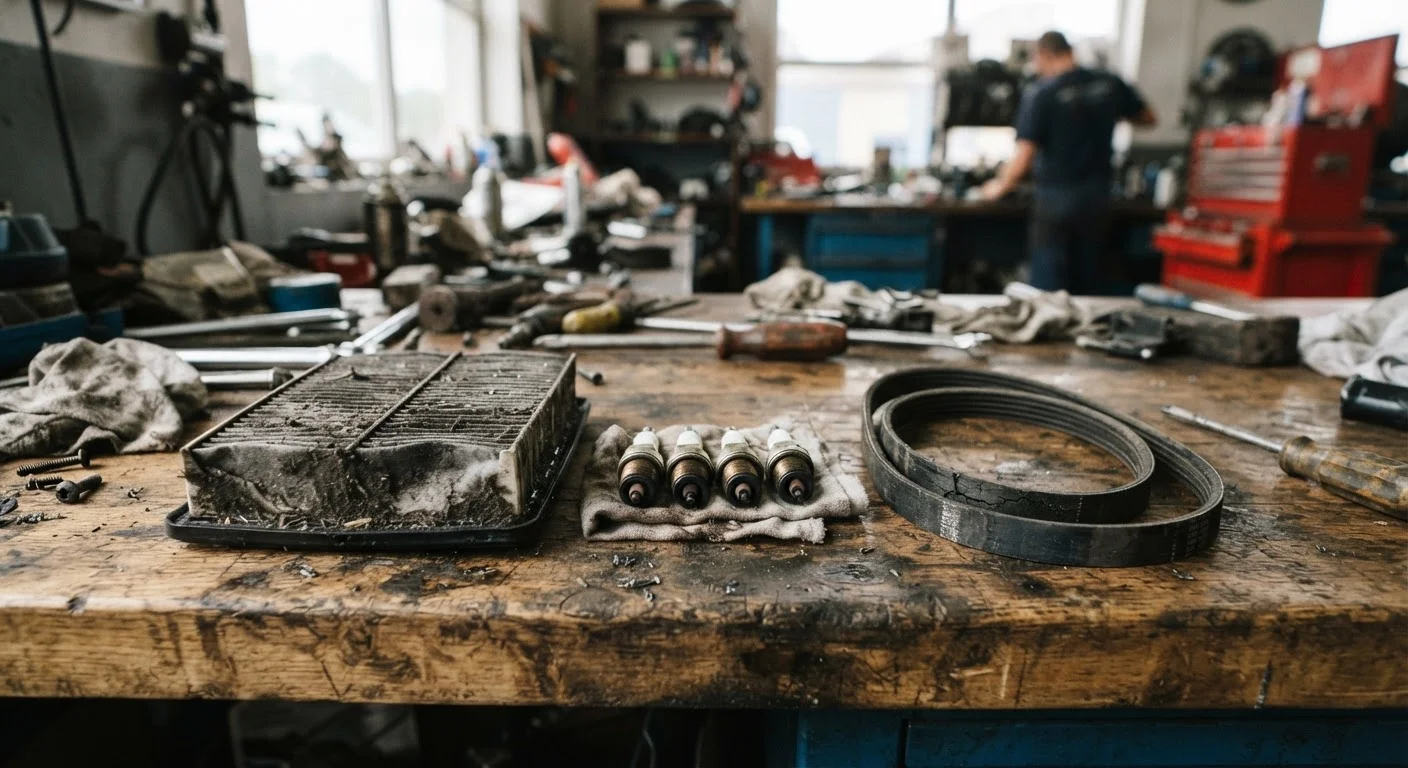
Several items in this list - spark plugs, belts, and filters - tend to be overlooked until something goes wrong. Understanding what these components do and when they need attention can prevent roadside surprises.
35%
Vehicles with significantly underinflated tires
According to NHTSA data, roughly one in three passenger vehicles on U.S. roads has at least one significantly underinflated tire.
$1,200+
Estimated annual cost of neglected maintenance
Industry estimates suggest deferred routine maintenance can compound into repair costs exceeding $1,200 annually for average vehicle owners.
Building Your Maintenance Calendar
A maintenance routine only works if it's systematic. The most reliable approach combines mileage tracking with a simple calendar system.
Start by noting your odometer reading today. Then map out the upcoming service milestones from your owner's manual - for example, oil change at 5,000 miles, tire rotation at 7,500, cabin air filter at 15,000. Write these down in a dedicated note on your phone, a spreadsheet, or a paper log kept in your glove box.
Set a recurring monthly reminder to check tire pressure and scan the dashboard for any warning lights. Add calendar events for your anticipated oil change dates based on your typical monthly mileage. If you drive about 1,000 miles per month and need an oil change every 7,500 miles, you can estimate the date roughly seven months out.
This approach mirrors the kind of organized tracking that helps owners of any major asset stay ahead of problems - the same disciplined habit that helps new homeowners manage their properties. Tracking, filing, and staying on top of responsibilities is a transferable skill whether you own a house or a car.
What You Can Do Yourself vs. What Needs a Pro
One of the most useful skills a first-time owner can develop is knowing where the line is between owner-level tasks and work that requires a qualified mechanic.
Generally safe for most owners to handle:
- Checking and topping off fluid levels (windshield washer, coolant reservoir - never open a hot radiator cap)
- Monitoring and adjusting tire pressure
- Replacing wiper blades
- Replacing cabin air filters (usually accessible without tools)
- Inspecting belts and hoses for visible cracking or wear
Best left to a qualified mechanic:
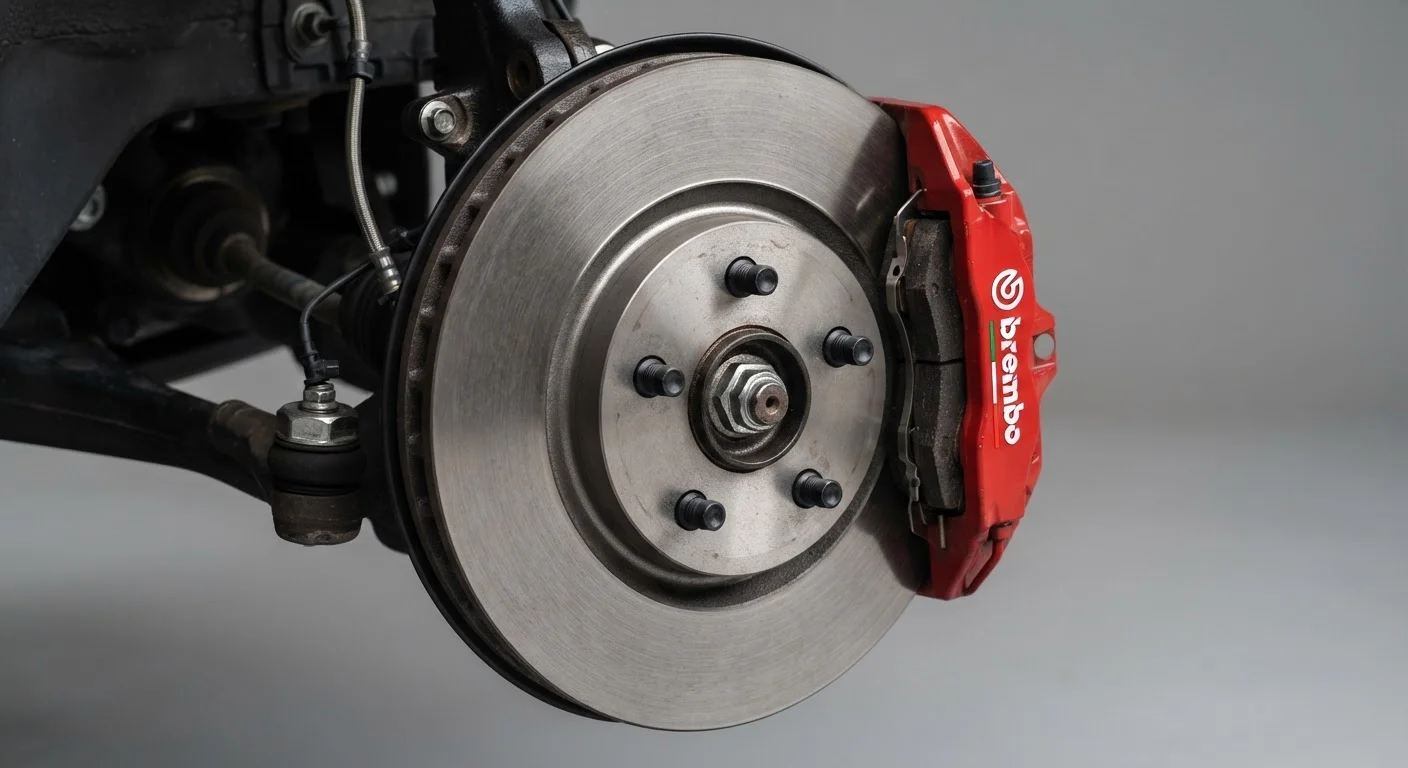
- Brake service of any kind - pads, rotors, calipers, or fluid flushes
- Suspension and steering components
- Timing belt or timing chain replacement
- Transmission service
- Any repair requiring the vehicle to be safely elevated on a lift
When you pick up your car from a shop, ask the technician to walk you through what they found - not just what they fixed. A good mechanic will flag items that are approaching wear limits so you can plan ahead rather than react.
Proactive communication with your service provider transforms routine visits into useful diagnostic snapshots, helping you budget for upcoming needs rather than facing unexpected bills.
Check your tire pressure when the tires are cold - meaning the car has been parked for at least three hours. Driving heats the air inside tires and temporarily raises the pressure reading, which can lead you to underinflate them.
Accurate pressure readings require cold tires; this is the standard used by tire manufacturers and is specified in your owner's manual door placard rating.
If you're unsure whether a task falls within your skill level, err toward professional service. A repair done incorrectly can compromise safety or create more expensive damage. This is especially true for anything connected to braking, steering, or structural integrity.
Keeping Records That Actually Help You
Every service your vehicle receives should be documented. A complete service history does three things: it helps you avoid duplicating or missing services, it gives mechanics useful diagnostic context, and it supports resale value when the time comes to sell.
Keep it simple: a small notebook in the glove box works. For each service, record the date, odometer reading, what was done, and where. Save any receipts or service invoices in a folder - physical or digital.
If you want something more structured, a maintenance schedule organized by mileage and time intervals can serve as a framework to build your records around. As your car accumulates miles, that history becomes increasingly valuable - both to you and to anyone who services or purchases the vehicle later.
For a broader picture of what car ownership involves beyond maintenance - registration, insurance, and the financial side - understanding what ownership actually involves provides the full context new owners need.
This article provides general vehicle maintenance information for educational purposes. Always consult a qualified mechanic for diagnosis, repair, or any work involving vehicle safety systems.