
Start With a Locked-In Scope
The single most common reason renovations spiral out of control is scope creep - the gradual expansion of a project beyond its original intent. A bathroom refresh becomes a full gut renovation; a kitchen update pulls in adjacent hallway work. Each addition seems logical in the moment, but collectively they blow timelines and budgets.
Before any contractor sets foot in your home, write down exactly what the project includes - and what it does not. A written scope document doesn't need to be a legal brief, but it should specify rooms affected, materials to be removed or preserved, finishes you've selected, and clear boundaries. Share this document with every contractor you consult so bids are based on identical assumptions.
When a tempting mid-project addition arises, treat it as a separate future project unless it's structurally necessary. This discipline is harder than it sounds, but it's the single most protective habit a homeowner can develop. For a detailed example of how scope shapes sequencing, see our Kitchen Renovation From Planning to Final Walkthrough.
Build a Realistic Budget - Then Pad It
Most renovation budgets underestimate costs because they're built on best-case assumptions. Contractors discover hidden water damage; supply chains delay a key material; an inspector requires an upgrade to meet current code. These aren't rare exceptions - they're typical.
A sound approach: get at least three written estimates for the full scope, then add a 15-20% contingency to the highest credible number. Keep that contingency in a separate account and treat it as untouchable unless a genuine unexpected cost arises. Homeowners who spend their contingency on upgrades early often find themselves unable to finish critical work later.
80%
Renovations that exceed original budget
Industry surveys consistently find that the large majority of home renovation projects come in over the initial estimate, often due to unforeseen conditions and scope changes.
15-20%
Recommended contingency above highest estimate
Financial planning guidance from remodeling professionals generally recommends reserving this buffer to cover unexpected discoveries and material cost fluctuations.
Also distinguish clearly between your hard costs (labor, materials, permits) and soft costs (design fees, temporary housing, storage). Soft costs are routinely forgotten and can add up to thousands of dollars on larger projects.
Communicate in Writing - Every Time
Verbal agreements on renovation projects are a leading source of disputes. A contractor who understands "paint the trim white" may envision a different product, sheen level, and number of coats than you do. Written communication eliminates this gap.
Establish a simple practice: after every meaningful conversation with a contractor, send a brief email summarizing what was agreed. This isn't about distrust - it's about shared clarity. Most professional contractors welcome it because it protects them too.
Change orders - written amendments to the original contract that document any scope or cost changes - should be signed by both parties before additional work begins. Never allow work to proceed on a verbal "we'll figure out the cost later" basis. First-time renovators especially tend to underestimate how quickly undocumented changes accumulate; our article on what first-time renovators get wrong about timelines covers this and related pitfalls in depth.
“The most expensive words in home improvement are 'while we're at it.' Every addition made during a project costs two to three times what it would cost planned from the start.”
— National Association of the Remodeling Industry, Trade association representing professional remodeling contractors
Know Your Permit Requirements Before Work Starts
Many homeowners skip permits to save time or money, not realizing the risks. Unpermitted work can complicate home sales, void homeowner's insurance claims related to that work, and - in the case of electrical, structural, or gas work - create genuine safety hazards that no inspection ever caught.
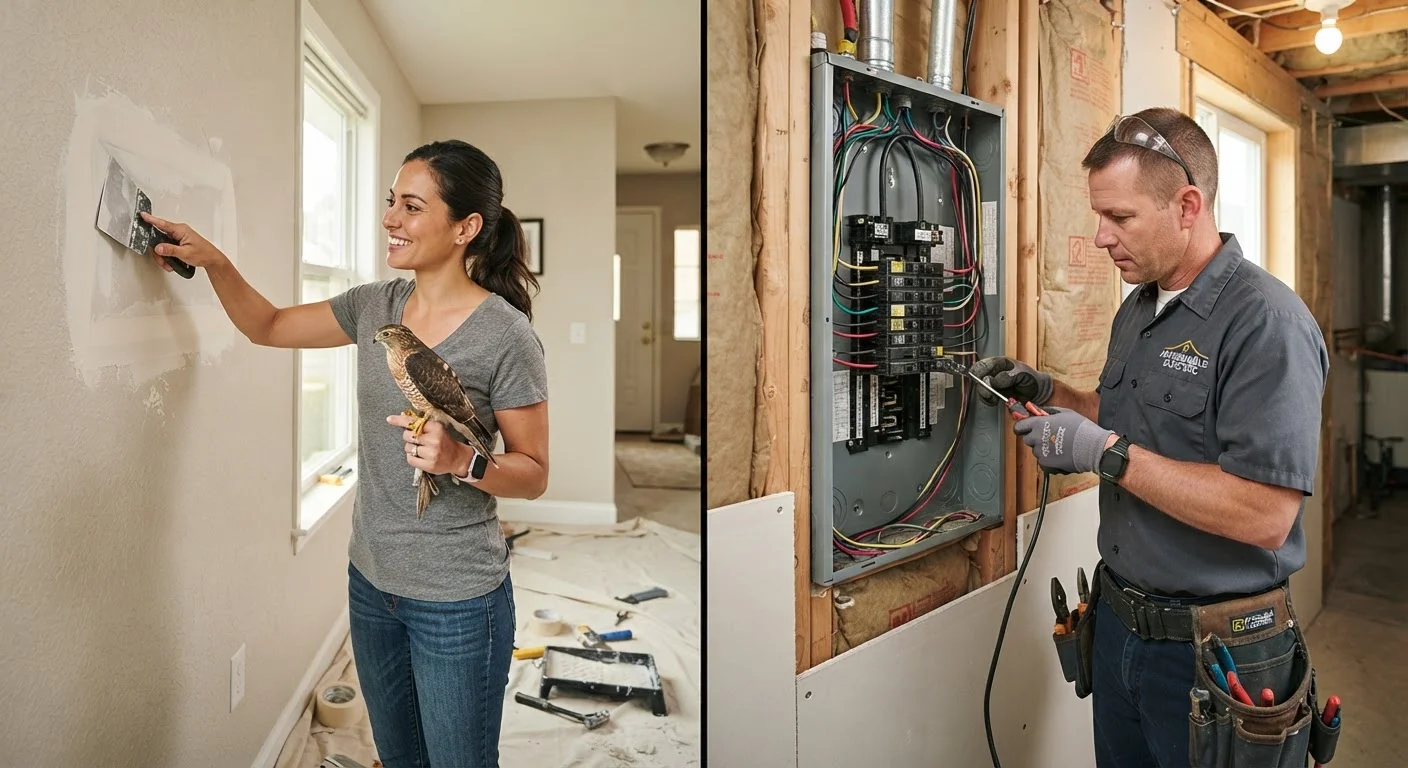
Requirements vary by municipality, but as a general rule: structural changes, electrical panel upgrades, new plumbing runs, HVAC modifications, and additions almost always require permits. Cosmetic work like painting, flooring, and cabinet replacement typically does not. When in doubt, call your local building department - they're more helpful than most homeowners expect, and checking costs nothing.
For any work that requires a licensed trade - electricians, plumbers, HVAC technicians - verify that your contractor holds the appropriate license and carries liability insurance and workers' compensation coverage in your state. Ask for certificates before work begins, not after. For broader upkeep context, the Home Maintenance hub offers guidance on keeping your home safe and functional year-round.