

Why Fall Maintenance Matters More Than You Might Think
Fall is the window between comfortable working weather and the conditions that make outdoor repairs genuinely dangerous. Ice, frozen ground, and short daylight hours don't just make tasks harder - they can turn a minor, inexpensive fix into a costly emergency. A loose shingle ignored in October can become a water-damaged ceiling by February.
This checklist is organized by system so you can work through your home methodically. Some tasks you can handle yourself on a Saturday afternoon; others - particularly anything involving your furnace, gas lines, or roof structure - are best handled by a licensed professional. We'll note which is which as you go.
For a broader view of how fall tasks fit into year-round upkeep, see our month-by-month home maintenance calendar. And if your outdoor spaces need attention too, the fall garden prep checklist covers beds, bulbs, and soil prep before the first frost.
Extension ladder
Required for safely reaching gutters and performing close-up exterior inspections at roof level.
Binoculars
Lets you inspect the roof surface from the ground without climbing, which is the safest approach for most homeowners.
Caulk gun and exterior-grade caulk
Used to seal gaps around windows, doors, and exterior penetrations to stop air and moisture infiltration.
Weatherstripping
Replacement material for worn door and window seals that no longer keep cold air out.
Pipe insulation foam sleeves
Wraps exposed pipes in unheated spaces to reduce freeze risk during cold snaps.
Multimeter or non-contact voltage tester
Useful for confirming thermostat wiring connections are intact if your heating system fails to respond.
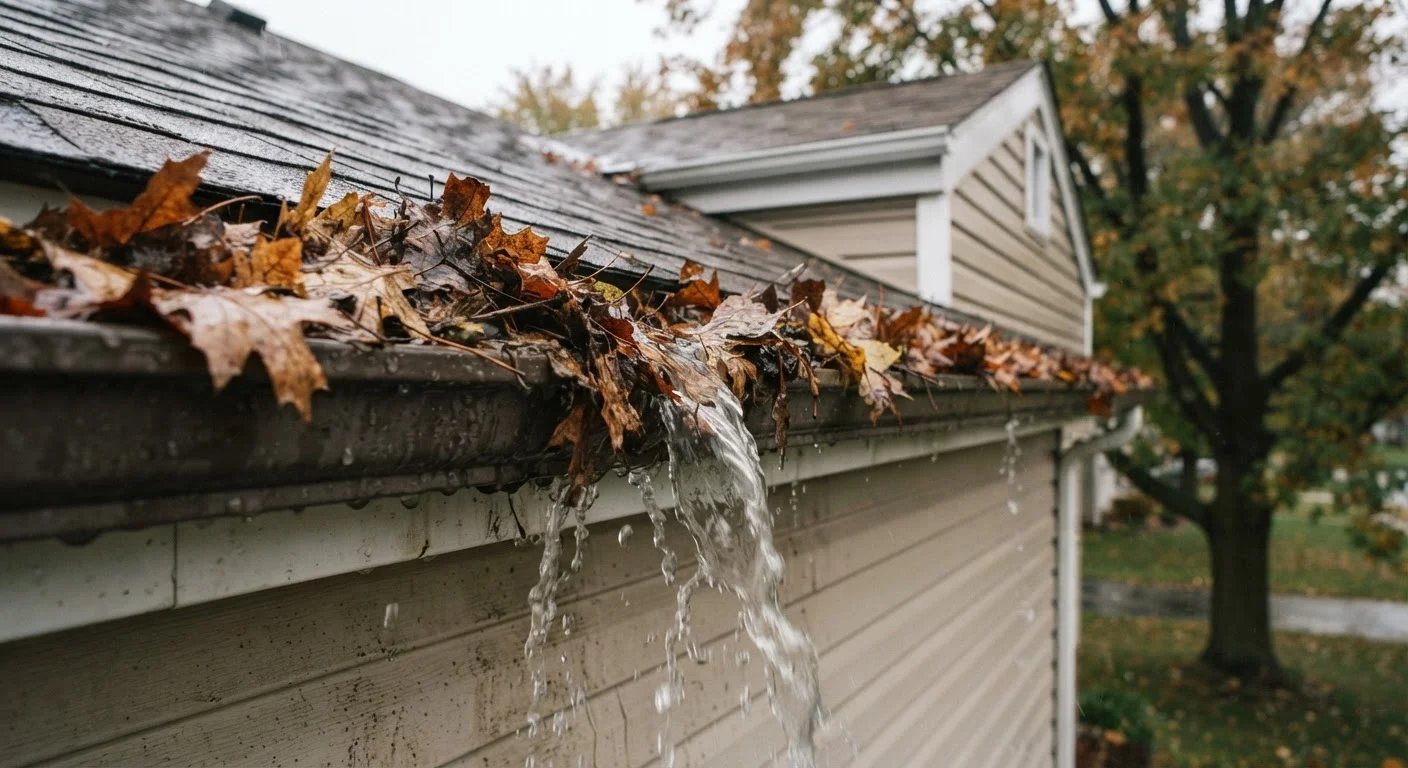
Gutter scoop or garden trowel
Makes debris removal from gutters faster and less messy than working by hand.
The Complete Fall Home Maintenance Checklist
Work through each category below before temperatures in your area regularly dip below freezing. If you're unsure of your local first-frost date, the guide to frost dates and microclimates can help you calibrate timing for your region.
Gutters & Drainage
Roof & Attic
Heating System
Plumbing & Water
Air Sealing & Energy Efficiency
Safety Systems
Gas Appliances Require a Licensed Technician
If your home is heated by a gas furnace, boiler, or any gas appliance, annual inspection by a licensed HVAC technician is strongly recommended - not optional. A cracked heat exchanger can allow carbon monoxide to enter your living space without any visible warning signs. Do not operate a gas heating system that has not been inspected if you have reason to suspect a problem; contact a qualified professional immediately.
Once you've finished, do a final walk-around of your property to note anything that needs professional attention before winter. Compare your findings this spring using our spring exterior walkthrough to see how your home held up.
When to Call a Professional
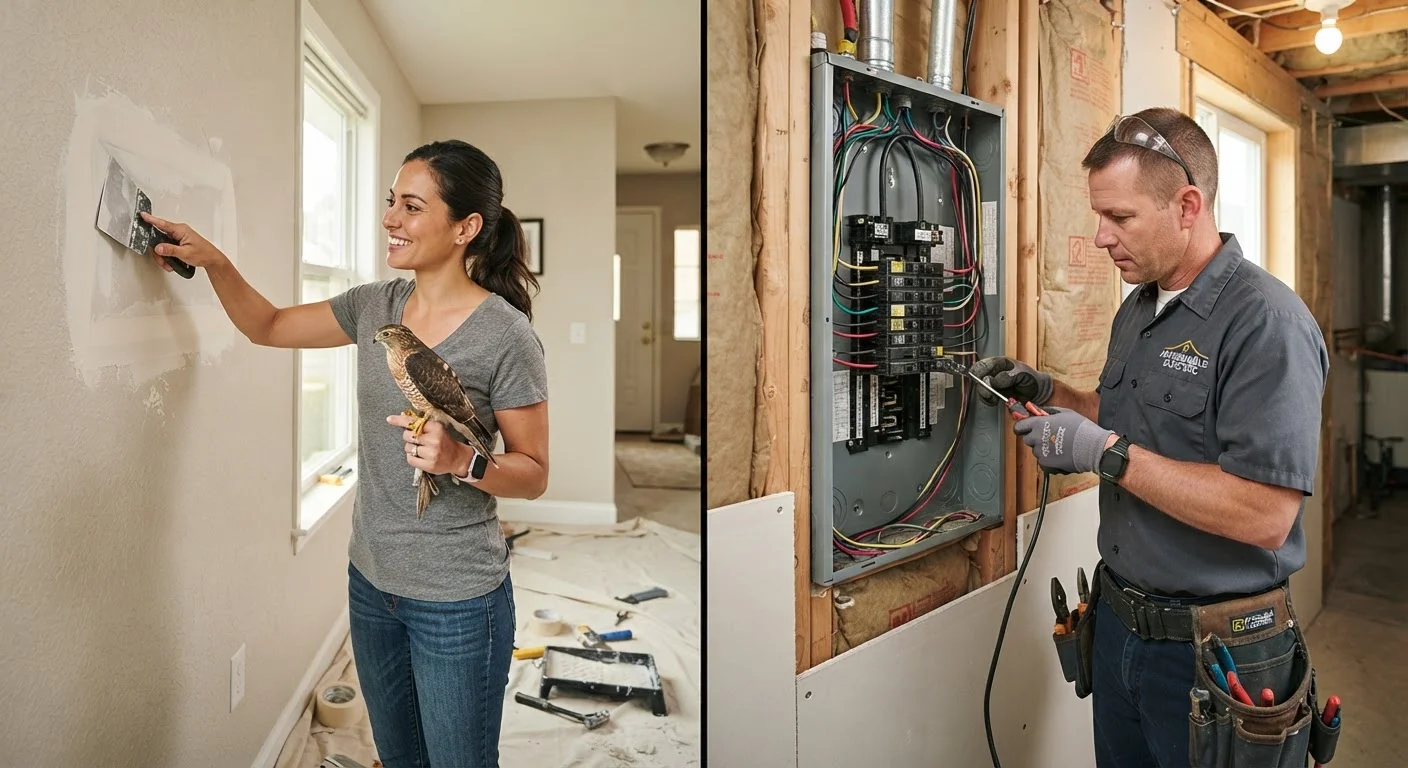
Several items on this checklist - furnace inspections, roofing repairs, gas line checks, and electrical work - fall outside safe DIY territory for most homeowners. Permits and licensed trades are often required by local code, particularly for anything touching your heating system or structural components. Always verify your local requirements before attempting significant repairs yourself.
For heating system specifics, our article on HVAC filters and furnace tune-ups explains the difference between what a homeowner can do (filter changes) and what a certified technician should handle (combustion analysis, heat exchanger inspection). Similarly, roof warning signs can help you know when a visual inspection warrants a professional evaluation. For plumbing concerns, plumbing maintenance basics covers shutoff valves and water heater upkeep that every homeowner should understand.
Never Work on a Wet or Icy Roof
Even minor roof slopes become dangerously slippery when wet, frost-covered, or icy. Limit any personal roof inspection to the ground using binoculars, and hire a licensed roofing contractor for any hands-on work. Falls from roofs are among the most common serious home-improvement injuries, and no maintenance task is worth that risk.
Attic Insulation May Contain Hazardous Materials
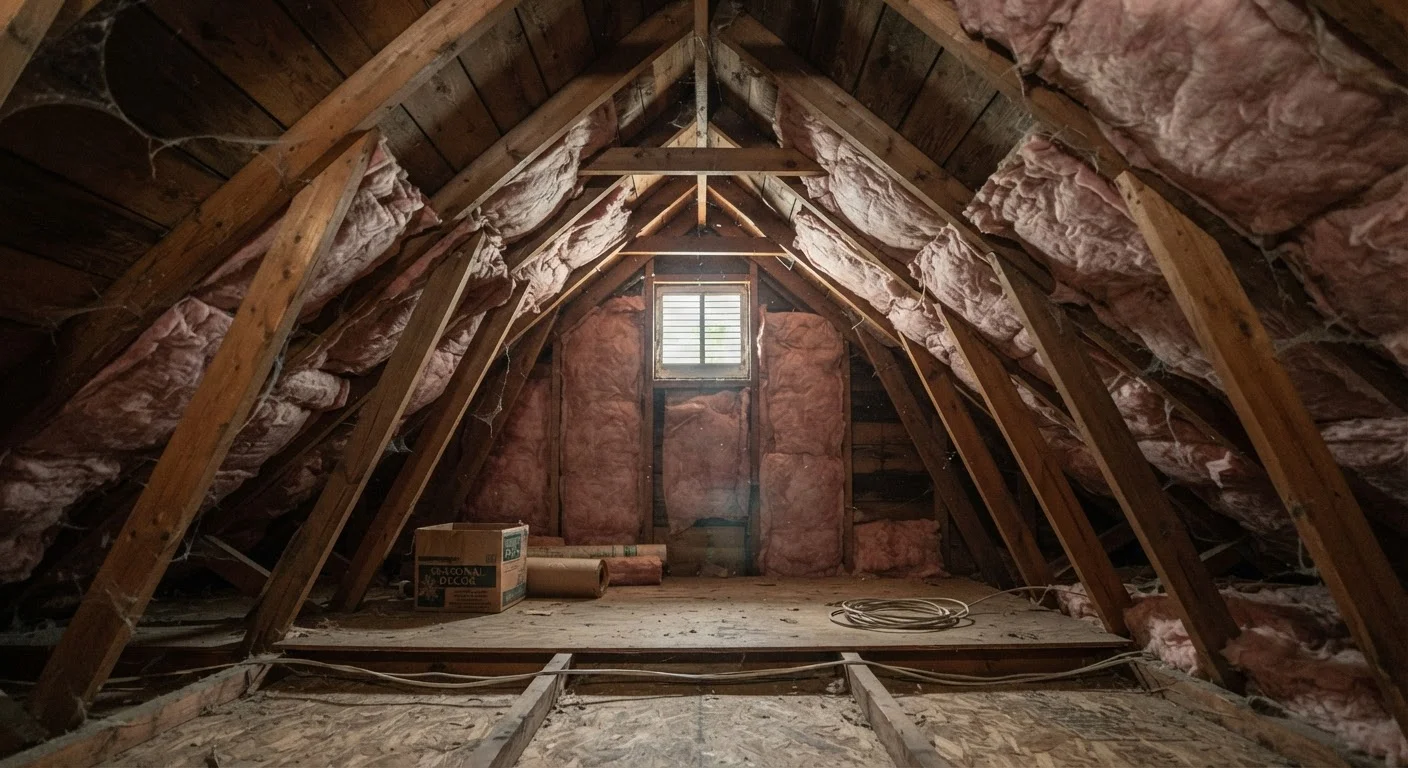
Older homes may have attic insulation containing asbestos or vermiculite that should not be disturbed. If your home was built before the 1980s and you're unsure what type of insulation is present, have it tested by a qualified professional before adding insulation or making changes. Contact your local health department or a certified environmental inspector for guidance.