
Why Home Maintenance Myths Are So Costly
Most home maintenance myths start as reasonable-sounding shortcuts. The problem is that homes are complex systems - when one part is neglected, the consequences ripple outward in ways that aren't always obvious until a repair bill lands. Understanding which common beliefs are actually false can save homeowners hundreds or thousands of dollars over time.
For a broader look at how deferred upkeep compounds into serious problems, see what deferred maintenance does to a house over time. The myths below are among the most widespread - and the most expensive to believe.
Myth
If my home is newer, I don't need to worry about maintenance for the first several years.
Fact
New construction requires maintenance from day one - settling, caulk shrinkage, and system wear begin immediately regardless of a home's age.
New homes do carry builder warranties on certain systems and structural components, but that coverage does not mean the home is maintenance-free. Caulk around windows and doors shrinks within the first year or two. HVAC filters need monthly or quarterly changes from the moment the system runs. Grading around the foundation can shift during the first few freeze-thaw cycles. Assuming a new home is on autopilot often means small issues - a hairline crack in caulk, a slightly clogged condensate drain - go unnoticed until they become expensive. Regular inspection schedules apply to new homes just as they do to older ones.
Myth
I only need to service my HVAC system when something stops working.
Fact
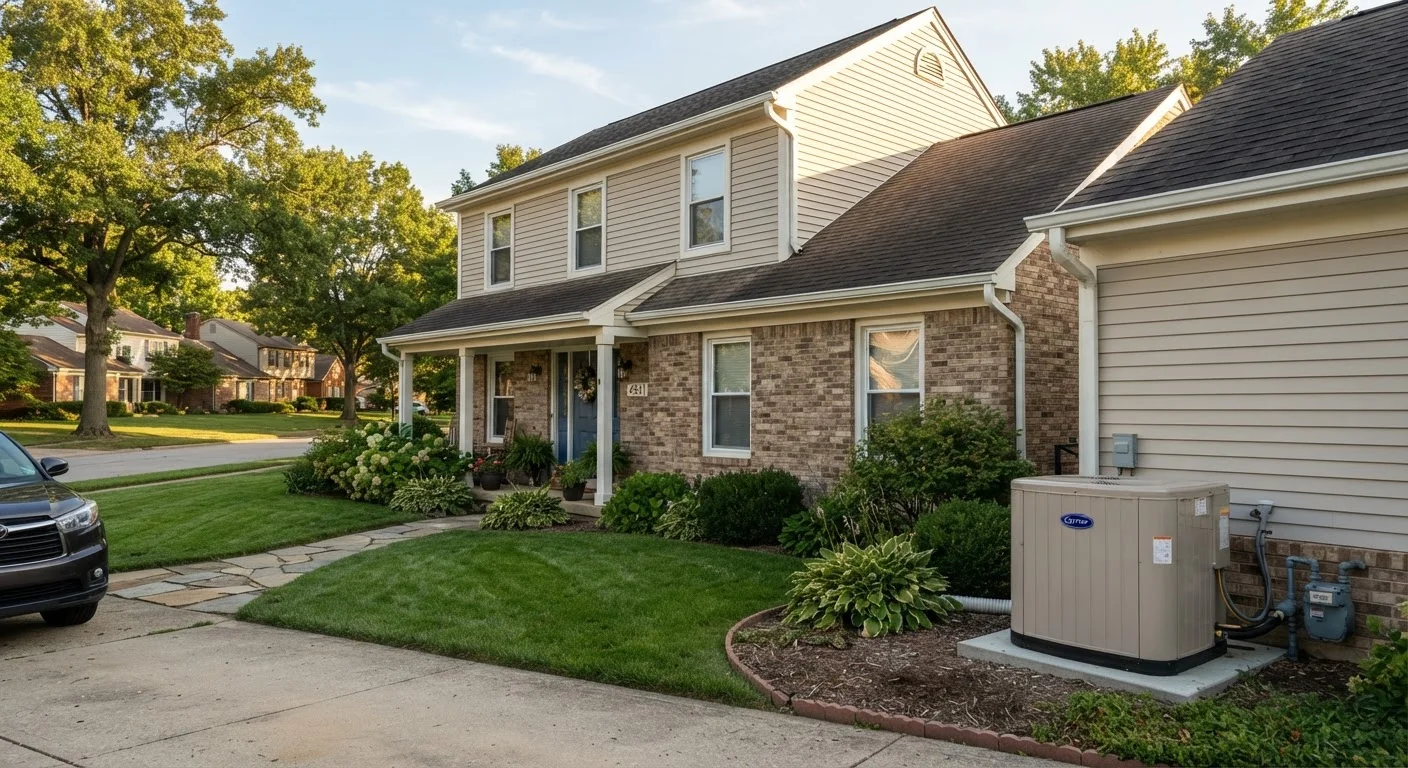
Annual professional HVAC service prevents breakdowns, extends equipment life, and keeps the system running efficiently - waiting for failure costs far more.
HVAC systems that run without annual tune-ups gradually lose efficiency, meaning they work harder and consume more energy to deliver the same comfort. Dirty coils, worn belts, and low refrigerant levels are problems a technician catches early for a modest service fee - problems that, left alone, can result in compressor failure costing several thousand dollars. Changing your filter regularly is important, but it is not the same as a professional inspection. See what HVAC filter changes and furnace tune-ups actually cover for a clear breakdown of what each task addresses.
Myth
A small roof leak or plumbing drip is a minor issue I can deal with later.
Fact
Small leaks rarely stay small - water infiltration causes mold, rot, and structural damage that grows exponentially the longer it is ignored.
Water is the most destructive force in a home, and it almost always finds more ways in once it has found one. A slow roof leak that stains a ceiling can be rotting the sheathing and rafters above it at the same time. A dripping pipe under a cabinet can silently saturate subfloor material for months before visible damage appears. Plumbing upkeep - including knowing where your shutoff valves are and how to use them - is a foundational homeowner skill. Plumbing maintenance every homeowner should understand covers the basics that help you catch these problems early.
Myth
Gutters only need cleaning if they are visibly overflowing.
Fact
Gutters can be partially clogged and functioning poorly long before water visibly spills over - and the damage from slow drainage is just as serious.
A gutter that drains slowly - rather than not at all - still allows water to pool near the fascia board, back up under shingles, and eventually direct runoff too close to the foundation. By the time overflow is obvious, damage may already be underway. Most homes in areas with deciduous trees benefit from gutter cleaning at least twice a year, in late spring and late fall. Understanding why gutters fail and how to maintain them can help homeowners stay ahead of one of the most common - and most preventable - sources of home water damage.
Myth
Painting over a crack or applying fresh caulk fixes the underlying problem.
Fact
Paint and caulk are surface treatments - they can seal a gap but do not address the cause of cracking, which may indicate moisture intrusion or structural movement.
Fresh caulk and paint make a home look maintained, and both have legitimate roles in weatherproofing and finishing. But applying them over a recurring crack without investigating the source only delays - and sometimes worsens - the underlying issue. A crack that returns in the same spot within months is communicating something: settlement, moisture cycling, or thermal movement that needs to be evaluated, not just covered. This is especially true around windows, doors, and at foundation transitions where water infiltration is most likely to occur.
Myth
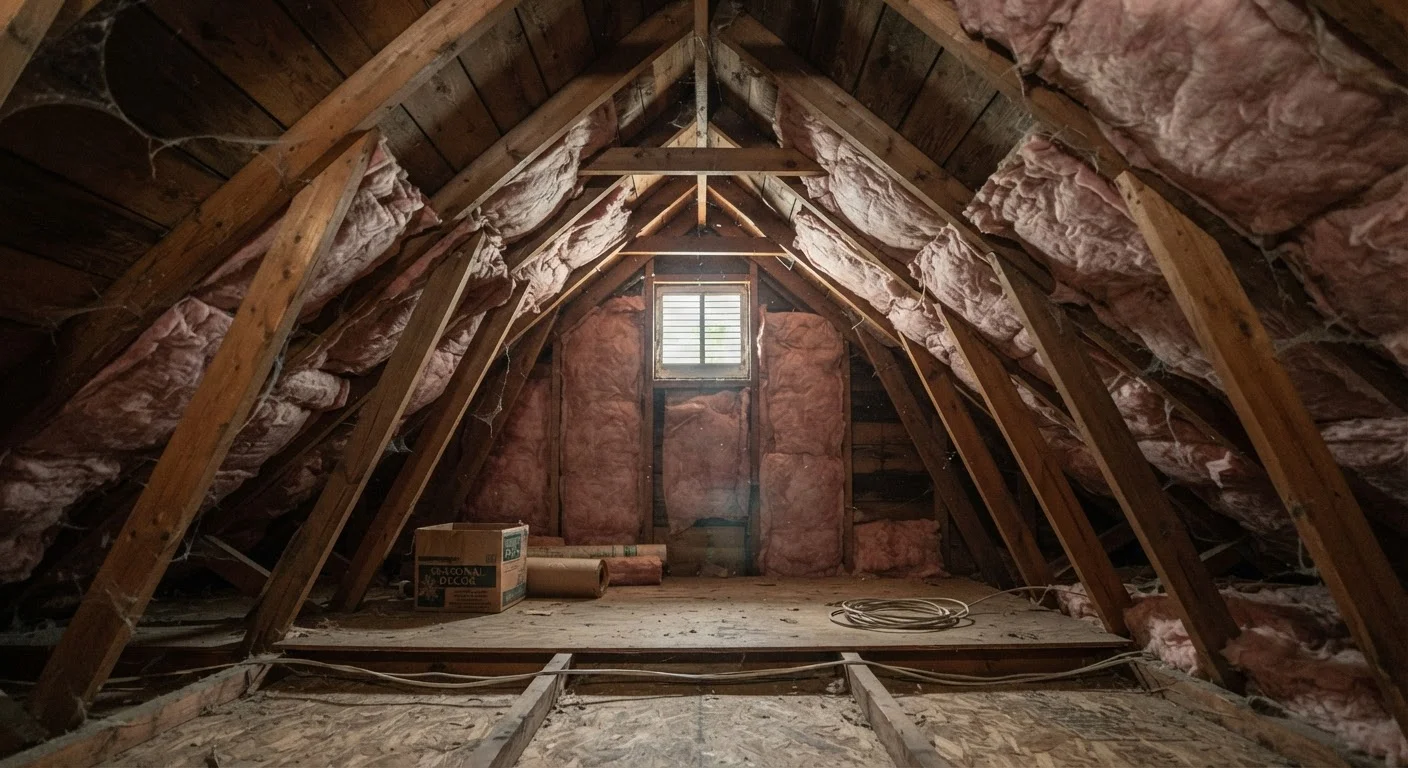
Attics and crawl spaces don't need regular attention as long as I don't see obvious problems.
Fact
Attics and crawl spaces are where moisture, pests, and ventilation problems develop quietly - regular inspection catches issues before they affect living spaces.
These out-of-sight areas are precisely where expensive problems like mold growth, insulation damage, and pest infestations tend to take hold without triggering obvious symptoms inside the home. Attic ventilation in particular has a direct impact on roof longevity and energy efficiency - poor airflow can contribute to ice dams in cold climates and excessive heat buildup in summer. See how attic ventilation protects your roof and energy bills for more. Crawl spaces and attics deserve routine inspection - at least once a year, and after any major weather event.
Building a Smarter Maintenance Approach
Debunking these myths is only half the work. The other half is replacing bad habits with consistent, realistic routines. A few practical anchors help:
- Create a maintenance calendar. A month-by-month home maintenance calendar turns vague intentions into scheduled tasks you can actually track.
- Document what you do. Keeping a home maintenance log protects warranty coverage, supports resale value, and helps you spot recurring issues before they escalate.
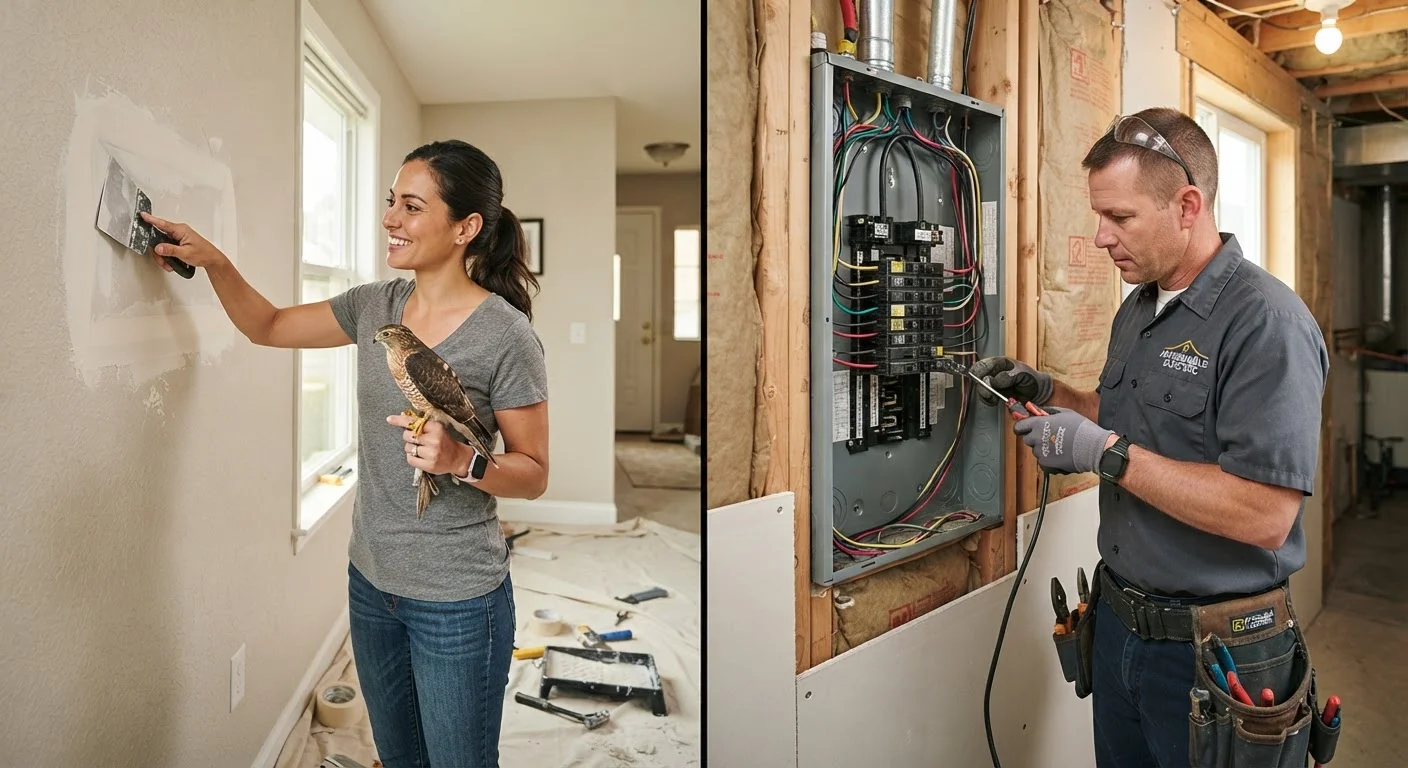
- Know your limits. Some repairs are safely DIY; others genuinely require a licensed professional. Drawing that line correctly protects both your safety and your budget.
Electrical, Gas, and Structural Work Requires Professionals
Several of the maintenance areas touched on in this article - including HVAC systems, structural cracks, and roof repairs - can involve electrical, gas, or load-bearing components. Work in these areas typically requires licensed contractors, and in many jurisdictions, permits and inspections as well. Always verify local code requirements before starting any project, and consult a qualified professional when in doubt about safety or scope.
Homeownership costs extend well beyond the mortgage payment. For a realistic picture of what routine upkeep actually costs annually, see the true annual cost of owning a home. Understanding those numbers up front is the best defense against being blindsided by a preventable repair.