
How Small Neglect Becomes Big Damage
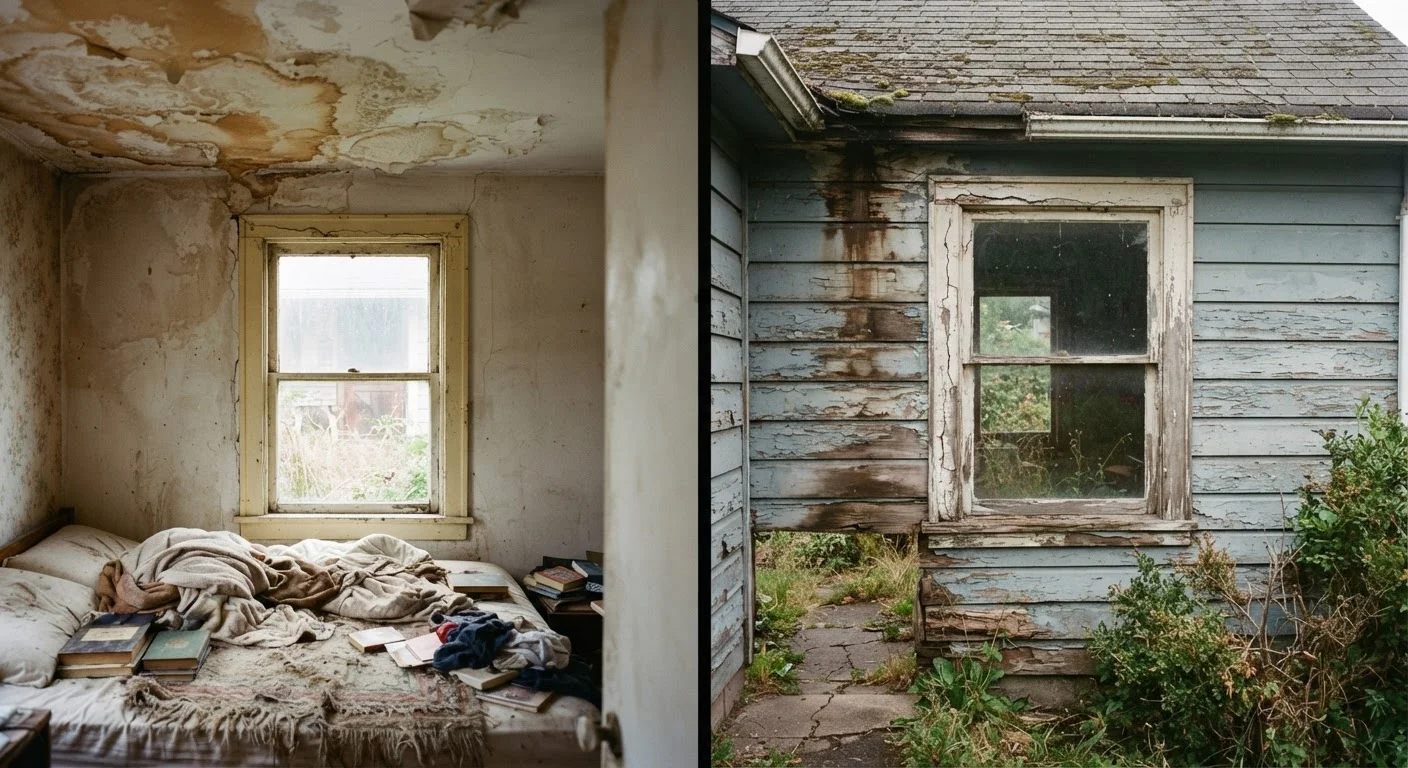
Most deferred maintenance doesn't announce itself dramatically. A slow drip under a sink, a small gap in window caulking, or a gutter that needs clearing - each feels minor, easy to put off. The problem is that homes are integrated systems. Moisture, pests, temperature swings, and gravity are all working constantly, and they exploit any unguarded weakness.
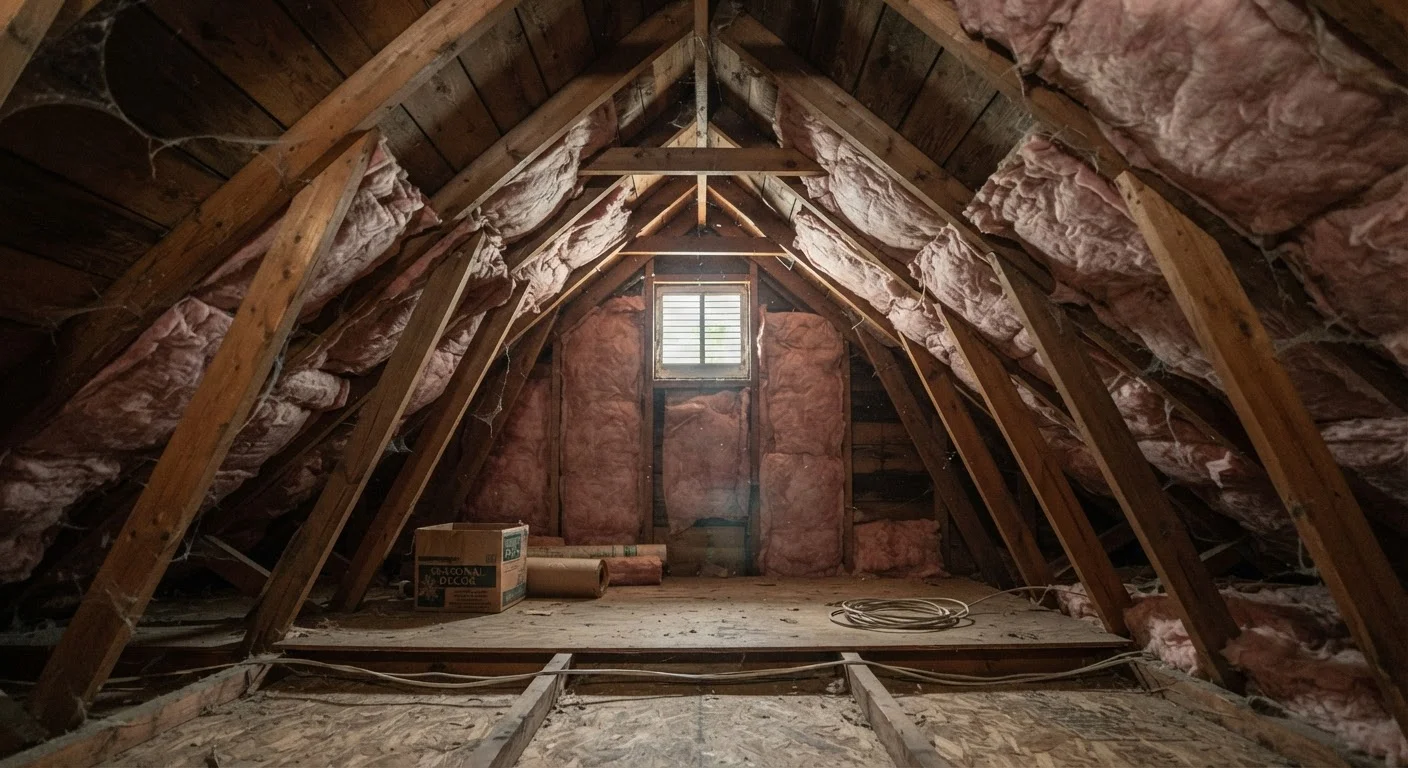
A loose shingle lets water penetrate the roof deck. Within months, the decking softens. Within a year or two, the structural rafters below can begin to rot. By then, a $300 shingle repair has escalated into a project costing several thousand dollars - and that's before accounting for any interior ceiling damage or insulation replacement. This pattern of cascading damage is the defining characteristic of deferred maintenance.
The compounding effect is also nonlinear. The longer a problem is ignored, the faster its repair cost tends to grow. A minor roof issue doesn't cost twice as much if left two years - it may cost five or ten times more once it has damaged adjacent systems.
Deferred Maintenance vs. Normal Wear
Not every sign of aging is deferred maintenance. Normal wear - such as paint fading, carpet compression, or minor caulk shrinkage - is expected and doesn't necessarily signal neglect. Deferred maintenance refers specifically to tasks that had a recommended service schedule and were skipped, allowing conditions to worsen beyond what would naturally occur.
The Systems Most Vulnerable to Neglect
Roofing and gutters are the front line of water defense. Clogged gutters cause water to back up under fascia boards and along foundations. Combined with a compromised roof surface, this creates multiple entry points for moisture into the home's envelope.
HVAC systems degrade predictably when filters aren't changed and annual service is skipped. Restricted airflow forces components to work harder, shortening equipment life and raising energy bills. A system that might have lasted 18 years with proper care may fail at 12.
Plumbing presents subtler risks. Slow leaks behind walls or under slabs often go unnoticed until mold has taken hold or a pipe fails catastrophically. Regularly inspecting accessible pipe connections, supply lines to appliances, and water heater components can catch problems early.
Exterior paint and caulking do more than provide aesthetics - they seal the building envelope. When caulking around windows, doors, and penetrations cracks and separates, it allows wind-driven rain to enter wall cavities, promoting rot and mold in locations that are invisible until opened up.
Prioritize by Consequence, Not Convenience
When deciding which deferred tasks to tackle first, work backward from consequence: what happens if this goes unaddressed for another six months? Tasks tied to water intrusion, structural integrity, or fire safety move to the top of the list. Cosmetic items - while worth addressing - can reasonably wait their turn.
Financial and Legal Consequences Homeowners Often Overlook
Beyond repair bills, deferred maintenance carries financial ripple effects. Insurance claims related to neglect - such as water damage that developed slowly over time - are frequently denied on the grounds that the homeowner failed to take reasonable preventive action. Policies generally cover sudden and accidental losses, not deterioration from lack of upkeep.
At resale, a home inspection surfaces deferred maintenance and hands negotiating leverage to buyers. Sellers either make repairs before listing, accept a lower sale price, or offer credits - all of which reduce the final proceeds. See how a maintenance log supports your home's value at resale for a practical way to document your upkeep history.
For a fuller picture of what ongoing homeownership actually costs - maintenance included - see our breakdown of annual homeownership costs beyond the mortgage.
1%-2%
Of home value recommended for annual maintenance
A widely cited rule of thumb among housing professionals suggests homeowners budget 1% to 2% of their home's value each year for upkeep and repairs.
4-10×
Cost multiplier when minor repairs are ignored
Home repair professionals commonly observe that small defects left unaddressed - particularly water-related ones - can cost four to ten times more once secondary damage is factored in.
~35%
Of home inspection findings tied to deferred maintenance
Industry observers in home inspection note that a significant share of findings on standard buyer inspections relate to routine maintenance tasks that were not completed on schedule.
Building a Habit of Preventive Care
The antidote to deferred maintenance is consistent, scheduled attention - not major overhauls. Most homeowners find that breaking upkeep into monthly or seasonal tasks makes it manageable rather than overwhelming. Our month-by-month home maintenance calendar walks through exactly what to check and when, so nothing falls through the cracks.
It also helps to understand which widely held assumptions about home care are wrong. Common home maintenance myths - like assuming a newer home needs no upkeep - lead directly to the kind of deferred maintenance that compounds into expensive repairs.
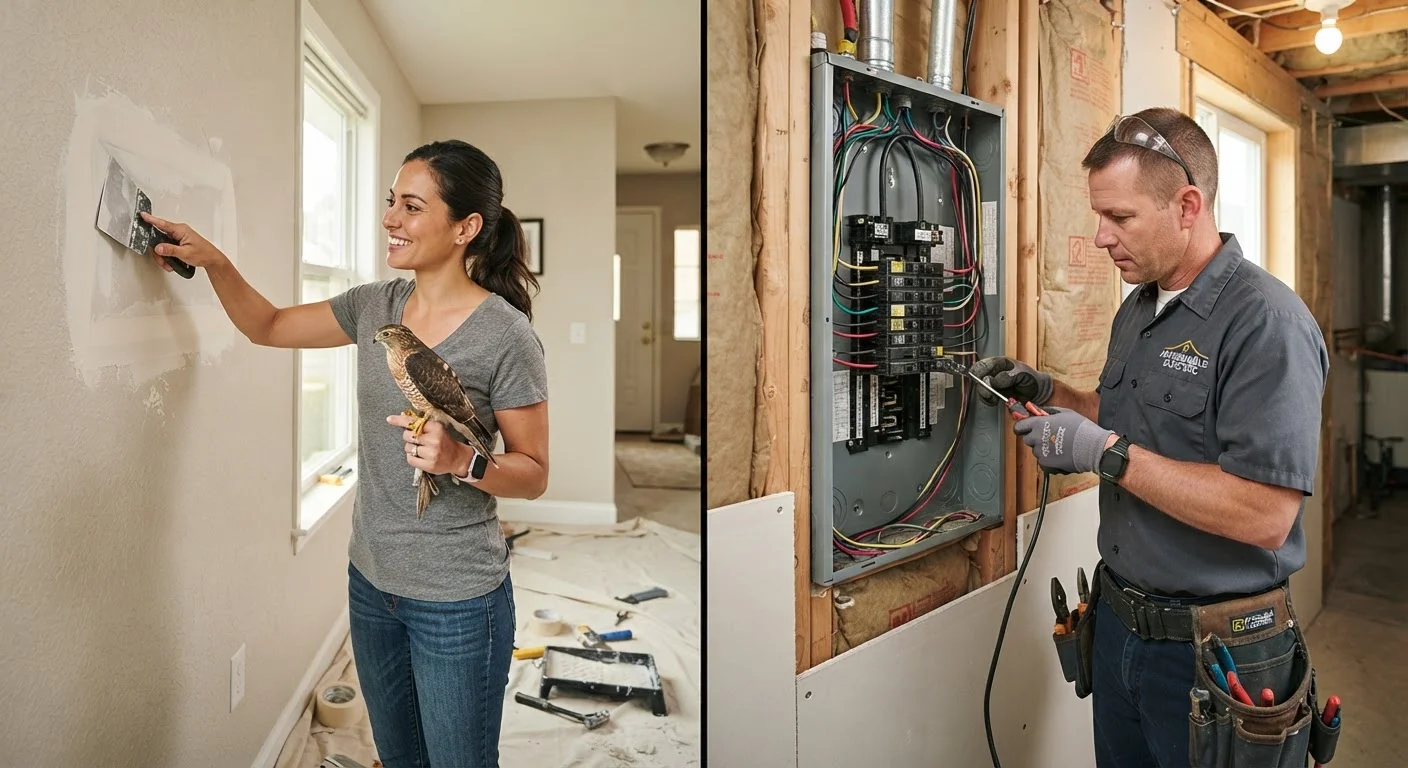
Finally, when a task is genuinely beyond your skill set or involves electrical, structural, gas, or permitted work, the right call is always to contact a licensed professional rather than defer it indefinitely. A short delay while scheduling a qualified contractor is very different from indefinite avoidance - and far safer.