
What Resource Guarding Actually Is
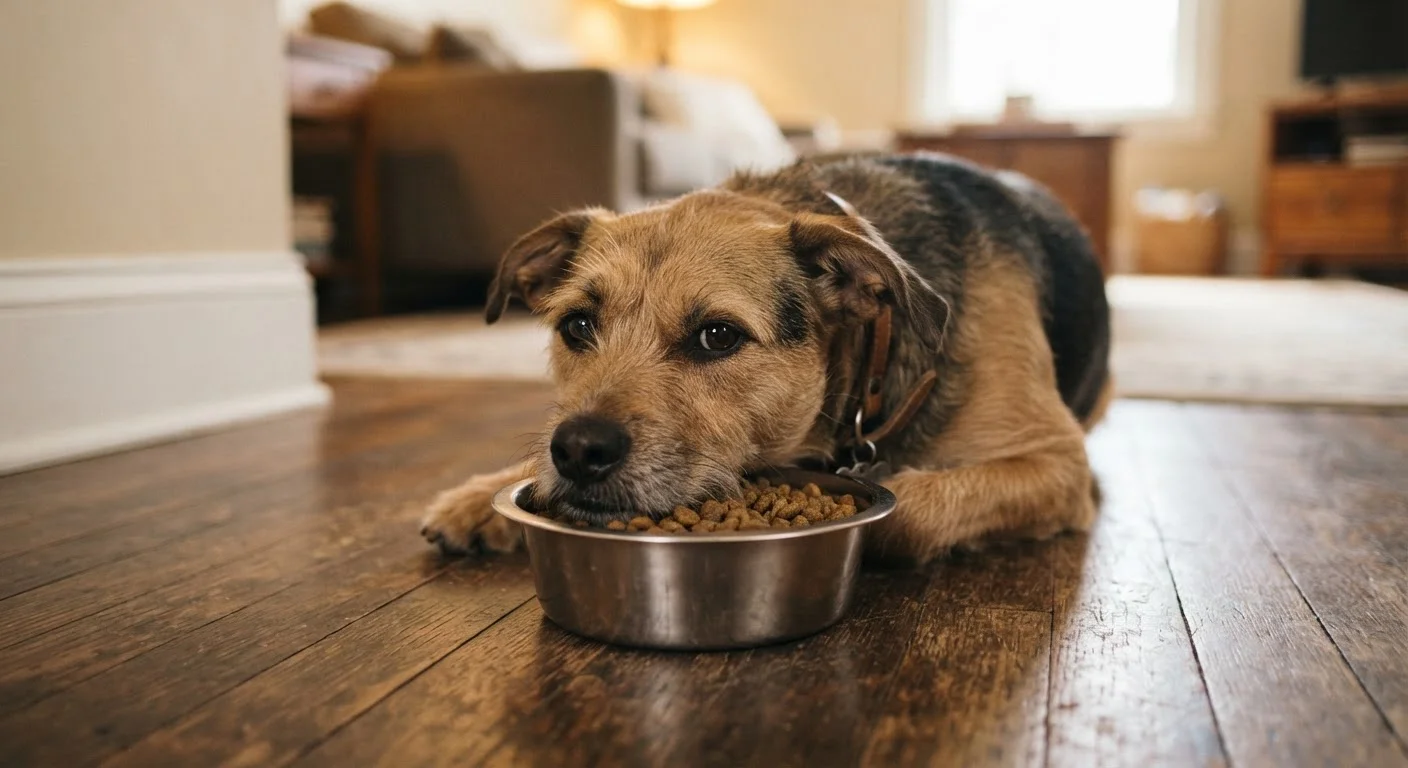
Resource guarding occurs when a dog uses threatening behaviors - stiffening, growling, snapping, or biting - to signal that it doesn't want another individual near something it values. That "something" can be food, toys, resting spots, water bowls, or even a specific person.
From an evolutionary standpoint, this behavior makes complete sense. Dogs' wild ancestors needed to protect food and shelter to survive. The behavior persists in domestic dogs even when there's no real scarcity. This is a key point: guarding is not a sign of a "bad" or defective dog. It's a deeply ingrained biological response.
That said, guarding behavior exists on a spectrum. Mild guarding - a dog that eats faster when someone walks by - is common and usually manageable. At the more serious end, a dog that snaps or bites when approached can pose a genuine safety risk. Understanding where your dog falls on that spectrum is the first step toward responding appropriately. For context on how this compares to other canine instincts, see our article on territorial behavior vs. aggression in dogs.
Never Punish Growling Away
A growl is your dog's warning signal - suppressing it through punishment doesn't eliminate the underlying discomfort, it just removes the warning. A dog that has been punished for growling may skip that signal and go straight to snapping. Preserve the growl as valuable communication while you work on the root behavior.
What You Need Before You Begin
Before attempting any behavior modification, gather the right information and tools. Understanding your dog's specific triggers and baseline temperament is essential - guessing can backfire.
What you will need
High-value training treats
Used to create positive associations with human approach during counter-conditioning exercises.
Baby gate or exercise pen
Used to separate pets during feeding or to limit access to guarded areas and reduce rehearsal of guarding behavior.
Behavior log or notebook
Helps track triggers, intensity, and progress over time so you can identify patterns and adjust your approach.
Certified animal behaviorist consultation
Provides professional assessment and a customized behavior modification plan, especially for severe or escalating cases.
Step-by-Step: How to Respond Safely
The following steps reflect approaches grounded in positive reinforcement and behavior science. Progress takes time and consistency - don't expect overnight results.
Identify your dog's specific triggers
Keep a brief log over several days. Note which resources your dog guards, who or what triggers the behavior (people, other pets, strangers), and the intensity of the response. A clearer picture of the pattern helps you avoid setting off guarding reactions while you work on a plan.
Stop using punishment-based responses immediately
Scolding, grabbing items away forcefully, or using physical corrections when a dog guards typically escalates the behavior. The dog learns that human approach = threat, which deepens the guarding response. Remove punishment from your toolkit entirely before moving to the next steps.
Practice "approach equals good things" counter-conditioning
Begin by walking calmly near your dog while it has a low-value item, then tossing a high-value treat toward it (not directly to hand) without stopping or reaching for the item. Repeat many times over multiple sessions. The goal is to create a new association: a person approaching the resource predicts something positive arriving, not something being taken away.
Introduce a "trade" or "drop it" cue
Offer your dog a high-value treat in exchange for the item it's holding. Present the treat, let the dog sniff it, and when it releases the object, reward immediately. After the trade, return the original item to reinforce that trading doesn't mean permanent loss. Practice this regularly with low-stakes items before working up to higher-value ones.
Manage the environment to prevent rehearsal
Every time your dog successfully guards a resource, the behavior is reinforced through practice. Reduce opportunities: feed pets separately, pick up high-value items when guests arrive, and use baby gates or exercise pens to create safe zones. A safer home setup supports your training goals - some practical ideas also overlap with creating a safe home environment for animals.
Build consistent, predictable daily routines
Dogs that experience reliable feeding schedules, structured exercise, and predictable household rhythms often show reduced anxiety-based behaviors overall. Consistency signals to your dog that resources will always be available, which can gradually reduce the urgency behind guarding responses.
Progress Is Rarely Linear
It's normal for a dog to have setbacks during behavior modification - a stressful event or change in routine can temporarily increase guarding. Don't interpret a bad day as failure. Simply return to an easier stage of training and rebuild momentum. Steady, low-pressure repetition over weeks and months is what produces lasting change.
When to Seek Professional Help
Not all resource guarding can or should be managed through owner-led training alone. If your dog has already bitten someone, if guarding behavior is escalating, or if you have young children in the home, consulting a certified applied animal behaviorist (CAAB) or a veterinary behaviorist is the responsible next step. These professionals can assess your specific situation and design a behavior modification plan tailored to your dog.
It's also worth examining whether any well-meaning habits in your household might be inadvertently reinforcing anxious or territorial responses - our guide on well-intentioned habits that can harm your pet covers some surprisingly common examples. Similarly, if your dog shows signs of stress when you leave the house as well as when guarding, separation anxiety may be a concurrent issue worth exploring with your vet.
This article is for general informational purposes only and does not constitute professional veterinary or behavioral advice. Always consult a qualified veterinarian or certified animal behaviorist for guidance specific to your dog's needs.