
Why Feeding Frequency Matters
How often you feed your pet is just as important as what you feed them. Frequency affects digestion, blood sugar stability, behavior, and long-term weight management. A dog that eats once a day faces very different metabolic demands than a rabbit that needs near-constant access to hay. Getting the schedule right reduces the risk of obesity, bloat, binge eating, and nutritional deficiencies.
For guidance on how food type interacts with feeding schedules, see our primer on life-stage formulas and feeding frequency.
Feeding Schedules by Species
Dogs
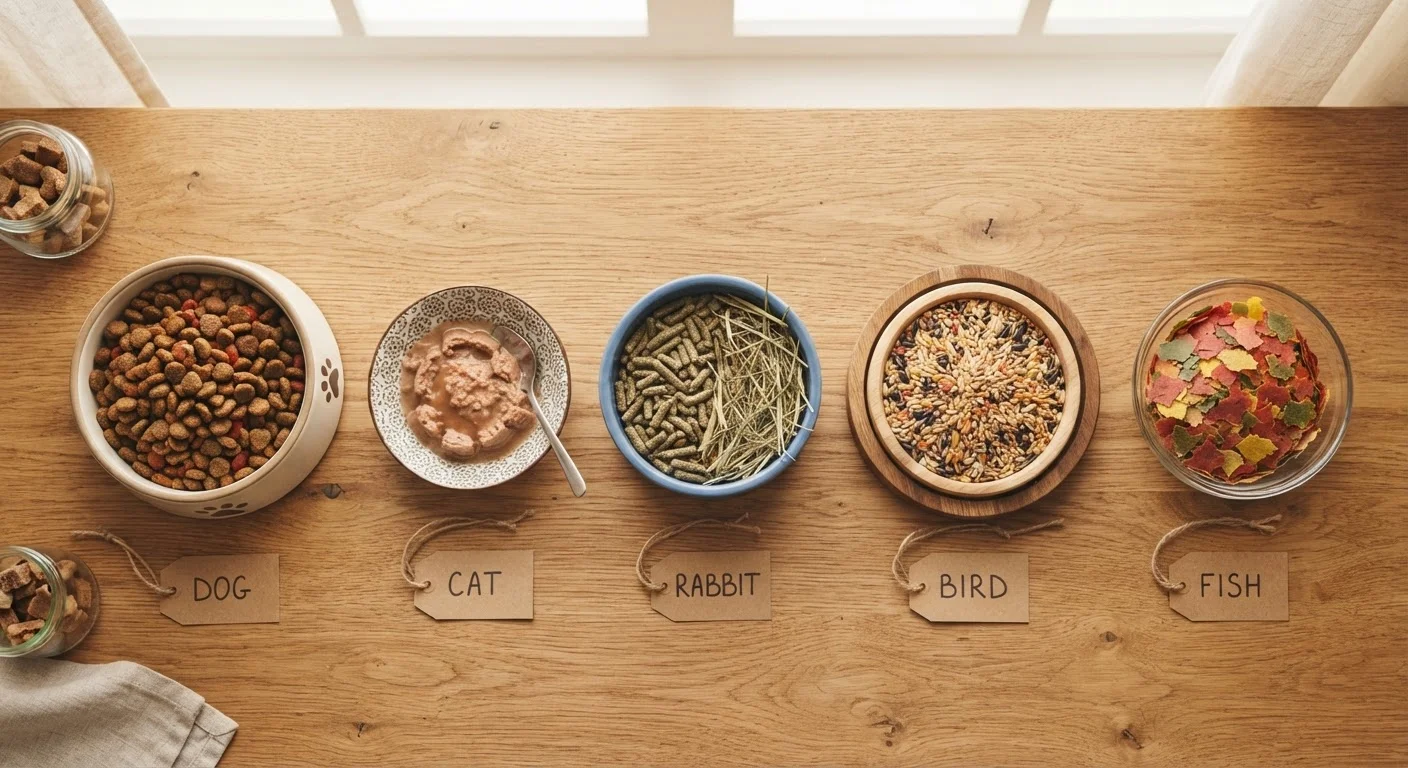
Most adult dogs do well with two meals per day - morning and evening. Puppies under six months typically need three to four smaller meals daily to support rapid growth and maintain blood sugar. Large and giant breeds may benefit from divided meals to reduce the risk of bloat (gastric dilatation-volvulus), a potentially life-threatening condition. Free-feeding - leaving food out all day - is generally discouraged for dogs, as it makes portion control difficult and can contribute to weight gain.
Cats
Adult cats are often fed twice daily, though some owners use puzzle feeders or timed dispensers to offer smaller amounts more frequently, which better mimics a cat's natural hunting pattern. Kittens need three to four meals daily. Free-feeding dry food is common but can lead to overeating. For a deeper comparison of food formats, explore our look at dry food vs. wet food.
Rabbits
Rabbits have a uniquely sensitive digestive system that requires continuous access to fresh hay - this should make up about 80% of their diet. Leafy greens can be offered once or twice daily, and pellets, if used, should be portioned and offered once daily. Interrupting hay access even briefly can disrupt gut motility. Whether kept indoors or outdoors affects how easily you can monitor hay supply; see our overview of indoor vs. outdoor pet considerations.
Birds
Most companion birds - such as parakeets, cockatiels, and conures - benefit from fresh food offered once or twice daily, with a clean supply of pellets or seeds available throughout the day. Uneaten fresh foods (fruits, vegetables, cooked grains) should be removed within a few hours to prevent spoilage. Larger parrots may have more complex dietary needs, so consult an avian veterinarian for species-specific guidance.
Fish
Most freshwater and tropical fish should be fed once or twice daily, with only as much food as they can consume in two to three minutes. Overfeeding is one of the most common mistakes in fish care - uneaten food decays and degrades water quality rapidly. Some species, like goldfish, are prone to overeating and do well with a single small daily feeding. Bottom-dwellers may need sinking pellets timed to reach them after surface feeders have eaten.
When to Revisit Your Pet's Schedule
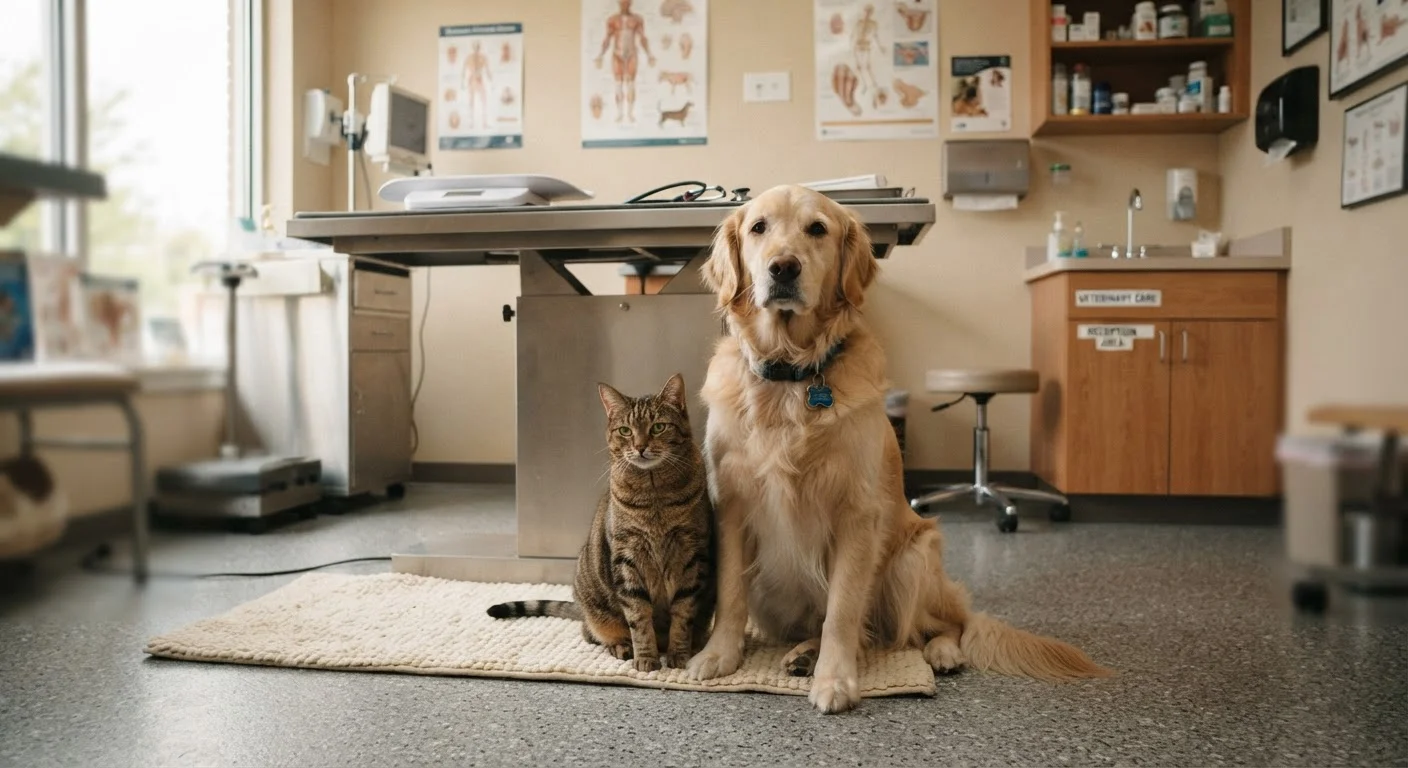
Life-stage changes - such as spaying or neutering, pregnancy, senior status, or illness - can significantly shift how much and how often your pet needs to eat. Weight gain, lethargy, or changes in eating behavior are all reasons to check in with your veterinarian. A feeding plan that worked for a young, active pet may need adjusting as they age. Regular wellness visits are the best opportunity to reassess nutritional needs. See our comparison of preventive care needs for cats and dogs for more context.
Feeding recommendations here represent general educational guidelines. Always consult your veterinarian to tailor a feeding plan to your specific pet's age, weight, health status, and species.