
Why Dental Disease Goes Undetected for So Long
Dental disease in pets is remarkably easy to miss. Unlike a limp or a skin rash, oral pain in dogs and cats rarely produces dramatic behavioral changes. Most pets continue eating, playing, and behaving normally even when they have significant gum infection or tooth decay. Their instinct to suppress signs of pain - rooted in survival behavior - makes owners and even veterinarians work harder to catch what's happening inside the mouth.
Plaque forms on tooth surfaces every day. Without regular removal, it mineralizes into tartar within days, creating a rough surface that harbors bacteria. That bacteria works its way beneath the gumline, triggering an inflammatory response that damages the soft tissue and eventually the underlying bone. By the time a pet shows outward symptoms - dropping food, pawing at the face, noticeably bad breath - the disease is often in an advanced stage.
This is why dental health belongs in the same category as parasite prevention and vaccinations: it requires consistent, proactive attention rather than a reaction to obvious symptoms. Our guide on annual vet visits explains how routine exams catch these silent problems before they escalate.
~80%
Dogs showing dental disease signs by age 3
The American Veterinary Medical Association cites periodontal disease as one of the most common clinical conditions seen in adult dogs.
70%+
Cats with some periodontal disease by age 3
Veterinary dental guidelines consistently note that most cats develop clinically significant oral disease by their third year of life.
Stage 1-2
Disease stage when treatment is most reversible
Early-stage gingivitis can be reversed with professional cleaning and home care, while Stages 3-4 involve permanent bone and tissue loss.
What Happens When Dental Disease Is Left Untreated
The consequences of untreated periodontal disease extend well beyond the mouth. As infection deepens below the gumline, bacteria can enter the bloodstream through inflamed gum tissue. Veterinary research has linked chronic oral infection to changes in the kidneys, liver, and cardiac tissue in dogs and cats, though the precise causal mechanisms are still being studied. What is clear is that the mouth is not an isolated system - sustained bacterial load has systemic consequences.
Locally, advanced periodontal disease causes bone resorption around tooth roots, leading to loose teeth, abscesses, and pain that only becomes visible once a significant threshold is crossed. In small and toy breeds - which are disproportionately prone to dental crowding - this progression can happen faster than owners anticipate.
Small Breeds Face Higher Dental Risk
Toy and small-breed dogs - such as Chihuahuas, Yorkshire Terriers, and Dachshunds - are particularly prone to severe periodontal disease due to dental crowding relative to jaw size. Their teeth are more likely to trap plaque and develop disease earlier and faster than in larger breeds. If you have a small-breed dog, discuss a proactive dental care plan with your veterinarian early in your pet's life.
Catching disease early is far less invasive and typically less costly than treating it at an advanced stage. Incorporating a quick look at your pet's gumline into your regular home checks is a practical starting point. Our at-home health monitoring guide walks through how to do this systematically.
Prevention: What Actually Works
Tooth brushing is the most evidence-supported tool available to pet owners. Daily brushing with a pet-safe toothpaste disrupts plaque before it has a chance to mineralize. The technique matters more than the tool: focus on the outer surfaces of the upper teeth, where plaque accumulates most, and use gentle circular or back-and-forth strokes along the gumline. Most pets can be gradually conditioned to tolerate brushing if introduced slowly and paired with positive reinforcement.
Veterinary oral health councils, including the Veterinary Oral Health Council (VOHC), evaluate dental products - including certain chews, rinses, and diets - that meet defined standards for plaque or tartar reduction. Look for the VOHC seal of acceptance as a credible benchmark when evaluating supplementary options. These products support, but do not replace, brushing and professional care.
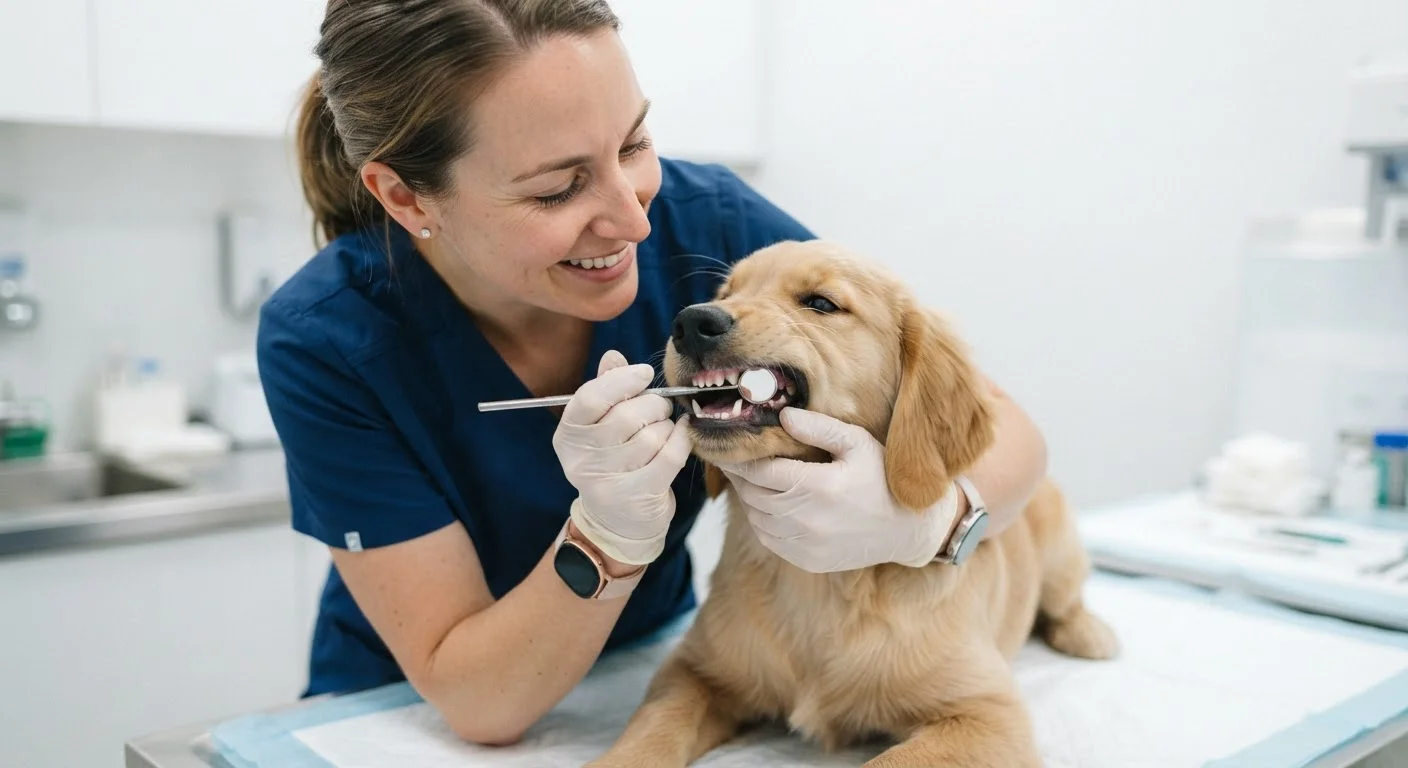
Professional dental cleanings performed under general anesthesia allow veterinarians to probe beneath the gumline, take dental radiographs (X-rays), and treat or extract compromised teeth. This cannot be replicated at home or through anesthesia-free cleanings. Your veterinarian will recommend a cleaning schedule based on your pet's individual risk factors, which vary by species, breed, age, and home care consistency.
It is also worth reviewing whether any well-meaning habits in your care routine might be creating unintended dental risk. Our article on habits that can quietly undermine pet health covers several common examples worth knowing about.
This article is for general informational and educational purposes only and does not constitute veterinary advice. Always consult a licensed veterinarian for guidance specific to your pet's health needs.