
What Vets Are Actually Looking For
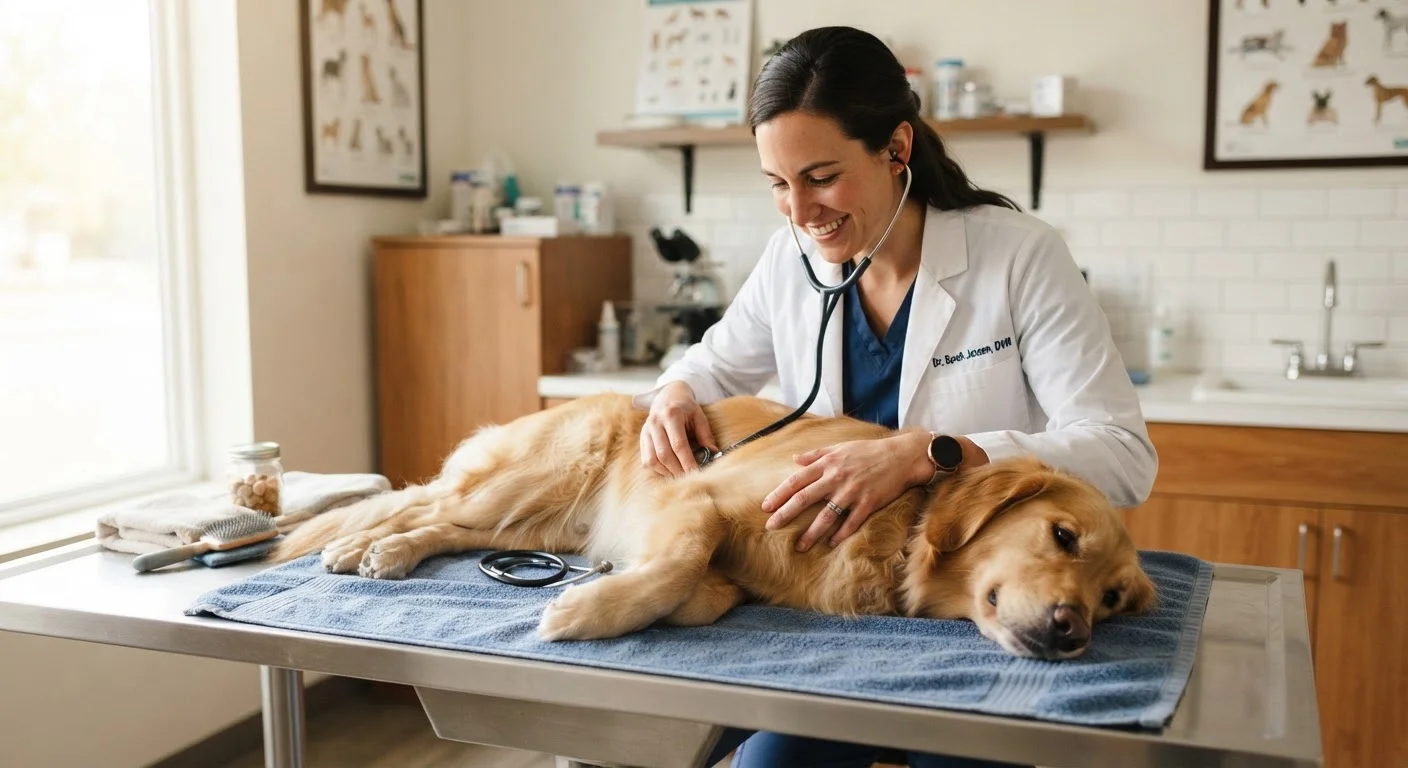
Most pet owners associate a vet visit with vaccines or treating a specific problem. In reality, a routine wellness exam is a structured, head-to-tail assessment designed to uncover what you can't easily see at home.
During a standard checkup, your veterinarian will typically evaluate:
- Weight and body condition score - gradual weight loss or gain can signal metabolic, dental, or organ-related issues
- Eyes and ears - early signs of infection, inflammation, or pressure changes
- Teeth and gums - periodontal disease is one of the most common and underdiagnosed pet conditions; see why dental health matters for more detail
- Heart and lungs - a stethoscope can detect murmurs or abnormal breathing patterns before symptoms develop
- Abdomen - palpation can reveal organ size changes, masses, or discomfort
- Skin, coat, and lymph nodes - early indicators of allergies, infection, or systemic illness
- Joints and mobility - especially important as pets age
For a detailed walkthrough of the exam sequence, see what actually happens during a wellness visit.
~80%
Dogs showing dental disease signs by age 3
According to the American Veterinary Medical Association, the majority of dogs show evidence of periodontal disease by age three - a condition typically caught during routine wellness exams.
1 in 3
Pets with a hidden health issue at each exam
Veterinary industry estimates suggest that approximately one in three pets brought in for routine wellness visits has a previously undetected health condition identified during that appointment.
7x
Human years equivalent to one pet year (senior pets)
Because pets age faster than humans - particularly in their senior years - a single skipped annual exam can represent a significant gap in health monitoring relative to their biological aging rate.
Why 'Healthy-Looking' Isn't the Whole Story
Pets are biologically wired to mask discomfort - a survival instinct inherited from their wild ancestors. By the time an owner notices something is off, a condition may have been developing quietly for months.
Kidney disease in cats, for example, typically causes detectable changes in organ function well before a pet shows thirst, weight loss, or lethargy. Similarly, heart murmurs can be present for years without obvious symptoms. Annual bloodwork and physical assessment give your vet data points that a single sick visit cannot provide.
That year-over-year comparison is one of the most underappreciated benefits of consistent annual care. A vet who sees your pet every year can spot a subtle shift in kidney values, body weight, or coat quality that would be invisible to a vet meeting the animal for the first time.
A five-year-old cat appears completely normal - eating well, active, and social. During her annual exam, the vet detects a slight heart murmur that wasn't present the previous year.
A seven-year-old Labrador Retriever's routine bloodwork shows mildly elevated kidney values during his annual wellness exam, even though he's showing no signs of illness.
During a wellness exam, a vet notices that a three-year-old dog has significant tartar buildup and early gum inflammation despite the owner being unaware of any dental problems.
Preventive Care Is Part of the Visit Too
Annual exams aren't just about diagnosis - they're also when your veterinarian reviews and updates your pet's preventive care plan. This typically includes vaccine status, heartworm testing, flea and tick prevention, and intestinal parasite screening.
For a comprehensive look at what preventive protocols involve and why each matters, see our plain-language overview of vaccinations and parasite control.
Your vet may also discuss nutrition, dental hygiene, and whether your pet's lifestyle or age warrants any changes to their current routine. Spay/neuter status and its longer-term health implications may come up as well - research on spaying and neutering goes beyond birth control in ways worth understanding.
Make the Most of Every Appointment
Before your pet's wellness visit, jot down any behavioral changes, appetite shifts, new lumps, or changes in water intake or bathroom habits - even if they seem minor. These observations give your vet valuable context that a physical exam alone can't provide. Bringing a written list ensures you don't forget details in the moment.
Adjusting Visit Frequency Across Life Stages
Once-a-year is a useful baseline for healthy adult pets, but it isn't a universal rule. Puppies and kittens typically follow a more intensive early-visit schedule for vaccines and developmental monitoring. Senior pets - generally dogs and cats over seven years old - often benefit from biannual exams because age-related conditions can progress quickly.
Health needs shift significantly across a pet's life stages, and your vet is the best resource for calibrating a visit schedule that fits your pet's current phase.
Between appointments, building an at-home monitoring habit can help you notice changes sooner. A simple at-home health monitoring routine - checking weight, coat, gums, and behavior regularly - gives you a meaningful baseline and helps you arrive at each vet visit with useful observations.
This article is for general informational purposes only and is not a substitute for professional veterinary advice. Always consult a licensed veterinarian for guidance specific to your pet's health needs.