
Why This Decision Is Harder Than It Looks
Ask a simple question - tablet or laptop? - and you'll get complicated answers. That's partly because both devices have improved dramatically, and partly because manufacturers market tablets as laptop replacements even when they aren't quite there yet for everyone.
The honest framing: tablets and laptops aren't competing for the same job. They're built around different assumptions about how you'll use them. Sorting out which fits your life means getting clear on your actual habits, not the habits you think you should have.
If you're thinking about how a device fits into a broader home setup, the room-by-room home tech guide is a useful companion read.
What Laptops Do Well
Laptops are designed for sustained, varied work. A full physical keyboard, a trackpad, a file system you can dig into, and the ability to run multiple applications side-by-side - these aren't minor conveniences. For anyone writing documents, managing spreadsheets, editing photos or video, or doing anything that requires jumping between several open windows, a laptop is generally the more capable tool.
Software compatibility is another real advantage. Many professional and specialized programs are only available - or only fully functional - on laptop or desktop operating systems. If your work or school requires specific software, check compatibility before assuming a tablet will cover it.
Do a Quick Habit Audit First
Before comparing specs, spend five minutes writing down what you actually used a device for in the past week. Most people find the list is dominated by two or three core activities. Matching a device to those habits - not to aspirational ones - tends to produce the most satisfying outcome.
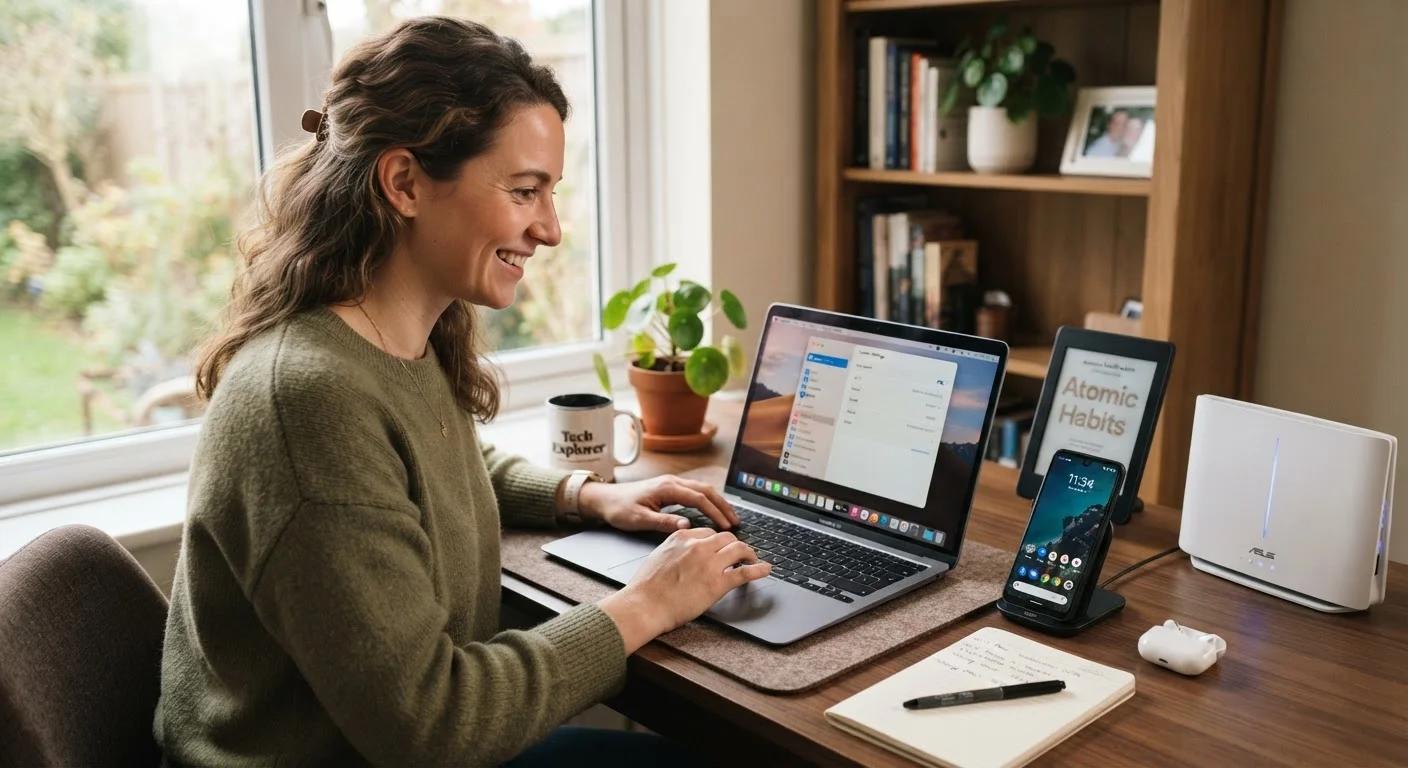
For people working from home, this difference matters considerably. Our home office tech setup guide walks through what actually affects day-to-day productivity in a remote work environment.
What Tablets Do Well
Tablets win on form factor. They're lighter, often thinner, and easier to use one-handed or while moving around. For reading, streaming video, video calls, browsing, and casual gaming, a tablet is genuinely pleasant to use in a way that laptops - designed to sit flat on a surface - often aren't.
Battery life is frequently better on tablets, and the touchscreen interface feels natural for scrolling and media consumption. For someone who primarily wants a device for entertainment and light communication, a tablet can handle the whole job without feeling like a compromise.
| Tablet | Laptop | |
|---|---|---|
| Portability | Lighter, easier one-handed use | Heavier, needs flat surface |
| Typing experience | On-screen or accessory keyboard | Full built-in physical keyboard |
| Software compatibility | App-based, some gaps | Full desktop software support |
| Multi-tasking | Limited on most models | Strong, multiple windows and apps |
| Battery life | Often longer | Varies, typically shorter |
| Ease of use | Simpler, intuitive touchscreen | More complex, steeper learning curve |
| Best for | Media, browsing, casual use | Work, study, content creation |
It's also worth noting that tablets tend to be simpler to maintain - fewer moving parts, straightforward app ecosystems, and automatic updates that most users never have to think about. If technology feels intimidating, that simplicity has real value.
The Keyboard Accessory Question
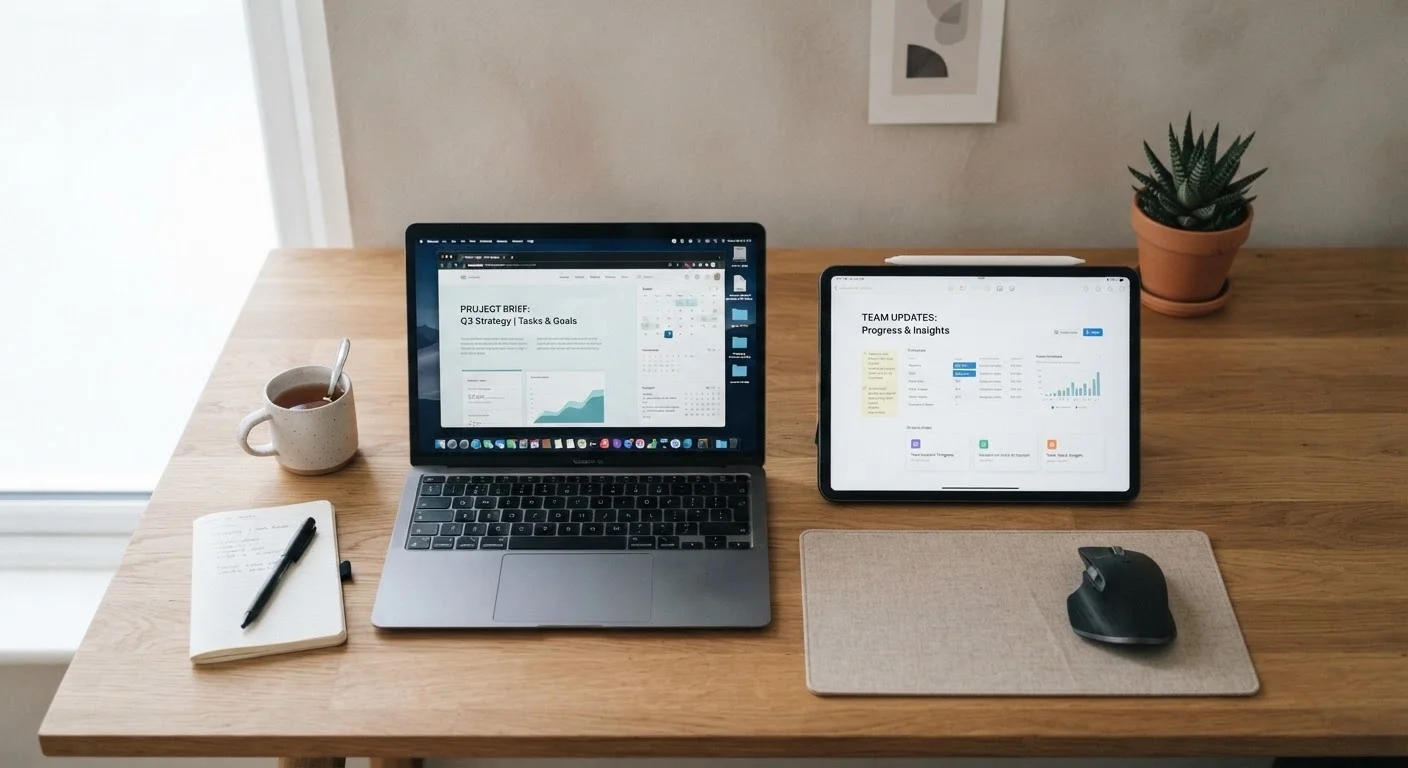
Many tablets now support external keyboard cases, and some even come with stylus support. This seems like it should close the gap - and it narrows it, but not entirely. Typing on a tablet keyboard is workable for shorter tasks, but the experience of running full desktop software, managing files across folders, or keeping many browser tabs open simultaneously still favors a laptop. The operating system underneath matters as much as the hardware on top.
Think of keyboard-equipped tablets as a genuine middle option - better than a tablet alone for light writing tasks, but not a like-for-like substitute for a laptop in demanding work scenarios.
How to Make the Call for Yourself
Rather than leading with specs, start with a habit audit. Write down what you did on a device in the past week. If the list is dominated by video calls, reading, streaming, and social media - a tablet is likely sufficient. If it includes long writing sessions, complex file management, or specialized software - a laptop is the safer choice.
Also consider where you use your device. At a desk most of the time? A laptop's form factor is well-suited. Moving around constantly - couch, commute, kitchen? A tablet's lighter build earns its keep.
Budget plays a role too, though it's worth noting that capable options exist at multiple price points for both categories. The better question isn't which is cheaper, but which purchase you'll use fully rather than underuse. If you already have a desktop computer at home, a tablet as a second device may make more sense than a redundant laptop. If your laptop is your only computer, think carefully before substituting a tablet for it.
Once you've made a choice, getting more from a device you already own can help you maximize whatever you end up with.