
How Everyday Sharing Adds Up to a Big Risk
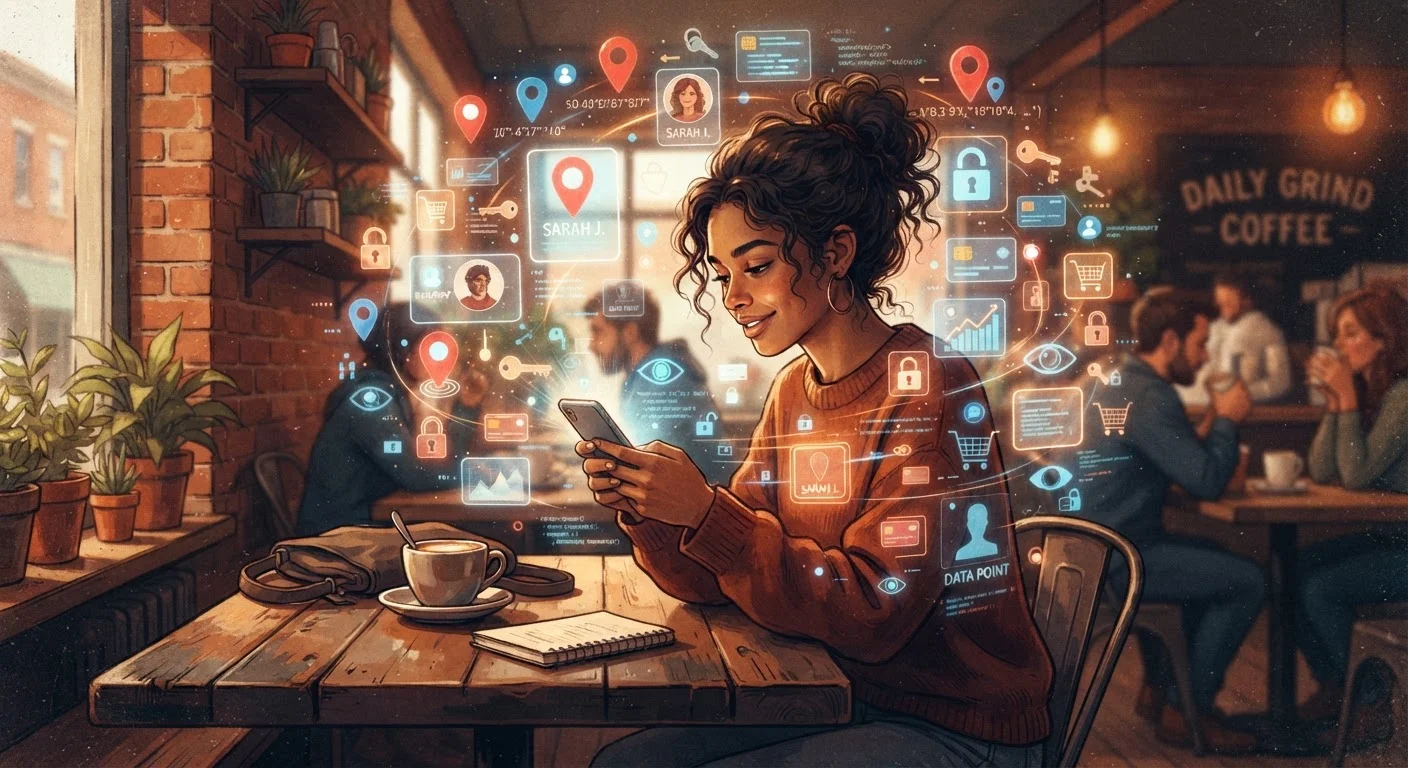
Most people don't set out to share too much online - it happens gradually. A birthday post here, a tagged location there, a casual mention of your employer in a comment. Individually, these feel harmless. But identity thieves are patient, and they're skilled at assembling small pieces of public information into a complete picture.
This process is sometimes called social engineering - using publicly available details about you to manipulate systems, impersonate you, or answer security questions on your accounts. Understanding which habits make you most vulnerable is the first step to protecting yourself. For a broader look at what data is collected and how to manage it, see our complete starter's guide to online privacy.
Posting your full birthdate publicly on social media profiles.
Why it happens: Birthdays feel celebratory and social - people want friends to acknowledge the day. Platforms often display this information prominently by default.
Sharing vacation plans or real-time location posts while you're away from home.
Why it happens: Excitement about travel makes people want to share immediately, and many users don't connect a public post to physical risk.
Using personal details - pet names, schools, hometowns - as password security question answers, then sharing those same details online.
Why it happens: Security questions feel like a formality, and people choose memorable answers without realizing those answers are often posted publicly elsewhere.
Listing your full employer, job title, and work schedule in public social profiles.
Why it happens: Professional networking feels separate from personal privacy. People want to appear credible or well-connected online.
Accepting friend or connection requests from strangers without vetting them.
Why it happens: High friend counts feel validating, and fake profiles often look convincingly real with profile photos and mutual connections.
Using your real full name and birthdate as your username or display name across multiple platforms.
Why it happens: It's convenient and makes you easy to find - which is exactly what makes it risky. Many users don't consider that combining name and birthdate is enough to start an identity fraud attempt.
Why These Habits Are So Easy to Fall Into
Social media platforms are designed to encourage sharing - the more you post, the more engagement you receive, and the more the algorithm rewards you. This creates a subtle but powerful incentive to overshare. Meanwhile, most privacy risks are invisible in the moment: there's no immediate consequence when you post your street name or check in at your gym, so the danger never feels real.
15.4M
Americans affected by identity theft annually
The Bureau of Justice Statistics has consistently found that millions of U.S. households experience identity theft each year, with financial and emotional consequences that can last years.
33%
Of identity theft cases linked to social media data
Research from cybersecurity organizations has found that a significant share of identity fraud cases involve personal information harvested from victims' public social media profiles.
It's also worth remembering that what you share publicly doesn't disappear. Screenshots, data brokers, and search engine caches can preserve information long after you've deleted the original post. For a step-by-step way to audit what's currently exposed, our personal online security checklist is a practical place to start.
Scammers often pair overshared personal details with sophisticated deception tactics. Learn how today's most common online scams work so you can recognize when your information may be used against you.
Taking Back Control Without Quitting Social Media
Protecting yourself doesn't mean going offline. It means being more deliberate. Start by auditing your social media profiles: remove your full birthdate, phone number, and home neighborhood from public-facing fields. Switch your posts to friends-only visibility, and think twice before tagging your exact location in real time.
Real-Time Location Sharing Is High Risk
Posting your live location - or even tagging your home neighborhood repeatedly - tells anyone watching exactly where you are and when you're away. This information can be used not just for identity theft, but for physical security risks. Always review who can see your location-tagged posts before publishing them.
Review which apps have access to your social accounts - many request far more permissions than they need. Tightening your social media privacy settings across platforms is one of the most impactful things you can do in under an hour. And if you use public Wi-Fi regularly, be aware that your browsing activity may be more visible than you expect - understand the real risks of public Wi-Fi before connecting at your next coffee shop or airport.
Finally, make a habit of Googling your own name periodically. What shows up? If old profiles, forum posts, or data broker listings surface information you'd rather keep private, you have the right to request removal from many of those sources. Staying aware is the foundation of staying safe.