

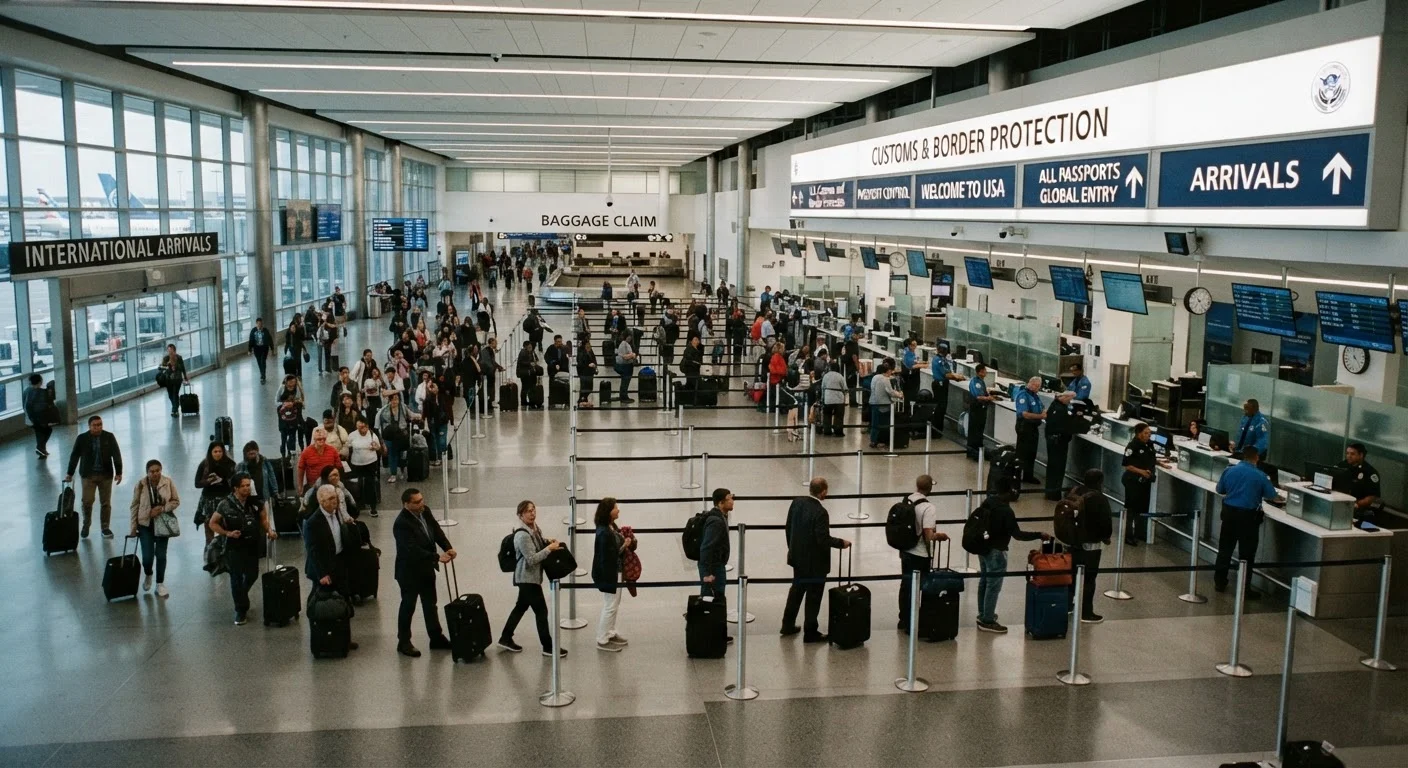
Why the Customs Process Exists - and What You're Walking Into
Re-entering the United States after international travel means passing through U.S. Customs and Border Protection (CBP), the federal agency responsible for controlling what - and who - crosses the border. The process exists to protect public health, agriculture, and economic interests, not to inconvenience returning travelers. Understanding the logic behind it makes the whole experience far less intimidating.
Every arriving international passenger, including US citizens, must complete a customs declaration. At most major airports, this happens via a paper form (CBP Form 6059B) or increasingly through self-service kiosks and apps like the CBP One or Mobile Passport Control (MPC) app. The declaration asks about items you're bringing into the country, how much you spent abroad, and whether you're carrying restricted goods like certain foods, plants, or large sums of currency.
If you're a first-time international traveler, pairing this guide with our overview for first-time American travelers abroad will give you a solid foundation before you even board.
Declare First, Ask Questions Later
CBP's standing guidance is simple: if you're unsure whether something needs to be declared, declare it. Officers can quickly determine whether an item is admissible, restricted, or dutiable - and declaring something you didn't need to declare carries zero penalty. Not declaring something you should have can result in fines or confiscation.
What You Need Before You Arrive
Good re-entry prep actually starts before your trip does. Keep your passport valid - CBP requires it for re-entry, and many countries won't admit you if it expires within six months of your return date. Also hold onto your receipts for items purchased abroad; CBP officers can and do ask to see them.
What you will need
CBP Form 6059B (Customs Declaration Form)
The standard paper declaration form distributed on international flights and available at ports of entry.
Mobile Passport Control (MPC) App
Free CBP-authorized app that lets you submit your declaration digitally to speed up customs processing.
Global Entry Membership
Trusted traveler program allowing expedited customs processing via dedicated kiosks at major US airports.
Receipts for Foreign Purchases
Documentation of what you bought abroad, used to verify declared values if questioned by a CBP officer.
The Step-by-Step Re-Entry Process
Here's what to expect from the moment your plane touches down to the moment you collect your bags and walk out.
Complete Your Customs Declaration
On your international flight, flight attendants will distribute CBP Form 6059B. Fill it out completely and honestly. One form covers an entire family traveling together. If your airline uses the CBP One kiosk system or your airport supports Mobile Passport Control, you can submit digitally instead - check before you fly.
Proceed to Passport Control (Primary Inspection)
After landing and deplaning, follow signs to CBP passport control. US citizens and permanent residents use designated lanes; visitors use separate lines. A CBP officer will review your travel document and declaration, ask brief questions about your trip, and either clear you or refer you for additional screening.
Collect Your Checked Baggage
After passport control, proceed to baggage claim for your flight and collect all checked luggage before moving forward to the customs inspection area. You'll need your bags with you when you exit through customs.
Submit Your Declaration and Exit Customs
Hand your completed declaration form to the CBP officer at the exit. Most travelers are waved through after a brief check. If the officer has questions or wants to inspect a bag, cooperate calmly and answer honestly. A small percentage of travelers are selected for random secondary inspection - this is routine and not a cause for alarm.
Pay Any Applicable Duties
If you've exceeded your duty-free allowance, CBP will calculate what you owe before you exit. Duties can typically be paid by cash, check, or credit card at the port of entry. Keep your receipts from abroad to ensure the assessment is accurate.
Duty-Free Allowances, Restricted Items, and Common Mistakes
Most travelers returning from abroad are entitled to an $800 duty-free exemption on goods purchased internationally, per person (including children). Amounts above that threshold may be subject to duty. Alcohol allowances are generally limited to one liter duty-free for travelers 21 and older; tobacco allowances are typically 200 cigarettes (one carton) and 100 cigars. These figures reflect general CBP guidelines, but allowances can vary depending on where you traveled from - verify current rules on the CBP website before you travel.
The most common mistake travelers make isn't deliberately smuggling contraband - it's forgetting to declare food. Fresh fruits, vegetables, meats, and dairy products from many countries are restricted or outright prohibited due to the risk of introducing agricultural pests and diseases. Even something as innocuous as an orange picked up at a market can be a problem. When in doubt, eat it before you land or toss it in the airport bin before you reach customs.
Agricultural Items Are Taken Seriously
CBP agriculture specialists are stationed at every international port of entry, and detector dogs trained to find food products are common at major airports. Prohibited agricultural items will be confiscated, and travelers who fail to declare them can face fines starting at $300. The safest move is to consume, discard, or declare any food products before reaching customs.
Currency is another area where travelers get tripped up. There's no limit on how much money you can bring into the US, but amounts of $10,000 or more in cash or monetary instruments must be declared using FinCEN Form 105. Failing to do so can result in seizure of the funds.
For a broader look at things that catch American travelers off guard - including what you can and can't bring back - see our piece on surprises first-time international travelers encounter.
Expedited Programs and Final Tips
If you travel internationally more than a few times a year, it's worth looking into CBP's trusted traveler programs. Global Entry allows pre-approved low-risk travelers to use dedicated kiosks for a much faster re-entry experience at most major US international airports. The application involves a background check and an in-person interview, but the investment pays off quickly. TSA PreCheck is often bundled with Global Entry membership.
The Mobile Passport Control (MPC) app is a free, no-application-required alternative available at many airports. It lets you submit your customs declaration from your phone before you reach the booth, which can cut wait times noticeably.
Whatever your re-entry route, the cardinal rule is simple: be honest and declare everything uncertain. CBP officers are trained to spot inconsistencies, and the penalties for making false declarations - including fines and potential bans - far outweigh any duty you'd have paid. A quick, candid conversation at the booth beats a pulled-aside secondary inspection every time.
Planning ahead is always the better path. Our international trip preparation checklist can help you organize documents and logistics before departure so re-entry is the easiest part of your journey.