
Why the South Gets Misjudged Before Visitors Even Arrive
Few American regions carry as much cultural baggage into a first visit as the South. Travelers arrive with mental images assembled from movies, political news cycles, and secondhand stories - and those images, whether overly romanticized or unfairly dismissive, routinely eclipse what's actually there. The result is a trip shaped more by expectation than experience.
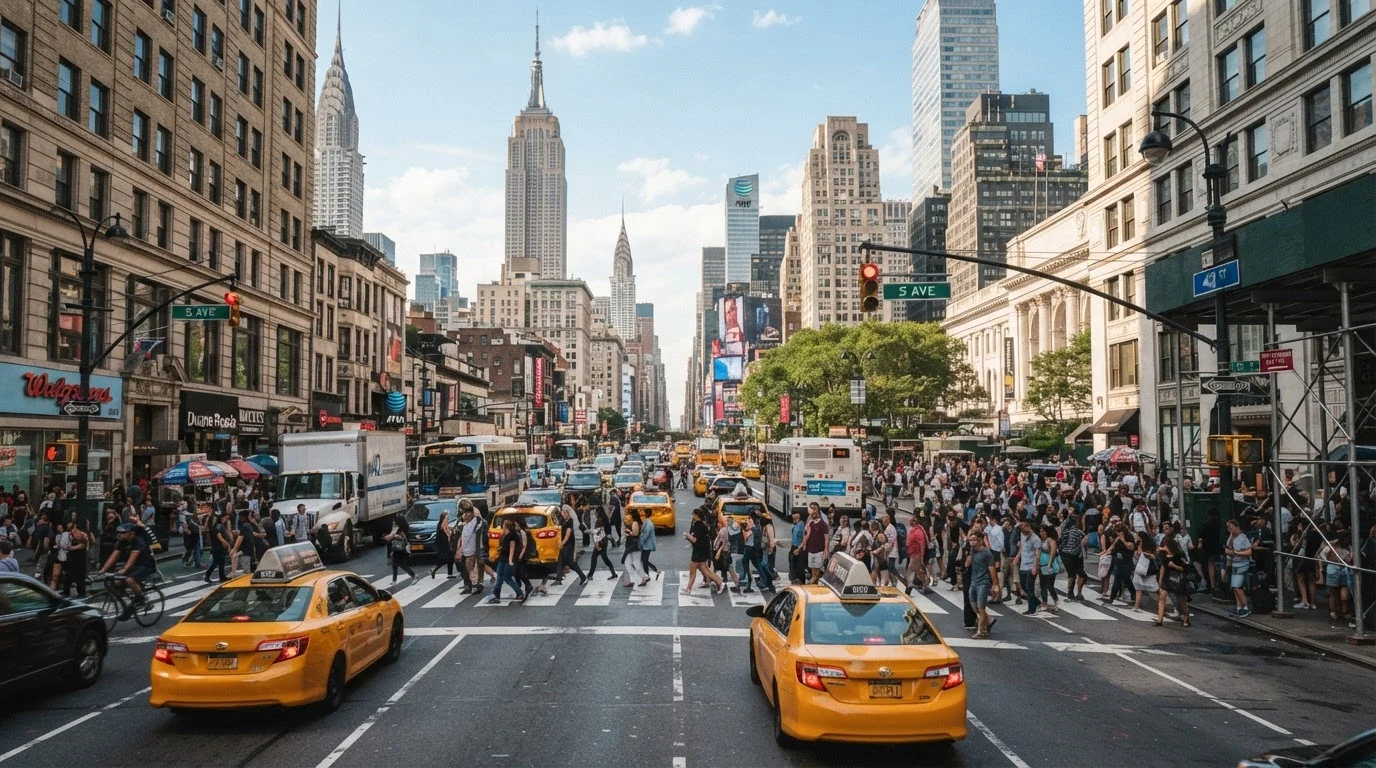
The mistakes travelers make in the South aren't usually about logistics. They're about framing. Getting that framing right - understanding what the region actually is rather than what popular culture suggests - changes everything about the trip. If you've fallen into similar traps in other American regions, the dynamics at play here echo those covered in common assumptions that derail first-time NYC visits.
Treating the South as culturally uniform from state to state.
Why it happens: Media coverage and political discourse often flatten the region into a single identity, obscuring the enormous differences between, say, coastal Louisiana, Appalachian Tennessee, and the Texas Hill Country.
Assuming Southern food begins and ends with barbecue and fried chicken.
Why it happens: Those dishes are genuinely iconic, but they dominate the national conversation so thoroughly that visitors often don't realize the region also encompasses Gullah Geechee rice traditions, Vietnamese Gulf Coast cuisine, Appalachian foraged cooking, and some of the country's most ambitious chef-driven restaurants.
Confusing slow pace with lack of sophistication or ambition.
Why it happens: Northern and West Coast travelers accustomed to a faster social tempo sometimes interpret Southern conversational warmth and unhurried service as inefficiency rather than a deliberate cultural value.
Engaging with the region's history only through a single, simplified lens.
Why it happens: The history of the American South - including slavery, Reconstruction, the Civil Rights Movement, and its aftermath - is among the most consequential in the country. Visitors often arrive expecting either hagiography or condemnation, and miss the layered, ongoing complexity that actual historical sites and communities convey.
Underestimating how diverse Southern communities actually are.
Why it happens: Demographic assumptions about the South lag behind reality. Cities like Atlanta, Houston, and Charlotte rank among the most diverse in the United States, and the region's Latino, Vietnamese, Haitian, and Indigenous communities have shaped its culture in ways that aren't well represented in mainstream travel coverage.
Dismissing smaller towns as unworthy of dedicated travel time.
Why it happens: Visitors with limited time tend to concentrate on a region's flagship cities, leaving smaller communities unvisited. In the South, this means missing places where distinct music traditions, artisan food cultures, and living folk art scenes remain unusually intact.
Getting More From the South: Practical Recalibrations
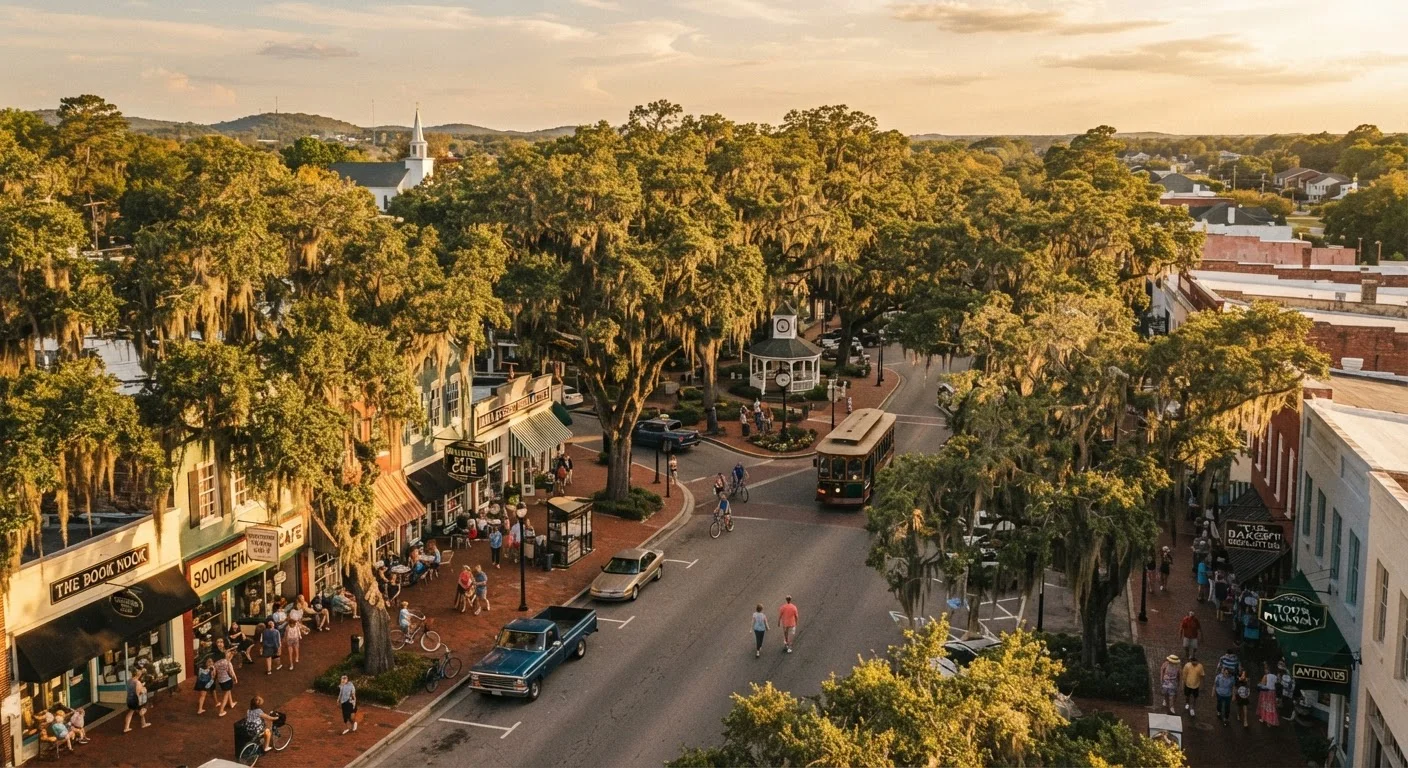
Correcting these misjudgments isn't about studying the South academically before you go - it's about arriving with a posture of genuine curiosity. Two cities that reward exactly this kind of open-eyed approach are New Orleans and Savannah, both of which defy easy categorization; the comparison between New Orleans and Savannah illustrates how differently two seemingly similar Southern cities can actually feel.
4 of 10
Most-visited US cities by domestic travelers
According to US Travel Association research, four of the ten most-visited domestic destinations consistently fall in Southern states, suggesting the region draws significant interest even as misconceptions persist.
~40%
Share of US Black population living in the South
The US Census Bureau estimates roughly 40% of the country's Black population resides in the South - a demographic reality that profoundly shapes the region's culture, cuisine, and history in ways visitors often underappreciate.
Over 130
Distinct dialects and regional accents identified in the South
Linguists at institutions including the University of Georgia have documented extraordinary dialect diversity across Southern states, reflecting the region's layered history of migration and cultural exchange.
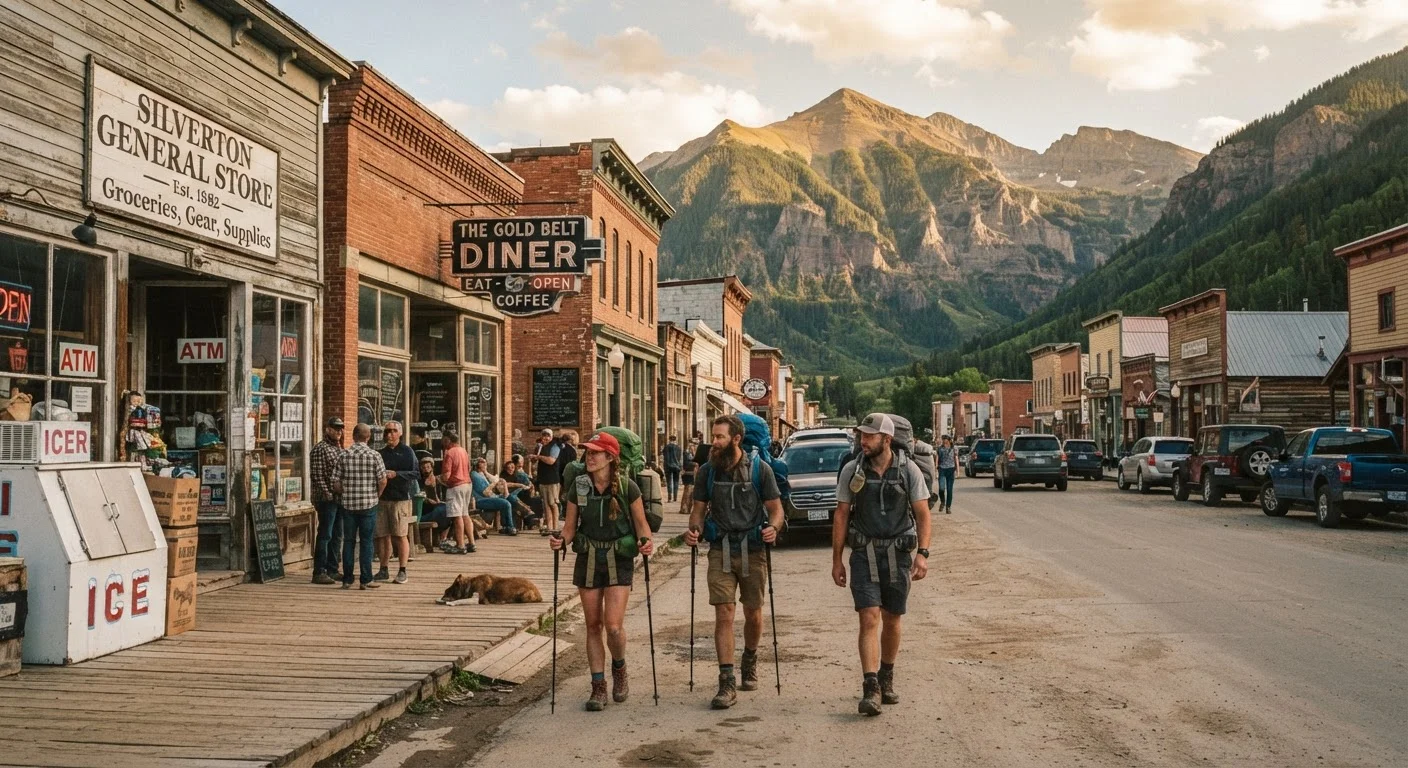
Beyond the cities, the South's rural and natural landscapes - the Appalachian foothills, the Gulf Coast marshes, the Ozark plateau - offer the kind of quieter discovery that visitors focused on urban itineraries tend to overlook. The small towns along the Appalachian corridor, in particular, have a character entirely their own, as explored in the guide to what thru-hikers know about AT towns.
Heat and Humidity Are Not Optional Footnotes
Summers across much of the Deep South involve heat index readings that can exceed 105°F, with humidity that makes even short walks genuinely taxing. Many first-time visitors underestimate how significantly this affects itinerary pacing. Plan outdoor activities for early morning or late afternoon, carry water at all times, and build genuine rest breaks into your day - not as a concession, but as smart planning. Visitors with certain health conditions should consult a healthcare provider before summer travel to the region.
The South isn't a monolith, and it doesn't benefit from being treated as one. The travelers who come away most satisfied are those who resisted the urge to confirm what they already believed - and let the place push back.