
Alaska Operates on Its Own Rules
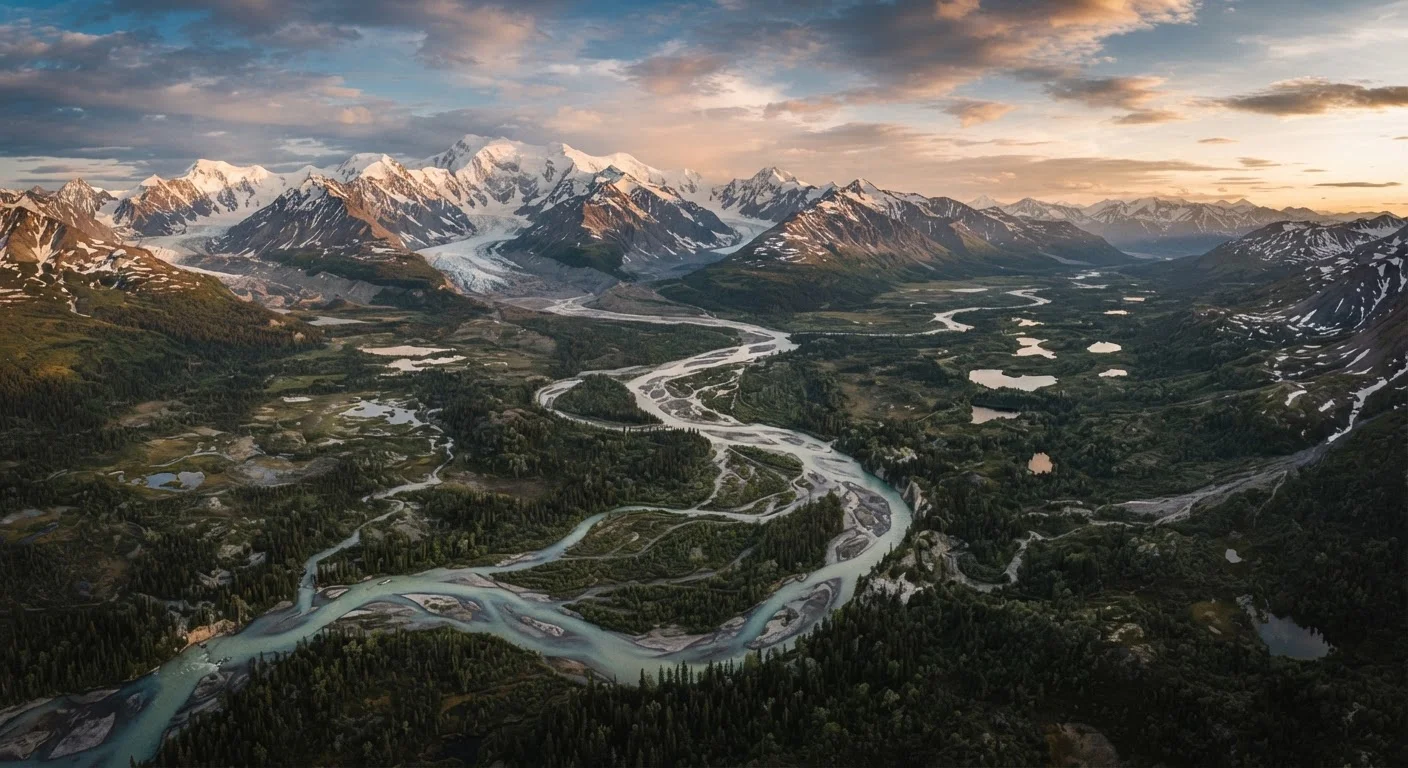
Alaska is the largest state in the US by a staggering margin - roughly 2.5 times the size of Texas - and that scale reshapes every assumption you bring from the lower 48. Distances that look short on a map can represent a full day of travel. Towns labeled on road maps may have no road connection at all. And "mild" weather in Southeast Alaska still means rain gear is a daily necessity.
First-time visitors often arrive with a national-park mindset: show up, follow the signs, grab a coffee. Alaska rewards a different posture - one built on flexibility, preparation, and a genuine respect for the environment's terms. Think of this guide as the candid conversation a well-traveled friend would have with you before you booked anything.
Before you finalize any plans, check the comprehensive pre-trip checklist to make sure nothing critical slips through the cracks at home.
Alaska Marine Highway
A state-operated ferry system connecting communities along Alaska's coastline, including Southeast Alaska and parts of Southcentral. It functions as public transportation for residents and a scenic travel option for visitors.
Bush plane
A small aircraft used to access remote communities and wilderness areas that have no road connections. Bush planes are a routine part of transportation infrastructure across much of the state.
Shoulder season
The period just before or after peak season - typically May and September in Alaska - when weather is still manageable but crowds and prices are reduced.
Midnight sun
A natural phenomenon in Alaska's summer where the sun does not fully set, resulting in extended or near-continuous daylight. This is most pronounced in Interior and Northern Alaska in June and July.
Bear spray
A canister of capsaicin-based deterrent spray designed to stop a charging bear. It is widely considered one of the most effective tools for reducing the risk of injury in a bear encounter.
Temperate rainforest
A forested ecosystem that receives very high rainfall year-round but with milder temperatures than tropical rainforests. Southeast Alaska's coastal region, including areas around Juneau and Ketchikan, falls into this classification.
Timing Your Visit: Seasons Actually Matter Here
Summer (June-August) is peak season for a reason: temperatures are warmest, daylight stretches well past midnight, and most attractions and tours operate at full capacity. It's also when accommodation prices peak and availability drops sharply. Book early - popular lodges near Denali or Kenai Fjords can sell out a full year ahead.
Shoulder seasons offer genuine appeal. May brings wildflowers, fewer crowds, and dramatic snowpack on the peaks. September delivers fall color, active wildlife preparing for winter, and the first aurora sightings. Winter travel is for the experienced and deliberately adventurous - temperatures in Interior Alaska routinely fall below -20°F, and many visitor services close entirely.
Travel in May or September to Beat the Rush
Shoulder season travelers often find more availability, lower accommodation rates, and a noticeably more relaxed atmosphere. May offers snow on the peaks and wildflowers in the valleys simultaneously - one of Alaska's most visually dramatic windows. September brings the first northern lights and brilliant fall foliage across the Interior.
One often-overlooked consideration: Southeast Alaska (Juneau, Ketchikan, Sitka) runs on a completely different weather pattern from the Interior. That region is a temperate rainforest - expect rain year-round, especially in summer.
Getting Around: The Transportation Reality
Alaska has roughly 14,000 miles of roads, but significant portions of the state - including the capital, Juneau - have no road connection to the broader highway system. Flying and ferrying are not exotic alternatives; they are primary modes of transport.
The Alaska Marine Highway System is a state-operated ferry network connecting Southeast Alaska and Southcentral communities. It's a scenic, affordable way to travel between coastal towns, and you can bring your vehicle on most routes. Reservations, especially for cabins and vehicle space in summer, fill well in advance. Check schedules and booking directly through the Alaska Department of Transportation.
Small aircraft - bush planes - are how many rural communities receive mail, supplies, and visitors. Day trips by floatplane to remote areas are among the most memorable Alaska experiences available to travelers. For those driving, the Parks Highway connecting Anchorage to Fairbanks via Denali is the backbone of interior road travel, and it is genuinely spectacular.
Wildlife, Weather, and Wilderness Safety
Bear encounters are a real consideration throughout Alaska, not just in remote backcountry. Carrying bear spray and knowing how to use it is standard practice - even on popular trails near towns. Keep a minimum of 100 yards from bears and wolves, and 25 yards from other wildlife. Never approach or attempt to feed any animal.
Weather can shift from sunny to cold and wet within hours, even in summer. Hypothermia is a risk even when temperatures are technically above freezing, particularly if you're wet and exposed to wind. Always tell someone your itinerary if venturing beyond developed areas, and verify conditions locally before setting out.
Don't Rely on Cell Service Outside Major Towns
Large portions of Alaska - including many popular hiking and wildlife areas - have no cellular coverage. Download offline maps before you leave a connected area, and let someone know your planned route and expected return time. A personal locator beacon or satellite communicator is worth considering for any backcountry travel.
Cell coverage outside Anchorage, Fairbanks, and a handful of other towns is limited to nonexistent. Download offline maps before you leave, and consider a satellite communicator for backcountry travel. Being genuinely out of reach is part of the Alaska experience - it's also a safety variable worth planning around.
What to Pack (and What People Always Forget)
Layering is the system that works. A moisture-wicking base layer, insulating mid-layer, and waterproof shell covers nearly every Alaska summer scenario. Rain pants are not overkill - they're essential in Southeast Alaska and useful everywhere else. Pack more than you think you need for cold, and far less formal clothing than you'd bring anywhere else.
Essentials people routinely forget: insect repellent (mosquitoes in Interior Alaska are legendarily relentless in late June and July), a headlamp or sleep mask if light sensitivity keeps you awake, and physical copies of key reservations and contacts since connectivity isn't guaranteed.
Use the itinerary pacing guide to structure your days with enough breathing room - Alaska's distances make overscheduling a particularly punishing mistake. Build in buffer days. The best Alaska moments often happen when a plan quietly falls apart and something better takes its place.