

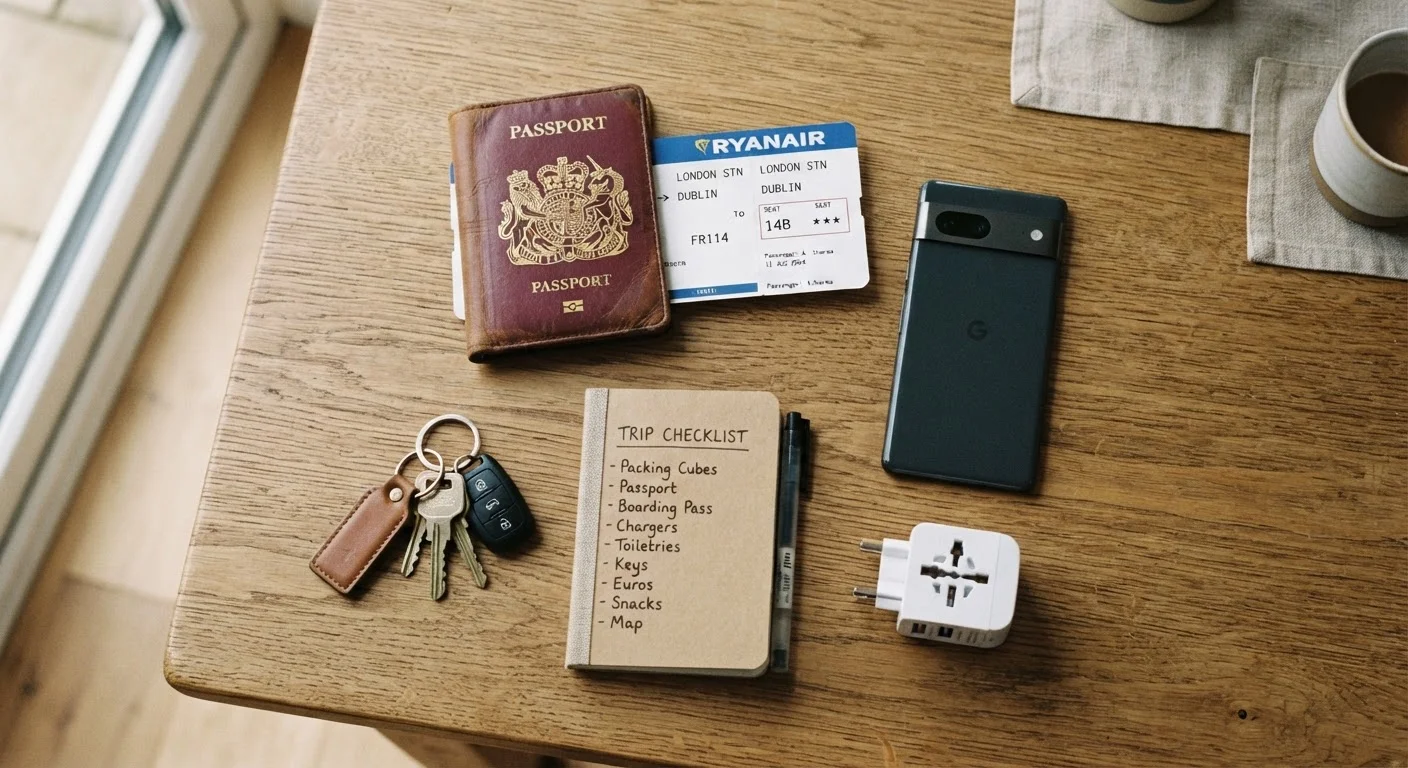
Why a Pre-Trip Checklist Saves More Than Time
There's a particular kind of dread that hits somewhere over Kansas when you suddenly can't remember whether you turned off the stove. Pre-trip anxiety is real, and the antidote isn't worrying harder - it's working smarter before you leave.
A solid pre-departure routine covers five major territory: documents and identity, finances, home and security, health, and digital readiness. Whether you're driving two states over or heading overseas, most of these categories apply. For international trips, the preparation layer deepens considerably - see our international trip preparation checklist for a full breakdown of what changes when you cross a border.
The checklist below is designed to work as a standalone audit you can run through in under two hours. Start it at least two weeks before departure - earlier if visas or prescriptions are involved.
U.S. State Department STEP Program
Allows American travelers to register trip details with a U.S. embassy, enabling contact in emergencies and receiving destination-specific safety alerts.
Offline Maps App (e.g., maps with downloadable regions)
Provides navigation without relying on cellular data once you arrive at your destination.
Cloud Backup Service
Secures copies of your photos, documents, and phone data so you're protected if a device is lost or stolen during your trip.
Travel Insurance Policy
Covers trip cancellations, medical emergencies abroad, and lost or delayed baggage - review terms carefully before purchasing.
How to Work Through This Checklist
Each group below is organized by category, not by urgency. That said, documents, medications, and visa status should always be your first pass - these are the items with the longest lead times and the least flexibility to fix on short notice.
Finances and home security tasks can typically be handled in the final week. Digital and packing tasks are best saved for the last 48 hours, when you know exactly what you're taking.
Documents & Identity
Finances & Banking
Health & Insurance
Home & Security
Pet & Plant Care
Digital & Communication
Packing & Luggage
Once you've packed, it's worth asking a parallel question: are you carrying the right things? Packing light without leaving essentials behind offers practical strategies for trimming your bag without arriving underprepared. And if luggage decisions are on your mind, the carry-on vs. checked luggage tradeoffs guide lays out the honest pros and cons of each approach.
A Few Items That Deserve Extra Attention
Some checklist items are easy to overlook precisely because they feel like someone else's job or something you'll figure out later. Here are three that consistently trip up even well-prepared travelers:
Your bank card abroad
Fraud alerts can freeze a card the moment it pings from an unexpected country - often at the worst possible moment. A quick call or app notification to your bank is genuinely one of the highest-value five minutes you can spend before leaving. Budget headaches mid-trip are often preventable; understanding common budget-busting patterns is worth a read before departure.
Pet care handoffs
Rushed pet arrangements lead to stressed animals and anxious owners. If you're coordinating a pet sitter or boarding facility, confirm logistics at least a week out - not the night before. For pet owners thinking through care logistics more broadly, the pet owner's starter checklist has useful baseline guidance.
Your home's digital footprint
Leaving on a long trip is a good prompt to review account security. Enabling two-factor authentication on email and financial accounts before departure means one fewer vulnerability while you're distracted. A personal online security audit checklist walks through this quickly without requiring any technical expertise.
Prescription Medications: Plan for More Than You Need
Running out of a necessary medication abroad can be complicated, expensive, or in some cases impossible to resolve quickly. Aim to carry at least three to five extra days' worth beyond your trip length. Ask your prescribing provider well in advance - not the week before departure - as some medications require prior authorization for early refills. Keep medications in their original labeled containers when crossing borders.
This article provides general travel planning information. Always verify entry requirements, health recommendations, and insurance terms through official and qualified sources before your trip.