
Why Shoulder Season Changes Everything
Anyone who has stood in a two-hour line at Yosemite Valley in July knows the sting of loving a place that's loved by everyone else at the exact same moment. Shoulder season - the weeks bracketing peak summer - is the quiet antidote. Parking lots have open spots. Trails feel like trails again, not conveyor belts. And the parks themselves behave differently: morning mist lingers longer, light falls at flatter angles, and the natural world isn't yet performing for an audience of millions.
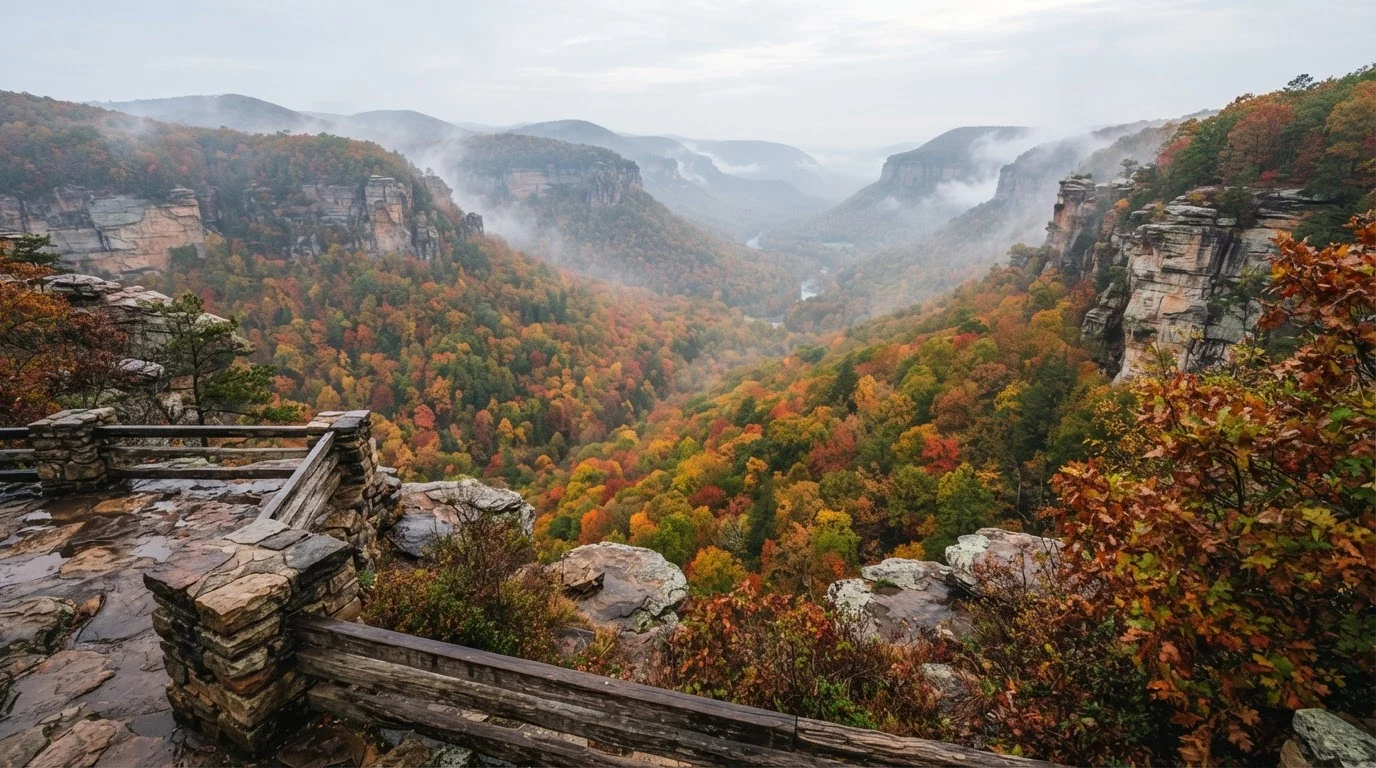
The shift isn't just cosmetic. Spring brings wildflower blooms and newborn wildlife. Fall ignites foliage, activates elk rut, and delivers the kind of crisp, crystalline air that makes every overlook feel earned. If you've only visited parks in peak season, shoulder season can feel like discovering an entirely different place - the one the brochure was actually photographed in.
Common fears about off-peak travel often keep people from even considering it. The reality is usually far more manageable than the worry.
Best Practices for Planning a Shoulder-Season Park Trip
Getting the most from a shoulder-season visit takes a little more intentionality than a summer trip, but the payoff is substantial. The following practices make the difference between a frustrating visit and a genuinely memorable one.
Verify road and facility status directly with the park before departure.
Shoulder-season conditions vary dramatically by elevation and region. A trail that's open in late September at sea level may still be snow-covered at 9,000 feet. Calling or checking the official National Park Service website prevents wasted driving and dangerous situations.
Book lodging inside or immediately adjacent to the park well in advance.
Even with reduced visitor numbers, popular in-park lodges book out months ahead. Shoulder season gives you more options than July, but the most sought-after rooms still go fast. Securing accommodation early also lets you plan around sunrise and sunset without long commutes.
Pack layers that can handle a 30-degree temperature swing in a single day.
Shoulder-season mornings can be genuinely cold while afternoons turn warm and sunny - or the reverse. Being underprepared for cold forces early retreats from trails; being overdressed makes long hikes miserable.
Plan wildlife viewing around dawn and dusk, not midday.
Animals are crepuscular (most active at dawn and dusk) across most seasons, but fall in particular concentrates dramatic wildlife behavior - elk rut, bear foraging before hibernation, and bird migration all peak in the early morning and late afternoon hours.
Use a timed-entry permit system as a planning anchor, not an afterthought.
Several high-traffic parks now require timed-entry reservations even in shoulder season. Treating the reservation as the fixed point around which everything else is scheduled prevents the frustration of a turned-away vehicle at the gate.
Research the specific shoulder window for each park individually.
"Shoulder season" doesn't mean the same calendar dates everywhere. The Great Smoky Mountains peak in October foliage color but are still busy on weekends; Olympic National Park's rainforest is quietest in early fall before rain season intensifies. Generic advice doesn't replace park-specific research.
For help structuring your days once you've arrived, building an itinerary that doesn't burn you out is a smart next step - shoulder season's shorter daylight hours make pacing even more important.
Quick Wins You Can Act On Right Now
You don't need months of lead time to benefit from a shoulder-season mindset. A few simple actions today can set your trip up for success.
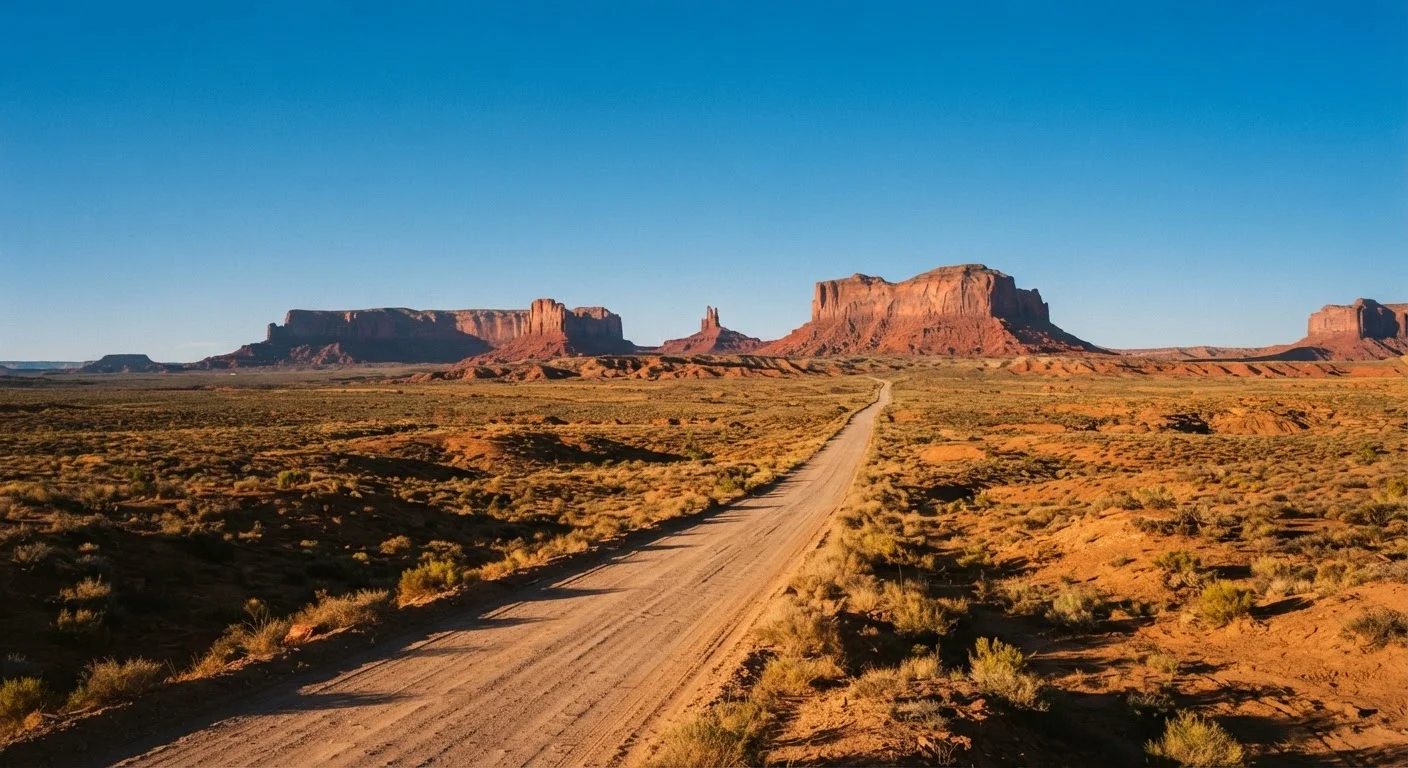
If you're drawn to the desert Southwest, note that the region has its own compelling off-peak rhythms. Overlooked parks in the American Southwest reward visitors who venture beyond the marquee names - and shoulder season makes that exploration even more worthwhile.
What to Realistically Expect
Shoulder season isn't a flawless paradise. Snowstorms can close high-elevation roads well into May. October rain in the Pacific Northwest is near-certain. Some visitor centers run reduced hours, certain concessionaire services shut down entirely, and a handful of trails may still be icy or muddy.
Always Verify Before You Drive
Road and facility closures during shoulder season are common and sometimes change with little notice. The National Park Service updates conditions on nps.gov and the NPS app, and many parks maintain recorded phone lines for current status. Checking the day before departure - not just when you book - is the most reliable approach. Conditions can shift within 24 hours after an early snowfall or flash flood.
That said, the tradeoffs are genuinely minor compared to the gains. A rain jacket and a backup plan go a long way. Understanding the difference between national parks and national forests also opens up backup options when a specific park area is temporarily inaccessible - national forests surrounding many parks often have fewer crowds and fewer facility closures.
325M+
Annual visits across US national parks
According to the National Park Service, visitation has consistently exceeded 300 million visits per year in recent years, with the majority concentrated in summer months.
~40%
Typical summer-to-shoulder visitor volume drop
NPS visitation data shows many major parks see visitor counts fall by roughly a third to half when comparing July peaks to October figures, with specific numbers varying by park.
The parks are public land, and shoulder season is when they feel most like it - spacious, authentic, and genuinely yours to explore.