
Why Off-Season Myths Stick Around
Peak travel season has powerful marketing behind it. Glossy summer brochures, Instagram posts from crowded beaches in July, and well-meaning advice from people who've only ever traveled in August all reinforce the same message: this is when you go. Everything else is a compromise.
That framing is mostly fiction - or at best, a half-truth dressed up as conventional wisdom. The fears surrounding off-peak travel are often exaggerated, outdated, or simply misapplied. And those fears are costing everyday travelers real money, real breathing room, and genuinely memorable experiences.
Below, we work through the most common myths - and what the reality actually looks like on the ground.
Myth
Everything will be closed - restaurants, museums, tours, all of it.
Fact
Most established attractions and restaurants operate year-round; closures are the exception, not the rule.
This fear comes from isolated stories - a beach bar that's only open in summer, a small island that shuts down in winter - applied incorrectly to all off-season travel everywhere. Major cities, cultural destinations, and national parks operate continuously. Even many resort towns keep core services running to serve locals and off-peak visitors. The fix is simple: verify hours for specific places you care about before you go, rather than assuming everything is dark.
Myth
The weather will be miserable and ruin the trip.
Fact
Shoulder seasons often bring mild, pleasant conditions - sometimes better than peak-season heat and humidity.
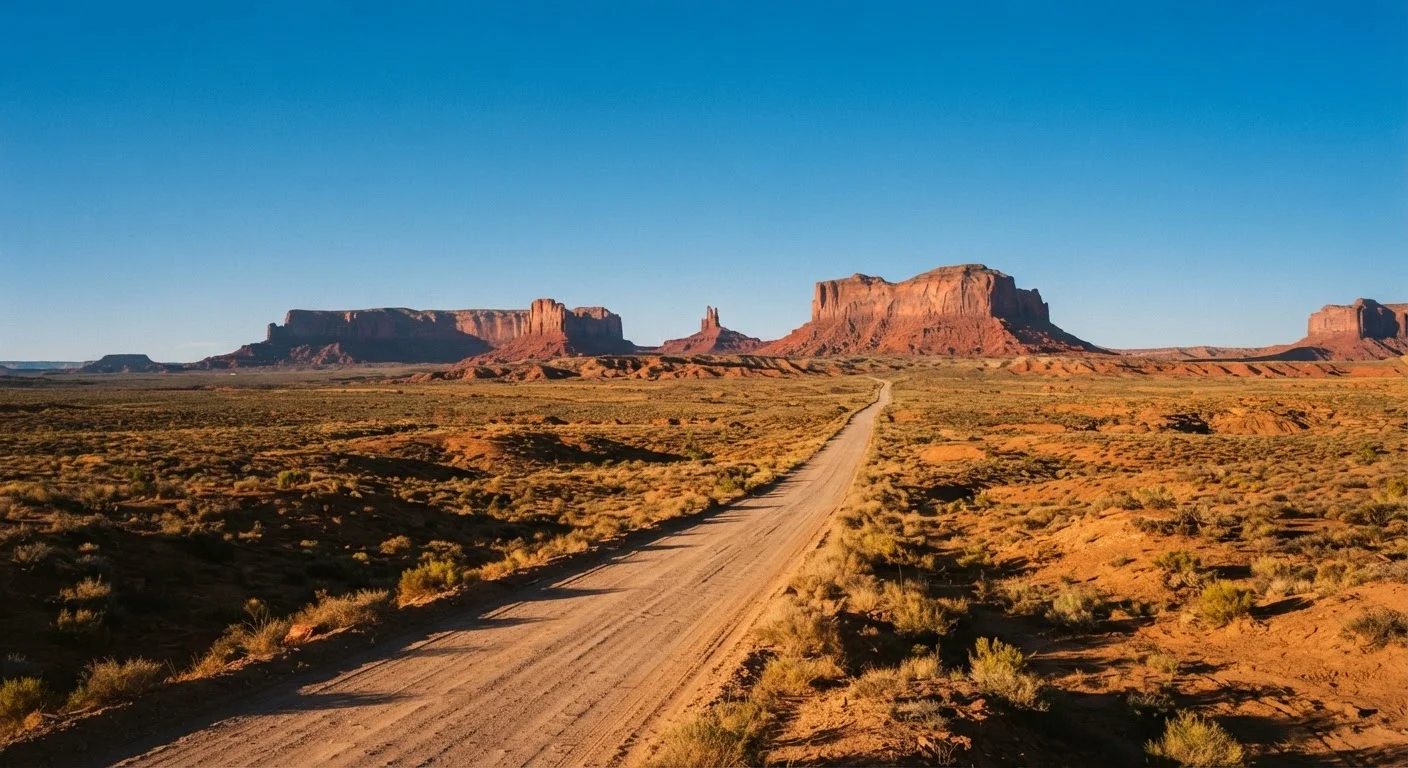
"Off-season" weather varies enormously by destination. Visiting Rome in October means comfortable temperatures and smaller crowds compared to the sweltering August rush. New Orleans in February is far more walkable than in July. The American Southwest in March is often ideal hiking weather. Weather is always a factor in travel planning - the question is whether the tradeoffs are actually worse than peak season, and for many destinations, they simply aren't. Check historical climate data for your specific destination rather than relying on vague seasonal assumptions.
Myth
You'll have a lonely, depressing experience with no other travelers around.
Fact
Fewer crowds generally means a more authentic, connected experience - not an empty one.
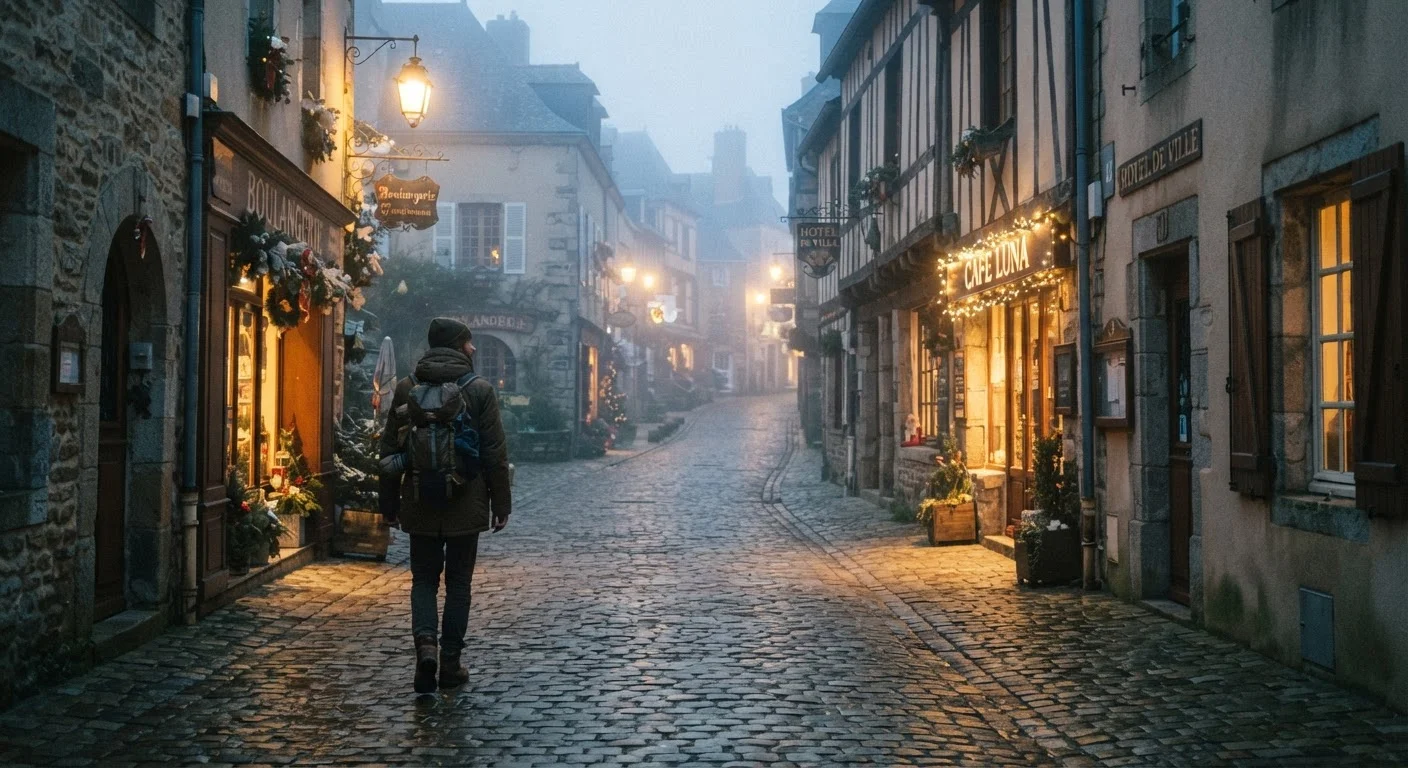
There's a meaningful difference between "quieter" and "dead." Off-peak travel often puts you in closer contact with locals - restaurant staff who have time to chat, shopkeepers who aren't rushed, neighborhood life that resumes once summer tourists leave. Many travelers report that their most genuine destination experiences happened outside peak season precisely because the place felt lived-in rather than performative. If social travel is important to you, structured group tours run year-round and can add a social dimension regardless of season.
Myth
Off-season always means significantly cheaper travel.
Fact
Prices can be lower, but savings vary widely by destination, timing, and how far in advance you book.
This myth cuts both ways - some people avoid off-season travel because they assume it's still expensive, while others book it expecting dramatic discounts and feel let down. The reality is nuanced. Flight and accommodation prices often (though not always) drop during low-demand periods, but popular destinations during school breaks, holidays, or local festivals can spike even in the traditional "off-season." Treat potential savings as a possible benefit to research, not a guaranteed feature to count on. Always compare actual prices for your specific dates rather than relying on seasonal generalizations.
Myth
International off-season travel is too risky or complicated.
Fact
Most common concerns about international travel apply equally across all seasons and are manageable with standard preparation.
The risks associated with international travel - health precautions, entry requirements, travel documentation - don't meaningfully increase off-season. What changes is crowd density, not safety infrastructure. For anyone still sorting through larger misconceptions about traveling abroad, common myths about international travel covers the persistent fears worth examining before any trip. Always verify current visa, entry, and health requirements with official government sources before departure, regardless of when you travel - policies can change independently of season.
What Off-Season Travel Actually Requires
Going against the crowd doesn't mean going unprepared. A handful of practical habits make off-peak travel significantly smoother.
Check operating hours specifically. Some smaller museums, rural restaurants, or boutique tour operators do reduce hours or close entirely during slow months. A quick look at official websites or a direct call before you go eliminates any guesswork. This is standard trip-planning hygiene regardless of season - it's just slightly more relevant in January than in July.
Pack for variability. Shoulder-season weather can swing, so layers beat a single heavy coat almost every time. Waterproof footwear and a packable rain jacket handle most surprises without adding bulk.
Build a looser itinerary. One genuine advantage of quieter travel is the freedom to slow down. A well-paced itinerary actually becomes easier to execute when you're not fighting crowds for entry times or scrambling for last-minute reservations. Let the flexibility work for you rather than cramming the same peak-season schedule into a quieter period.
Some Destinations Genuinely Have an Off-Season
A small number of places - remote island communities, highly weather-dependent destinations, or towns that rely almost entirely on seasonal tourism - do see significant shutdowns outside peak months. This is real, but it applies to a narrow category of destinations. Research your specific location rather than applying blanket assumptions. When in doubt, contact local tourism boards or accommodation providers directly.
If budget pressure is part of why you're considering off-peak travel, it's worth understanding where the real savings show up and where they don't. Common mid-trip budget problems often come from overlooked costs that have nothing to do with season - so go in with realistic expectations on both fronts.
For travelers drawn to the outdoors, visiting national parks in shoulder season offers some of the most dramatic payoffs: smaller crowds on trails, wildlife that's actually visible, and landscapes that peak-season visitors rarely see. It's one of the strongest cases for rethinking the calendar entirely.