
The Case for Driving the Plains
Ask most Americans where they'd road trip, and the Great Plains rarely make the shortlist. The region gets dismissed as a flyover zone - flat, featureless, something to endure between the Rockies and the Mississippi. That reputation is both deeply unfair and genuinely useful for those willing to challenge it. While crowds flood Yellowstone and the Grand Canyon, the plains sit largely uncrowded, waiting for travelers who are paying attention.
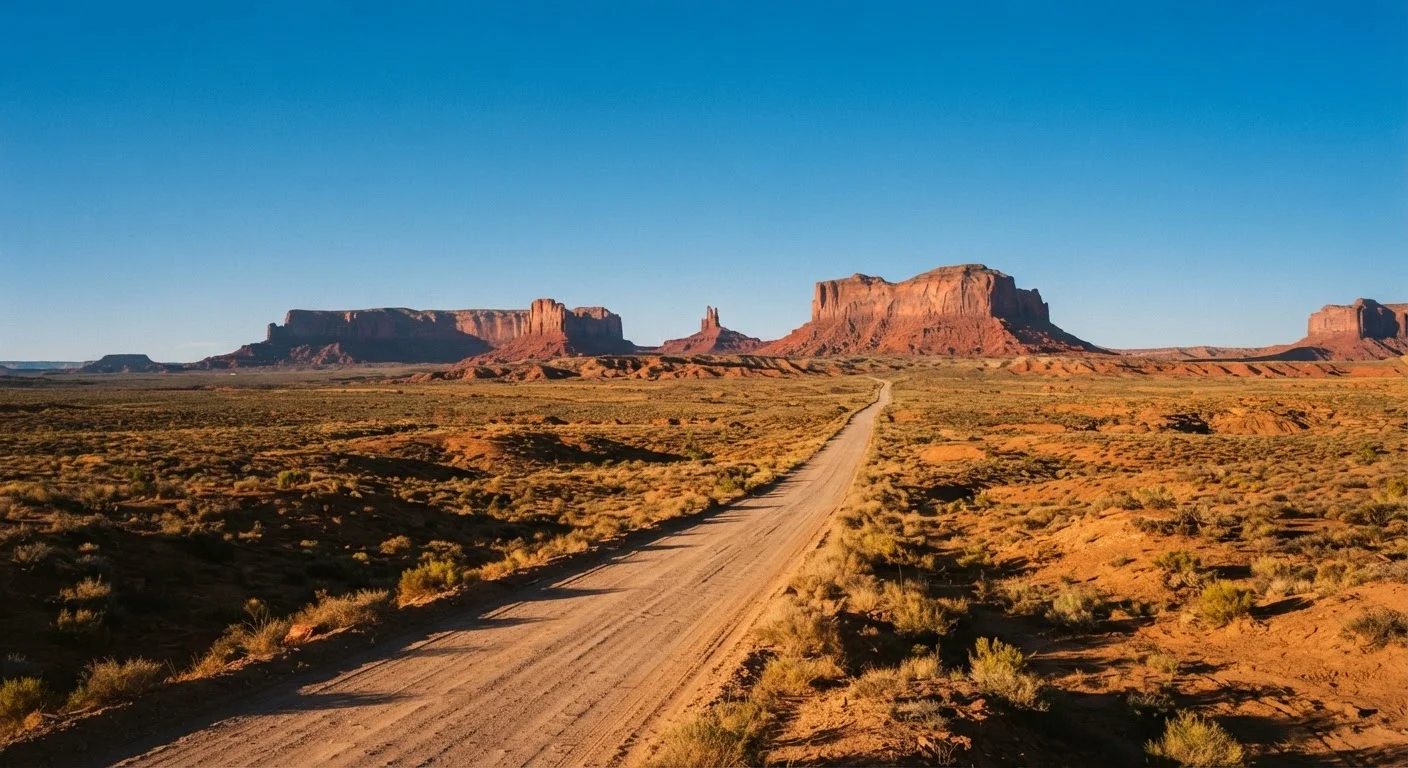
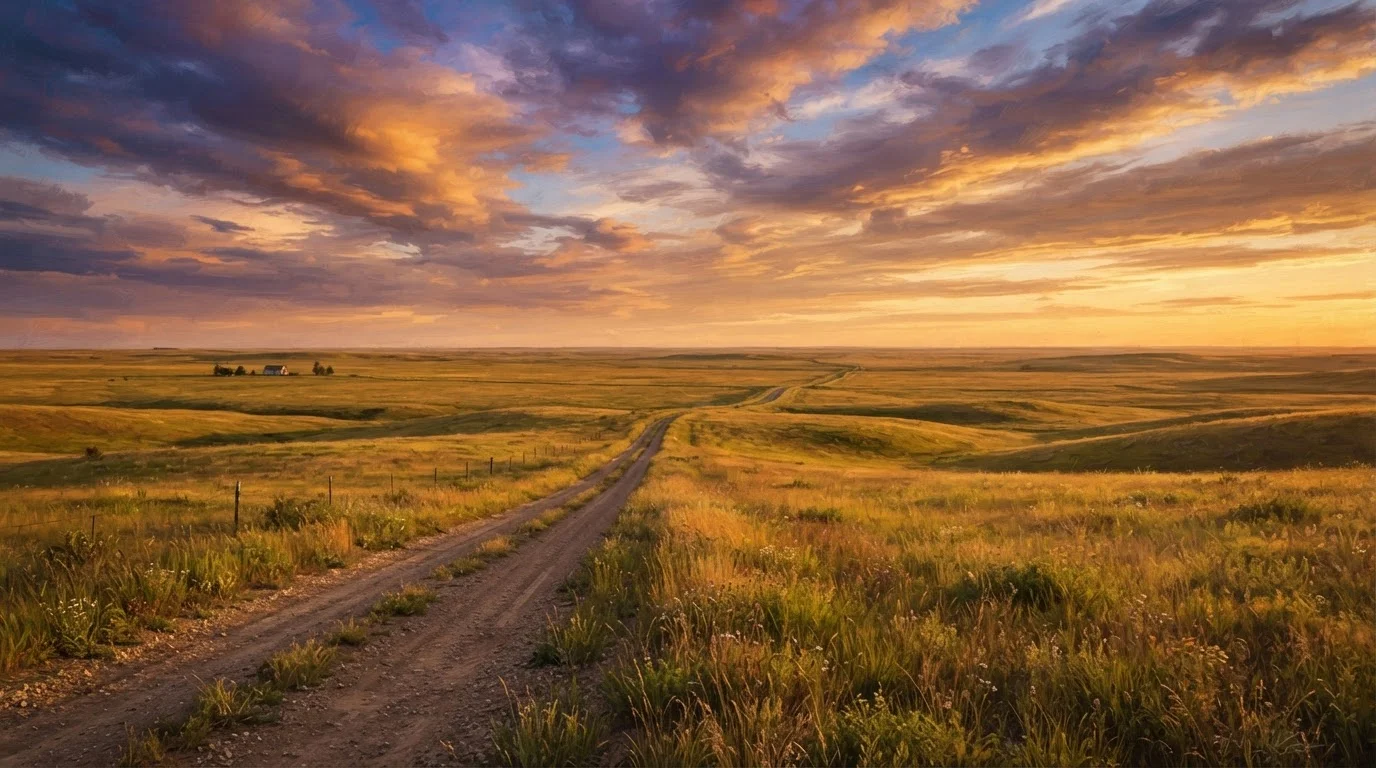
The geographic reality is far richer than the stereotype. The Plains stretch from North Dakota south through Texas, encompassing the sculpted badlands of South Dakota, the Sandhills of Nebraska, the Flint Hills tallgrass prairie of Kansas, and the sweeping caprock canyons of the Texas Panhandle. These are not the same landscape repeated endlessly - they're a mosaic of ecosystems and formations that rewards genuine curiosity. Just as overlooked desert parks in the Southwest reward those willing to detour, the Plains offer outsized returns for the open-minded traveler.
Remarkably uncrowded compared to national park hotspots
Badlands National Park receives a fraction of Grand Canyon's annual visitors, and much of the surrounding region sees even less traffic. Solitude-seekers can find genuine quiet here during peak travel months.
Some of the darkest skies remaining in the continental US
Large swaths of the rural Plains fall within the least light-polluted zones in the lower 48 states, making them exceptional for stargazing and astrophotography without specialized travel.
Rich and living Indigenous cultural heritage
The Plains are home to numerous tribal nations with active cultural centers, powwows, and historic sites that offer depth of experience rarely found on more-trafficked American road trip routes.
Dramatic geology beyond the flat-land cliché
Badlands formations, river canyon systems like Palo Duro, the Nebraska Sandhills, and the Flint Hills present genuinely varied and striking landscapes across the region.
Lower travel costs than coastal or mountain destinations
Fuel, lodging, and food costs tend to run below national averages across much of the plains interior, stretching a travel budget further without sacrificing experience.
Outstanding wildlife - bison, prairie dogs, raptors
Bison herds, black-footed ferret recovery sites, prairie dog towns, and migratory raptor corridors give wildlife enthusiasts exceptional and accessible viewing opportunities.
Real Drawbacks Worth Knowing
Honest advocacy means acknowledging the cons - and the Plains have genuine ones. Distances between towns can stretch well past 50 miles, and services thin out quickly once you leave the interstate corridors. Travelers accustomed to the density of coastal or mountain destinations may find the spacing of fuel, food, and lodging genuinely challenging without deliberate advance planning.
Weather is the other major variable. Tornado season runs roughly April through June across much of the region, and winter blizzards can materialize quickly across the northern plains. The same atmospheric conditions that create breathtaking storm-watching opportunities can also strand travelers or close roads with little warning. Checking NOAA forecasts and having flexible itineraries isn't optional here - it's essential. The American South gets similarly misread for different reasons, but the Plains' misjudgment often comes down to exactly this kind of practical unfamiliarity.
Long distances between services and towns
Stretches of 50-100 miles between fuel stops are common on many plains routes. Travelers need to plan fuel, water, and meals carefully, particularly on less-traveled state highways.
Severe weather requires serious trip flexibility
Tornadoes, hail, and blizzards are genuine hazards depending on season and location. Itineraries need built-in flexibility, and real-time weather monitoring is a practical necessity rather than a precaution.
Limited lodging variety outside larger cities
Boutique hotels, upscale dining, and diverse accommodation options are largely concentrated in regional hubs. Smaller towns typically offer basic motel or camping options only.
Landscape requires patience and attentiveness to appreciate
Travelers expecting constant dramatic scenery may feel underwhelmed. The Plains reward slow observation - their beauty is often subtle, wide-angle, and cumulative rather than immediately obvious.
Cell coverage gaps are common in rural areas
Navigation, communication, and emergency contact can be unreliable across significant stretches of the interior plains. Offline maps and paper backups are genuinely useful here.
What Makes a Plains Road Trip Genuinely Memorable
The highlights that tend to surprise first-time visitors most are the region's dark skies and its Indigenous cultural depth. Much of the rural Plains - particularly in western Nebraska, eastern Wyoming, and west Texas - qualifies among the darkest zones in the lower 48 states. Milky Way visibility on a clear, moonless night can be genuinely stunning, and several areas have pursued formal dark-sky designations to protect that resource.
Indigenous history on the Plains is not background detail - it's central to understanding the landscape. Sites associated with the Lakota, Comanche, Kiowa, Pawnee, and Arapaho nations, among many others, represent living cultural traditions as well as significant historical events. Travelers who engage respectfully - visiting tribally operated cultural centers, attending public powwows where visitors are welcomed, learning before arriving - will find their understanding of the land transformed.
Visiting Indigenous Cultural Sites Respectfully
Many of the most significant cultural and historical sites on the Plains are located on tribal lands or managed in partnership with tribal nations. Before visiting, check whether the site is open to the public, whether photography is permitted, and whether any protocols for respectful engagement apply. Tribally operated visitor centers and cultural museums are often the best starting point - they provide context that transforms the experience from sightseeing into genuine understanding.
The practical case is strong too: plains driving tends to be cheaper. Gas prices are often lower than coastal averages, motels in small towns can be significantly more affordable than resort-area lodging, and free or low-fee camping on Bureau of Land Management land is relatively accessible. For travelers watching their travel budget, this matters.
400,000+
Bison once roamed, now recovering
Conservation efforts across the plains have helped American bison numbers recover from near-extinction; several herds are now publicly viewable in national parks and tribal lands.
~800
Miles of the Great Plains Trail
The developing Great Plains Trail spans roughly 800 miles through the heart of the region, traversing grasslands and badlands largely away from paved roads.