
What Gets Checked During a Multi-Point Inspection
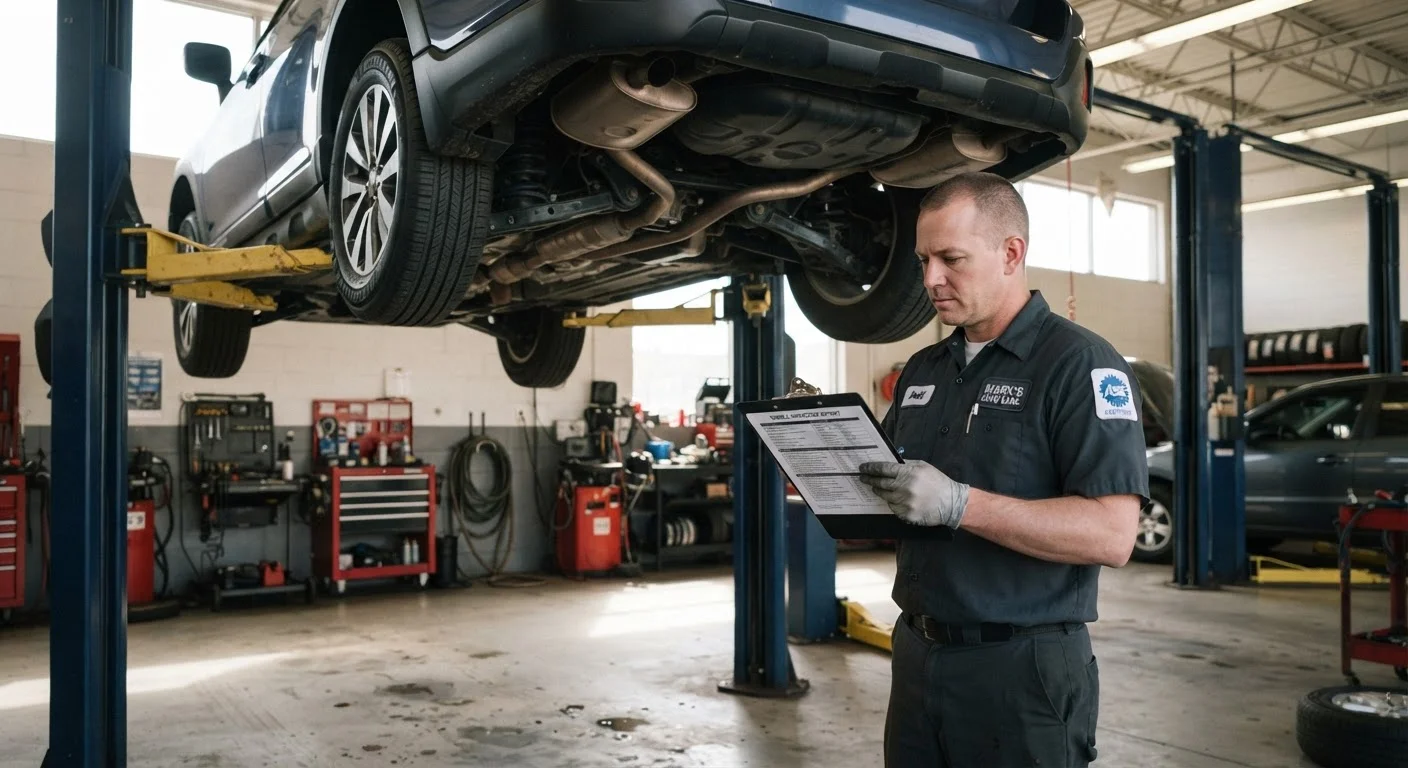
While the exact checklist varies by shop, most multi-point inspections cover five broad categories: tires and wheels, brakes, fluids, lights and electrical, and belts and hoses. Here's what a technician is typically looking at in each area:
- Tires and wheels: Tread depth, inflation pressure, sidewall condition, and signs of uneven wear that may indicate alignment or suspension issues.
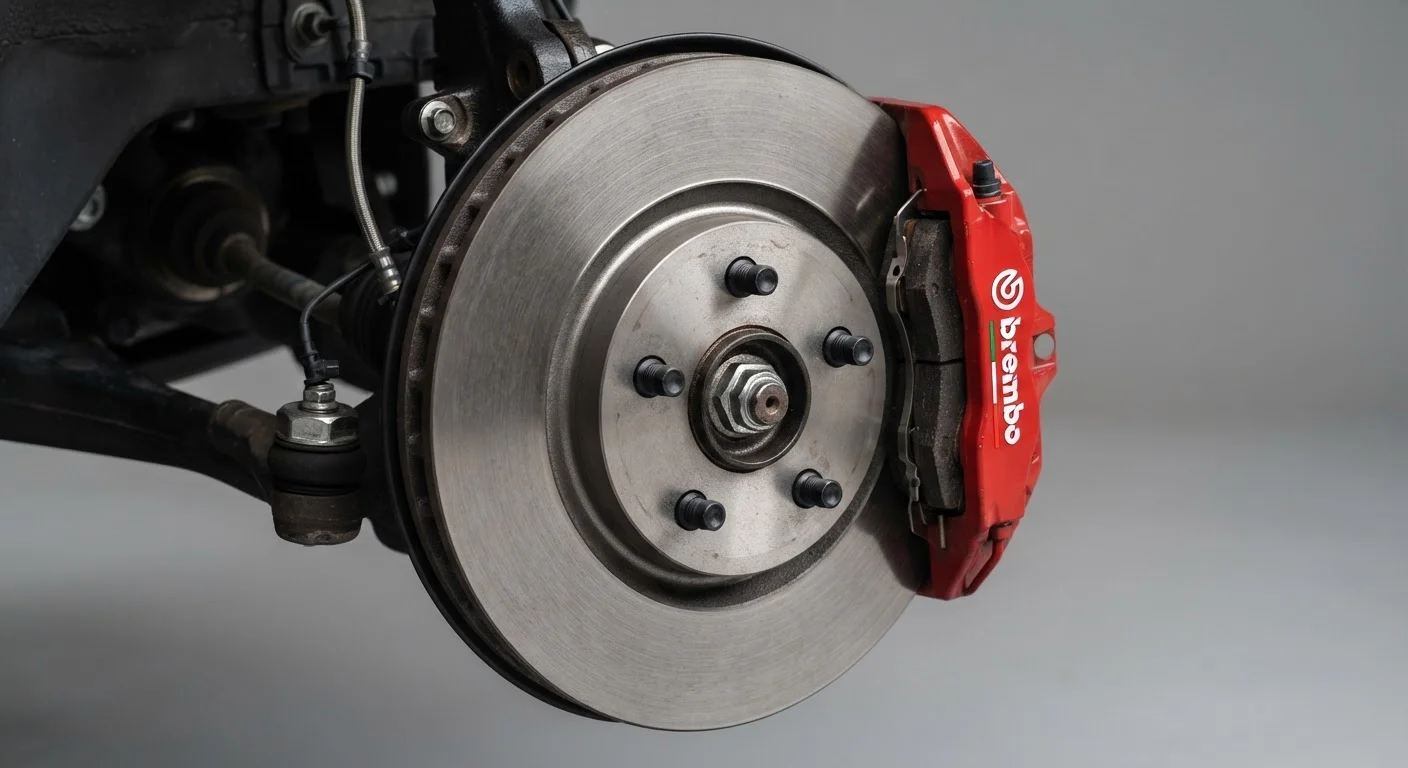
- Brakes: Pad thickness, rotor condition, and brake fluid level. Technicians may note squealing or vibration reported by the driver as well.
- Fluids: Engine oil, coolant, transmission fluid, power steering fluid, brake fluid, and windshield washer fluid - levels and general condition (color, contamination).
- Lights and electrical: Headlights, taillights, turn signals, brake lights, and sometimes battery voltage and charging system output.
- Belts and hoses: Serpentine belt condition, coolant hoses for cracking or swelling, and sometimes timing belt mileage if applicable.
Many inspections also include a visual check of wiper blades, the air filter, cabin air filter, and suspension components visible from underneath the vehicle.
Inspection Scope Varies by Provider
There is no universal industry standard that defines exactly what a multi-point inspection must include. A 27-point inspection at one shop may be more thorough than a 50-point inspection at another, depending on how items are counted and how carefully each is evaluated. When in doubt, ask the service advisor to walk you through what their specific inspection covers before you hand over the keys.
How to Read the Color-Coded Report
Most shops present MPI results using a traffic-light system. Understanding what each color means helps you respond appropriately rather than react emotionally to a long list of flagged items.
- Green
- The item meets acceptable condition standards and requires no action at this time.
- Yellow
- The item is within functional range but approaching a threshold where service should be scheduled - typically within the next few months or service intervals.
- Red
- The item is outside acceptable limits and the shop recommends prompt attention. This does not always mean the vehicle is unsafe to drive, but the technician believes the issue is time-sensitive.
Ask the technician to walk you through any yellow or red items verbally. A good explanation includes the specific measurement or observation that triggered the flag - not just a general statement that something needs replacing.
Ask for the Measurement, Not Just the Label
When a technician says brake pads are 'low,' ask for the actual measurement in millimeters. Most manufacturers recommend replacement between 2-3mm, and knowing the exact figure helps you gauge true urgency. The same applies to tire tread depth - ask for the reading in 32nds of an inch rather than accepting a vague description.
What a Multi-Point Inspection Won't Tell You
An MPI is a snapshot, not a complete picture. It's primarily visual and observational, which means several categories of problems can go undetected:
- Internal engine condition: Oil pressure readings or compression tests require separate procedures.
- Transmission internals: Slipping or shuddering under load won't necessarily show up during a stationary inspection.
- Intermittent electrical faults: Problems that come and go require dedicated scan tools and may need a technician to reproduce the symptom.
- Structural integrity: Frame damage or hidden rust in enclosed areas may not be visible without disassembly.
If you're evaluating a used vehicle before purchase, an MPI from a dealership is a starting point - but it's no substitute for an independent pre-purchase inspection. See the pre-purchase inspection checklist for a more thorough evaluation process. You might also consider pairing that with a vehicle history report to round out your due diligence.
Using Inspection Results Without Getting Oversold
Multi-point inspections are a legitimate service tool - but they're also used as a sales funnel. Some shops have financial incentives to flag additional work, which is why understanding the report puts you in a stronger position.
A few practical guidelines:
- Request the physical report. Don't rely on a verbal summary. The written document gives you something to reference and take elsewhere.
- Separate safety-critical items from convenience items. A worn cabin air filter is different from worn brake pads. Prioritize accordingly.
- Get estimates in writing before authorizing repairs. A flagged item is not an authorization to proceed.
- Seek a second opinion on large-ticket repairs. If a shop recommends significant suspension or transmission work based on an MPI, having an independent mechanic evaluate the same concern is reasonable and common.
Understanding how to interpret this report is part of broader car ownership literacy - the same informed mindset that helps you evaluate your auto insurance coverage or any other ongoing vehicle cost.
~30+
Typical items checked in a standard MPI
Industry-standard multi-point inspections commonly cover 30 or more individual checkpoints across major vehicle systems, though scope varies by shop.
1 in 4
Vehicles with at least one critical maintenance need
According to the Car Care Council, a significant share of vehicles inspected during national car care events show at least one maintenance item in need of immediate attention.