
Why This Inspection Matters Before Any Money Changes Hands
Buying a used vehicle without a structured inspection is one of the most common - and costly - mistakes car buyers make. Unlike a new vehicle purchase, a used car sale typically carries no manufacturer guarantee that every system is functioning as expected. Once you sign and drive away, many problems become your financial responsibility.
This checklist is designed to give you a methodical framework to evaluate any used vehicle before committing. It complements the earlier visual and mechanical checks covered in pre-test-drive inspection guidance, and fits into the full car-buying journey as one of its most critical stages.
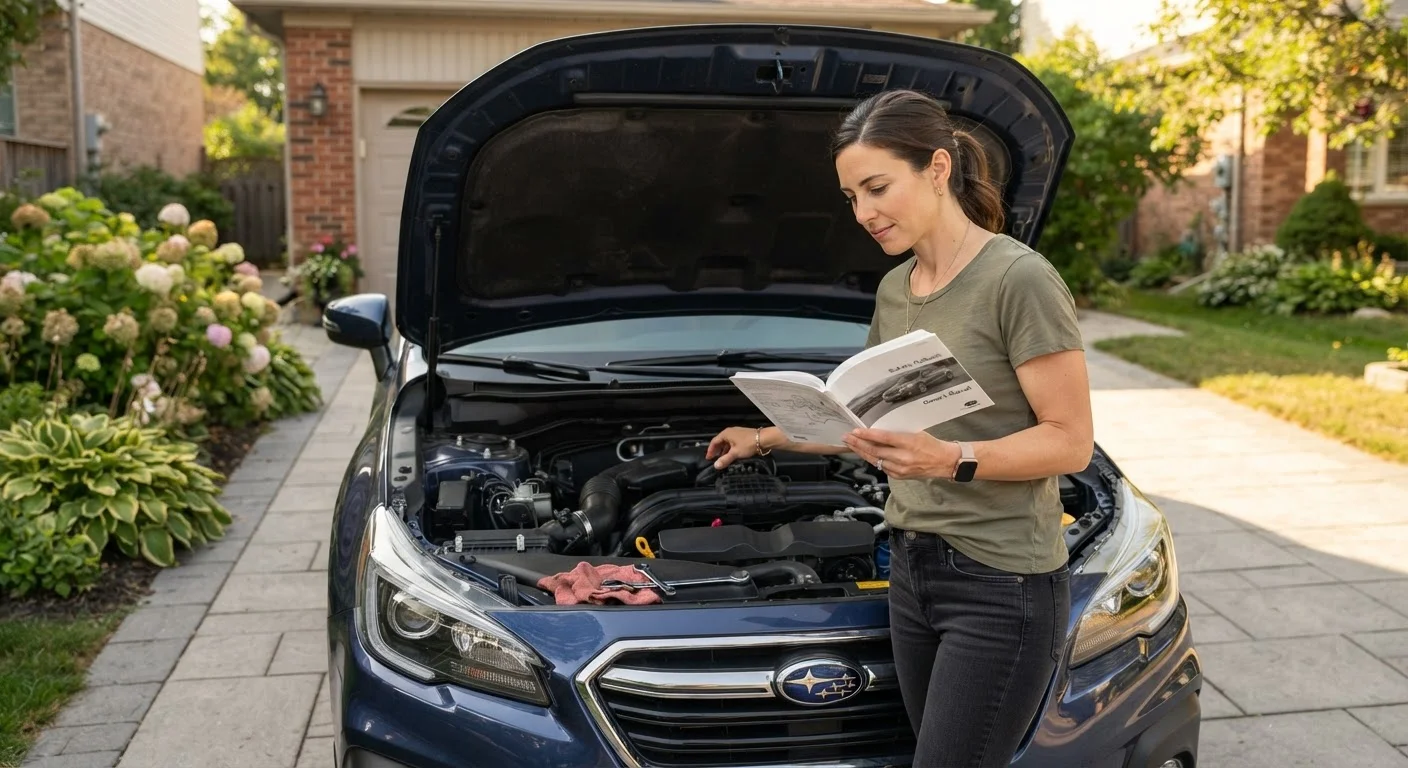
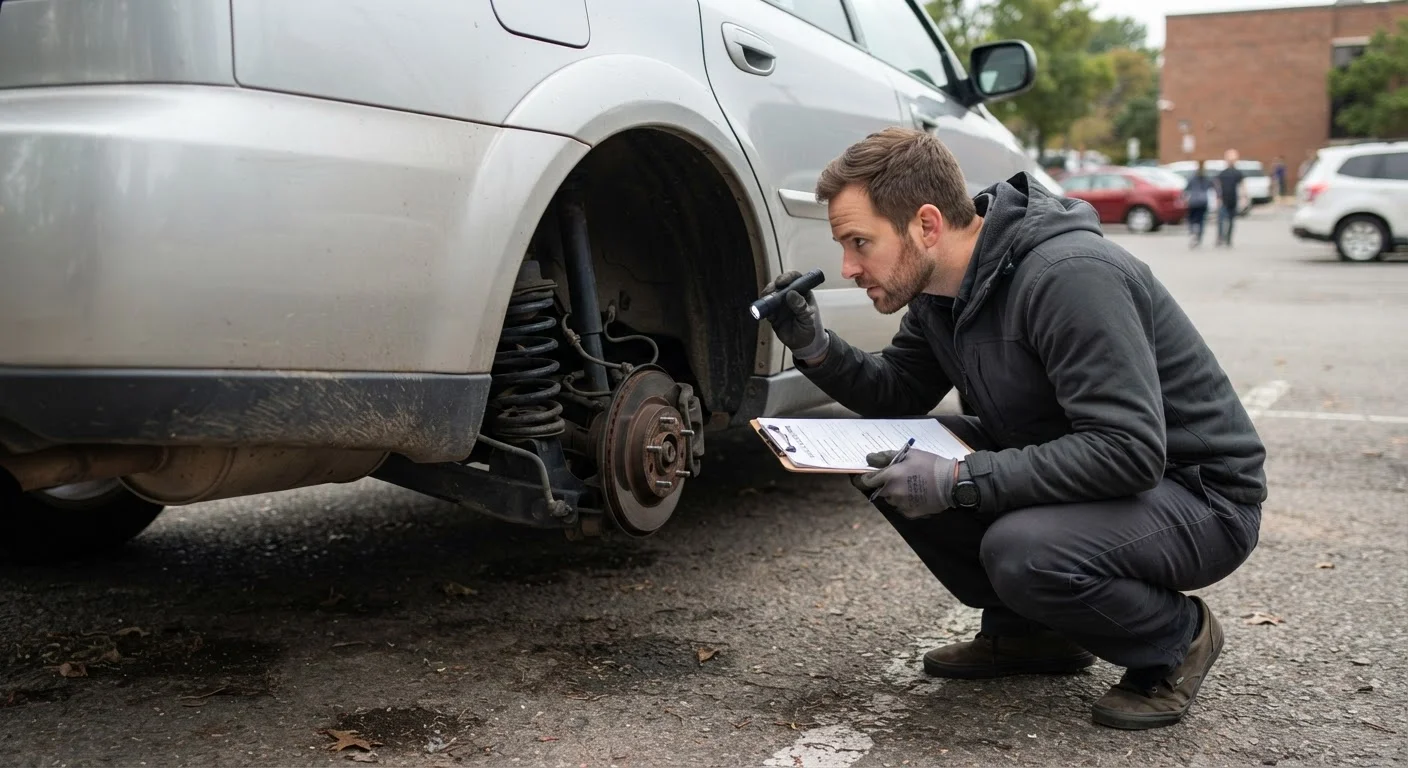
Work through the checklist on-site, in good lighting, with the seller present but without pressure to rush. Give yourself adequate time - at minimum an hour for the walkthrough alone, separate from any mechanic's inspection.
VIN History Report Service
Pulls accident history, title status, odometer records, and past ownership for the specific vehicle you're evaluating.
NHTSA Recall Lookup (nhtsa.gov)
Free government tool to check whether any open safety recalls are associated with the vehicle's VIN.
Independent Pre-Purchase Mechanic
A qualified mechanic performs an on-lift inspection to assess mechanical condition beyond what a visual walkthrough can reveal.
Flashlight or Inspection Light
Helps illuminate wheel wells, undercarriage, and engine bay areas that are difficult to see in shade or low light.
Tread Depth Gauge
Measures remaining tire tread depth accurately so you know whether new tires will be an immediate post-purchase cost.
How to Use This Checklist Effectively
Print this checklist or pull it up on your phone before you arrive. Work each category in order rather than jumping around - this reduces the chance of overlooking something when you're engaged in conversation with the seller.
The items marked must are non-negotiable: skip them and you may miss a problem that significantly changes the vehicle's value or safety. Items marked should are strongly recommended - they surface issues that may not be immediately obvious but can become costly quickly. Nice-to-have items are worth noting but less likely to be deal-breakers on their own.
If you're considering a certified pre-owned vehicle, note that a formal inspection has already been performed - but you should understand what that actually covers. Our article on CPO versus regular used vehicles breaks down what those inspections typically include and where they have limits. Similarly, understanding what a multi-point inspection covers helps you interpret any inspection report you receive.
Exterior & Body
Interior & Controls
Under the Hood
Mechanical & Safety Systems
Paperwork & Vehicle History
Financial & Ownership Preparation
After the Inspection: Paperwork and Next Steps
Once you've completed the physical inspection and received a clean mechanic's report, the paperwork phase is where many buyers let their guard down. Title issues, undisclosed liens, and VIN discrepancies can turn an otherwise solid vehicle into a legal headache.
Verify the VIN in Multiple Locations
A mismatched VIN between the dashboard plate, door jamb sticker, and title is a serious warning sign of potential fraud or a stolen vehicle. Do not proceed with a purchase if VINs do not match across all locations. Contact your local DMV or law enforcement if you suspect the vehicle's identity has been tampered with.
Before you finalize any sale, make sure you understand all the documents involved. The paperwork side of car ownership is an area many buyers underestimate - from title transfer to registration and proof of insurance requirements. Confirm your state's specific requirements for private-party transfers, as these vary and often include a bill of sale, odometer disclosure statement, and emissions certificate depending on your location.
Never Skip the Independent Mechanic
A seller's willingness to let you take the vehicle to an independent shop is itself a meaningful signal. If a seller refuses to allow an independent inspection, treat that as a serious red flag and walk away. The cost of a pre-purchase inspection - typically $100-$200 at most shops - is minor compared to the cost of an undisclosed repair.
Salvage and Rebuilt Titles Change Everything
A vehicle with a salvage or rebuilt title has been declared a total loss by an insurance company at some point. These vehicles can be roadworthy, but they carry significantly reduced resale value, may be uninsurable at standard rates, and can have hidden structural damage. Always clarify title status before investing time in any other part of the inspection.
Completing a thorough pre-purchase inspection takes time and a small upfront cost, but it consistently proves to be one of the most financially sound steps in the car-buying process. Approach it as due diligence, not as an insult to the seller - any honest seller will understand and accommodate your request.