

The Legal Must-Dos Right After Purchase
Driving away from the dealership or a private seller feels like the finish line - but several legal steps still stand between you and fully legitimate ownership. Skipping or delaying them can result in fines, inability to drive legally, or complications if the vehicle is ever in an accident or sold.
Title transfer: The title is the document that legally proves you own the vehicle. In a private sale, the seller signs the back of their title over to you. At a dealership, this is often handled on your behalf, but confirm it is being processed. Most states require the title to be transferred within a set number of days - commonly 10 to 30.
Registration: Separate from the title, registration is an annual authorization from your state to operate the vehicle on public roads. It results in license plates and a registration sticker. Fees vary significantly by state and are sometimes calculated based on the vehicle's value or weight.
Sales tax: When you purchase a vehicle, most states collect sales tax - either at the dealership or when you register. Know your state's rate so you aren't caught off guard. For a detailed look at what the buying process involves, including paperwork and negotiation, that resource covers the full picture.
Vehicle Title
A legal document issued by the state that identifies the official owner of a vehicle. It must be transferred whenever the vehicle is sold.
Vehicle Registration
An annual state authorization that allows you to legally drive your vehicle on public roads. It typically comes with license plates and a registration sticker.
Liability Coverage
Auto insurance that pays for damage or injuries you cause to other people or their property in an accident. It does not pay to repair your own vehicle.
Depreciation
The gradual loss of a vehicle's market value over time due to age, mileage, and wear. It affects what you can recover when you sell or trade in the car.
Comprehensive Coverage
An optional (or lender-required) insurance type that covers non-collision events such as theft, fire, flood, or vandalism.
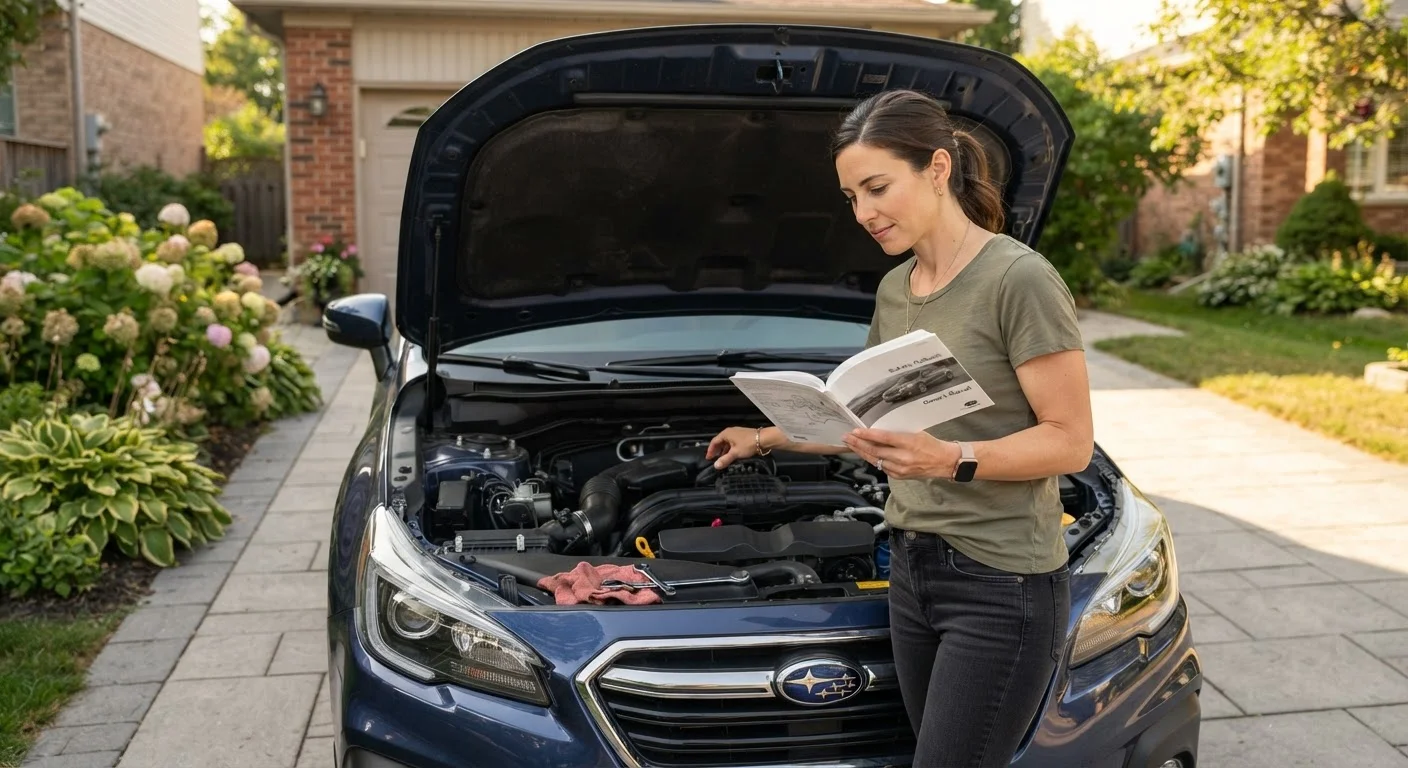
Owner's Manual
The manufacturer-issued booklet that comes with every vehicle, detailing recommended maintenance intervals, warning light meanings, fluid specifications, and operating guidelines.
Understanding Auto Insurance
In nearly every U.S. state, carrying a minimum level of auto insurance is a legal requirement - not an option. At minimum, most states mandate liability coverage, which pays for damage or injuries you cause to others. It does not cover your own vehicle.
Beyond the legal minimum, common coverage types include collision (repairs your car after an accident regardless of fault), comprehensive (covers theft, weather, and non-collision events), and uninsured motorist protection. If you financed your vehicle, your lender will likely require both collision and comprehensive coverage until the loan is paid off.
Premiums are influenced by your age, driving record, location, vehicle type, and coverage limits. New drivers - particularly young ones - typically face higher rates initially. Shopping around and understanding what each coverage type actually pays for is more valuable than focusing only on the monthly premium.
Get Insurance Before You Drive
Arrange your auto insurance policy before the day of purchase - not after. Most insurers allow you to add a new vehicle to an existing policy or create a new one with same-day effective coverage. Driving even a short distance without valid insurance exposes you to fines, license suspension, and personal financial liability if an accident occurs.
The True Cost of Ownership
Many first-time owners focus almost entirely on the purchase price or monthly payment, underestimating what the vehicle will actually cost to keep on the road. Ownership involves a stack of recurring and occasional expenses beyond the sticker price.
- Fuel: Calculated by your annual mileage divided by the vehicle's miles-per-gallon rating, multiplied by the local fuel price. This is often one of the largest recurring costs.
- Insurance: Paid monthly or semi-annually, and non-negotiable if you want to drive legally.
- Registration and taxes: Annual fees that vary by state.
- Routine maintenance: Oil changes, tire rotations, filters, and fluid top-offs on a scheduled basis.
- Unexpected repairs: Even reliable vehicles need unplanned work. A reserve fund for this is a practical necessity, not a luxury.
- Depreciation: The vehicle loses value over time, which matters when you eventually sell or trade it in.
For a structured breakdown of what Americans typically spend across all these categories, see our annual car ownership costs reference.
Routine Maintenance: Your Core Responsibilities
A vehicle is a mechanical system - one that degrades faster without consistent upkeep. The good news is that most routine maintenance is predictable and inexpensive compared to the repairs that result from neglecting it.
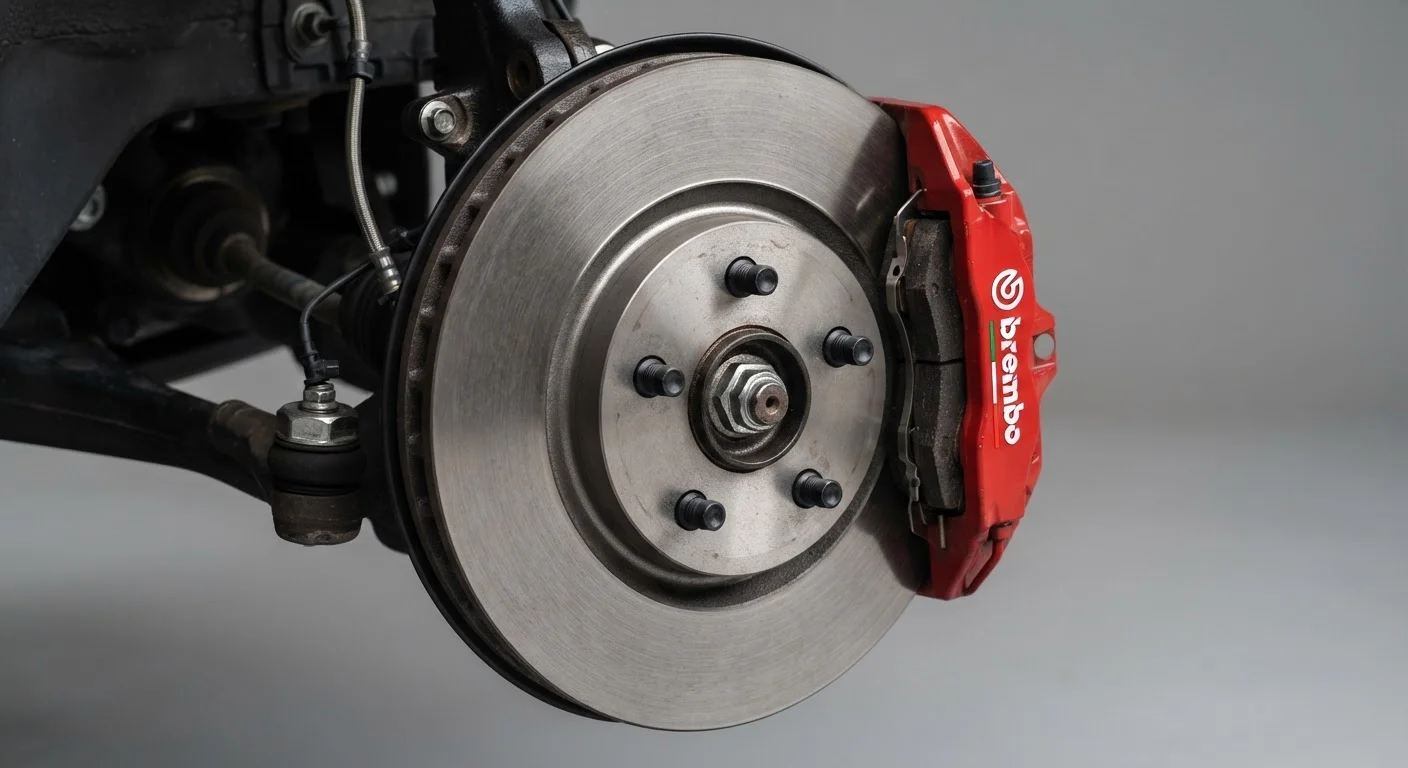
Your owner's manual contains a manufacturer-recommended maintenance schedule. Follow it. Common milestones include oil changes (intervals vary by vehicle and oil type - consult your manual), tire rotations every 5,000 to 7,500 miles, air and cabin filter replacements, brake inspections, and periodic fluid checks for coolant, transmission fluid, and brake fluid.
Warning lights on the dashboard are communication tools, not decorations. When one appears, have it diagnosed promptly. Delaying can turn a minor issue into a costly repair.
For a broader overview of what keeping a vehicle in good shape requires over time, our car maintenance hub covers maintenance schedules, common repairs, and what to expect at each service interval.
Don't Skip Dashboard Warning Lights
Ignoring a warning light - especially the check engine, oil pressure, or temperature indicators - can turn a straightforward fix into a major mechanical failure. If a light appears and you're unsure what it means, consult your owner's manual and have the vehicle inspected by a qualified mechanic promptly. Continuing to drive with an active warning can cause serious engine or safety system damage.
Building Good Habits From Day One
The owners who get the most reliable service from their vehicles - and the strongest returns when they sell - tend to share a few consistent habits.
Keep records. Every oil change, tire rotation, and repair receipt belongs in a folder (physical or digital). This history demonstrates care to future buyers and helps you spot patterns in recurring issues.
Build a maintenance budget. Set aside a small fixed amount each month for routine upkeep and a separate emergency reserve for unexpected repairs. Treating this as a fixed expense prevents the sticker shock of a large repair bill.
Know your vehicle. Read the sections of your owner's manual covering warning lights, recommended fuel grade, tire pressure specs, and towing limits. This knowledge costs nothing and prevents expensive mistakes.
If you're still deciding between owning and leasing, our article on leasing versus buying explains the real differences in what you own, owe, and control under each arrangement. Ownership is a commitment - but one that rewards those who approach it with clear expectations and consistent follow-through.