
What You're Actually Paying for Each Year
Most drivers think of their car payment as the cost of ownership. In reality, the loan or lease payment is just one line on a much longer ledger. Industry estimates - including data tracked by organizations such as AAA - consistently show that the total annual cost of owning and operating a typical new vehicle runs well into the thousands beyond the purchase price. Understanding each category gives you a realistic budget baseline and helps you spot where costs can be managed.
For a fuller picture of expenses that start the moment you drive off the lot, see The True Cost of Owning a Car Beyond the Sticker Price.
The Six Core Expense Categories
Car ownership costs fall into six well-defined buckets. Each varies based on vehicle type, location, driving habits, and market conditions.
1. Depreciation
Depreciation is typically the single largest annual cost, representing the loss in a vehicle's market value over time. New vehicles can lose a significant portion of their value in the first few years of ownership. This cost is realized when you sell or trade in the vehicle, but it accrues every year.
2. Financing (Interest)
If you financed your purchase, the interest portion of your loan payments is a real annual cost separate from the principal you're paying down. Your interest rate, loan term, and amount financed all determine this figure.
3. Insurance
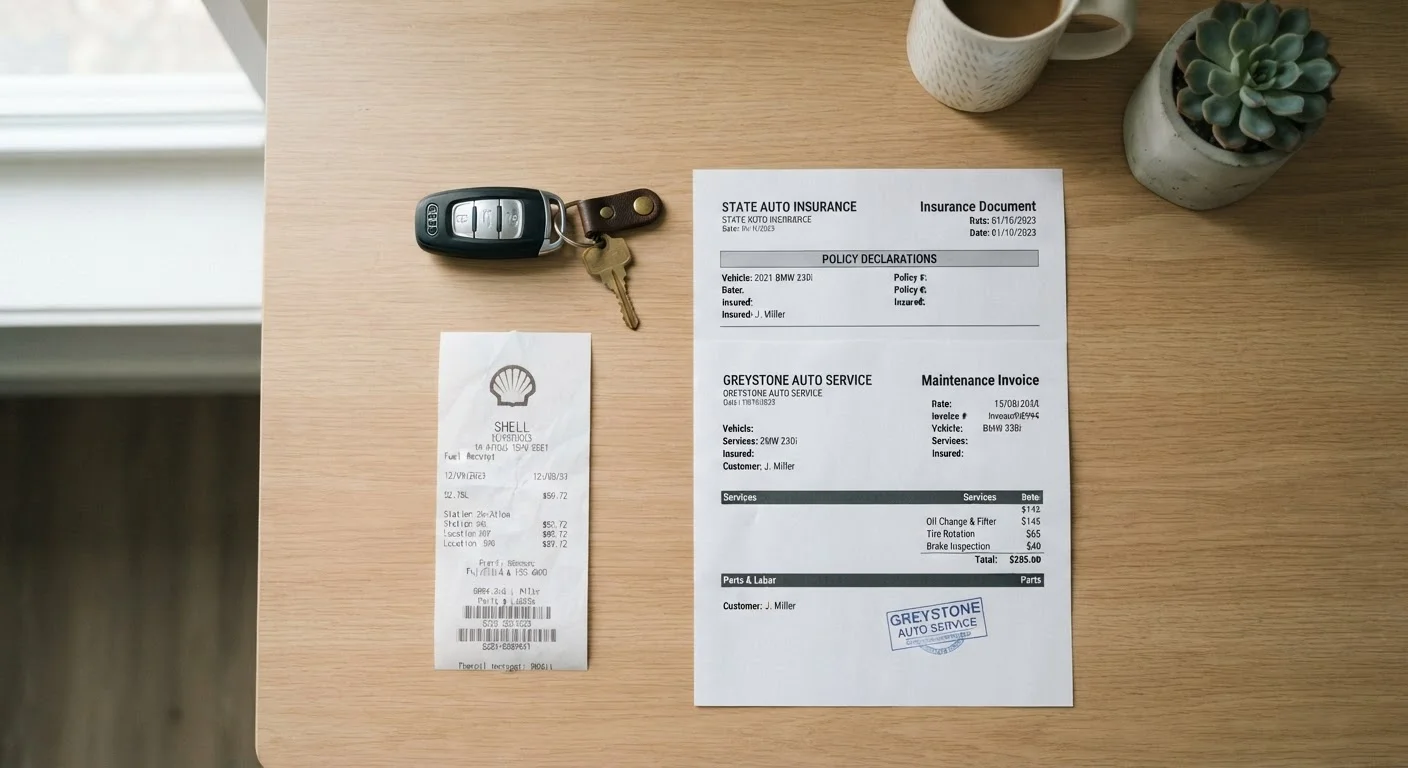
Auto insurance premiums vary widely by state, coverage level, driving record, age, and vehicle type. Liability-only coverage costs considerably less than full comprehensive and collision coverage, but the latter is typically required by lenders. Premiums are paid monthly or semi-annually and represent a fixed, recurring ownership expense.
4. Fuel
Fuel cost depends on how many miles you drive annually, your vehicle's fuel economy rating, and local gas prices. Drivers of hybrid or electric vehicles face a different calculation involving electricity rates and, potentially, charging infrastructure costs.
5. Maintenance and Repairs
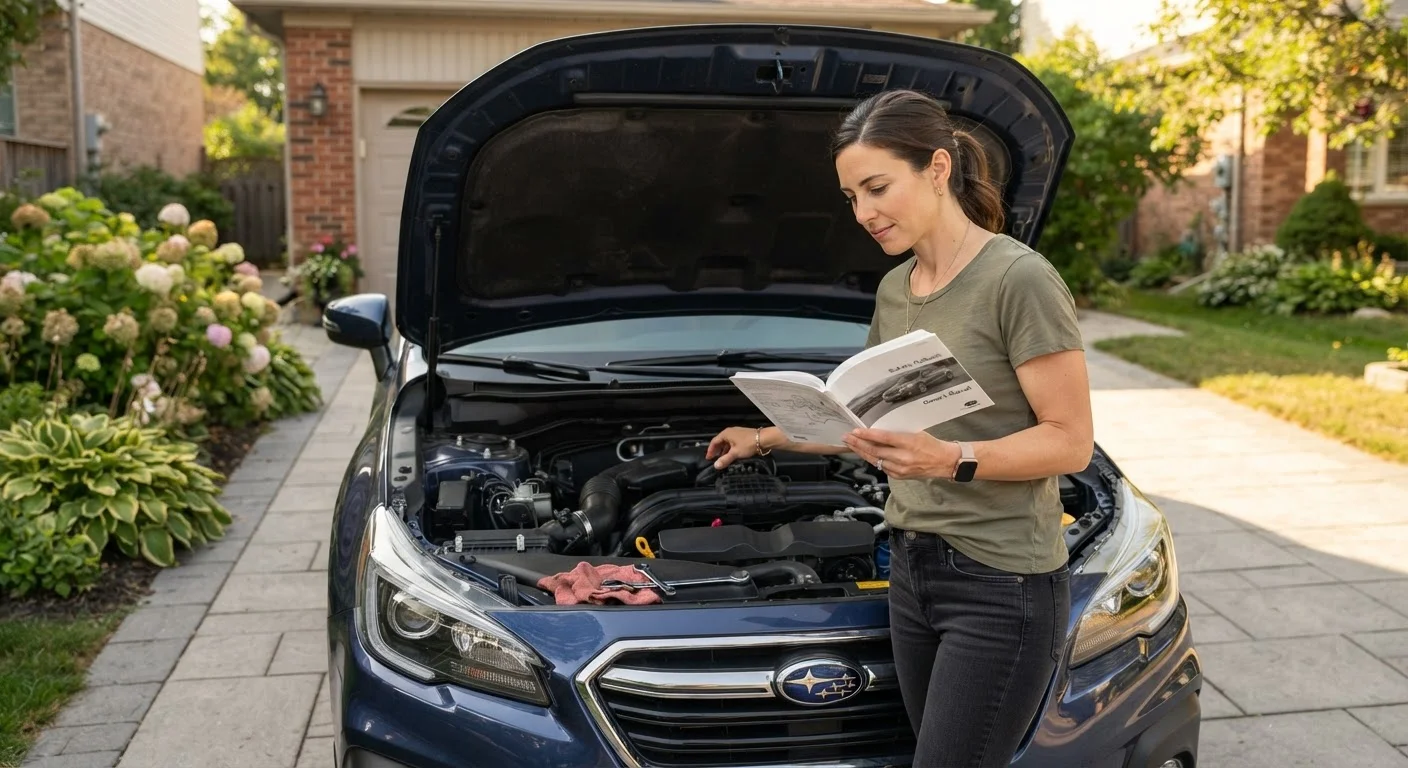
Routine maintenance - oil changes, tire rotations, brake inspections, air filter replacements - is predictable and schedulable. Unplanned repairs are not. Together, these costs tend to rise as a vehicle ages. Car Maintenance resources can help you stay ahead of routine service intervals.
To understand how overlooked upkeep quietly compounds costs, see where car owners lose the most money without realizing it.
6. Registration, Taxes, and Fees
Annual vehicle registration fees, state and local property taxes on vehicles, and emissions or safety inspection fees are recurring government-imposed costs. These vary significantly by state - some states assess annual personal property tax on vehicles, others do not.
Depreciation
The reduction in a vehicle's market value over time. It is typically the largest component of total annual ownership cost and is realized when the vehicle is sold or traded in.
Total Cost of Ownership (TCO)
The full financial cost of owning a vehicle over a defined period, including depreciation, financing, insurance, fuel, maintenance, and fees - not just the purchase price.
Comprehensive Coverage
An auto insurance component that covers damage to your vehicle from non-collision events such as theft, weather, or falling objects. Often required by lenders on financed vehicles.
Annual Registration Fee
A government-imposed fee paid each year to keep a vehicle legally registered and licensed to operate on public roads. Amounts and structures vary by state.
Fuel Economy (MPG)
A measure of how far a vehicle travels per gallon of fuel, expressed as miles per gallon. Higher MPG directly reduces annual fuel expenditure at a given mileage level.
Putting the Numbers in Context
The exact total depends heavily on your specific situation. A driver covering 15,000 miles per year in a midsize sedan in a high-insurance state will face a very different annual cost profile than someone driving 8,000 miles in a rural area with a paid-off vehicle. What stays consistent is the category structure - depreciation, financing, insurance, fuel, maintenance, and fees apply to virtually every owner.
First-time owners often underestimate how much these categories add up. Understanding what car ownership actually involves is a useful starting point before committing to a vehicle budget. For households weighing major asset costs, it can also be instructive to compare vehicle ownership against the true annual cost of owning a home - both carry significant recurring obligations beyond a headline payment.
Using this category framework when budgeting - rather than focusing only on the monthly payment - gives you a substantially more accurate picture of what a vehicle will cost you over the years you own it.