
Crepuscular, Not Nocturnal: Setting the Record Straight
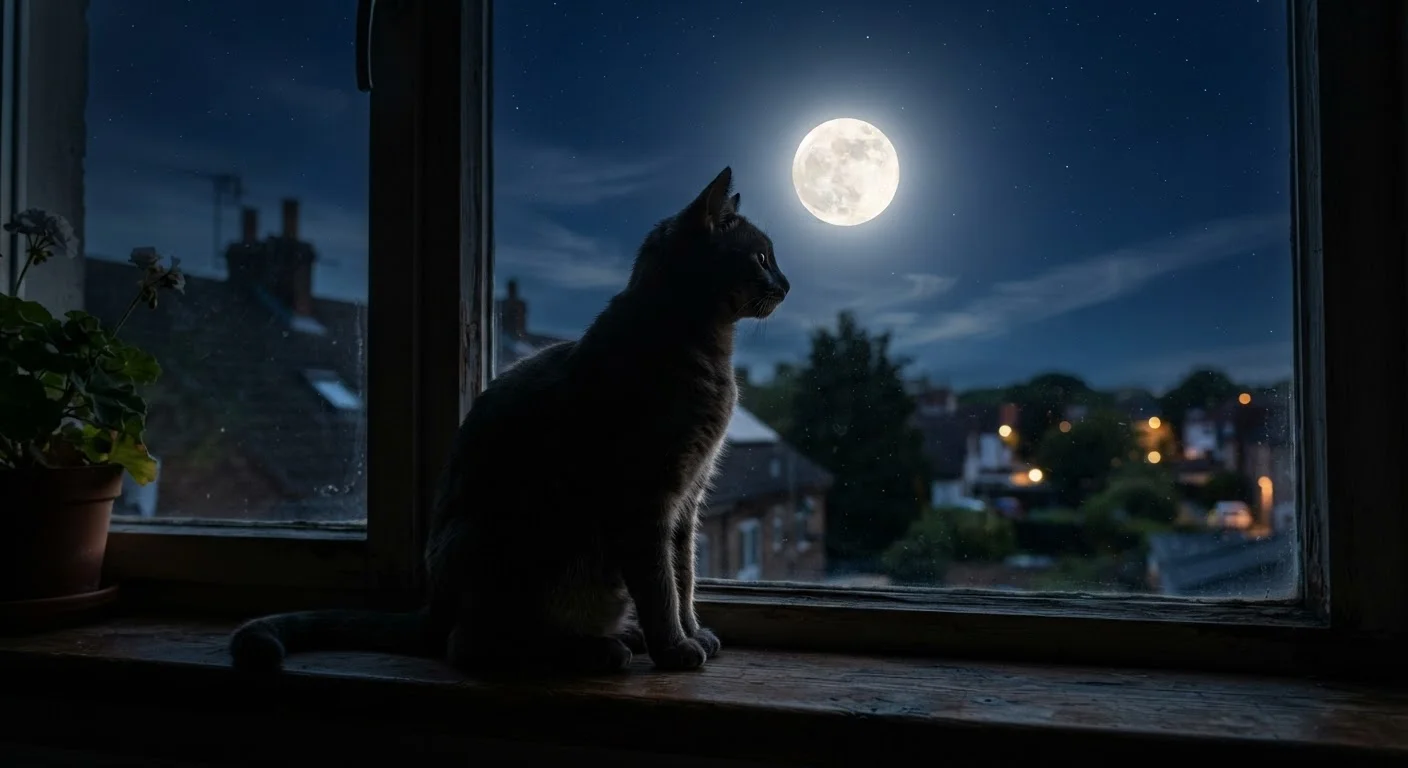
The popular image of a cat prowling through a pitch-black house at midnight is more cultural myth than biological fact. Domestic cats - like their wild ancestors - are crepuscular, a term that describes animals most active during the dim light of dawn and dusk. This timing was no accident: the small prey cats evolved to hunt, including mice and birds, are also most active during those transitional hours.
That said, cats are opportunistic and flexible. They can and do stir during the night, especially if they slept most of the afternoon undisturbed. Unlike strictly nocturnal animals, cats don't have a rigid commitment to darkness - they respond to stimuli, hunger, and social cues whenever they occur.
Understanding this distinction matters because it shapes realistic expectations. Your cat padding around at 11 p.m. isn't malfunctioning - it's simply doing what its biology loosely permits. The goal isn't to eliminate that behavior entirely, but to understand its rhythm. For a broader look at how a cat's environment shapes its habits, see our article on indoor vs. outdoor pet trade-offs.
Why Nighttime Zoomies and Vocalizations Happen
Two of the most common - and most disruptive - nighttime behaviors are sudden bursts of running (colloquially called "zoomies") and loud vocalizations. Both have identifiable behavioral roots.
The Zoomies
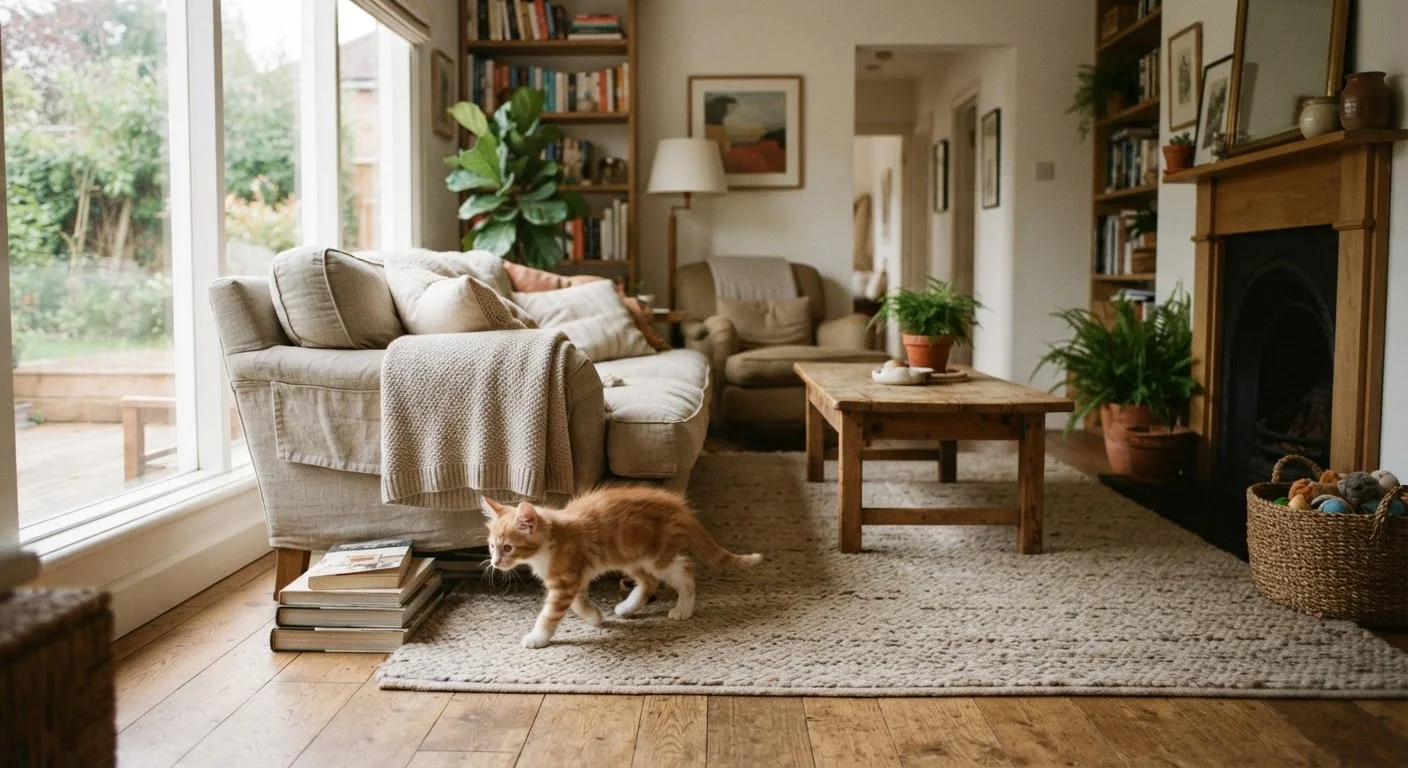
Zoomies are a release of accumulated predatory energy. Cats are built to stalk, chase, and pounce. When they don't get adequate stimulation during waking hours, that drive doesn't simply disappear - it surfaces later, often as frantic sprinting at inconvenient hours. Indoor cats are particularly prone to this because they lack the environmental variety that outdoor roaming provides.
Nighttime Vocalizations
Cats may meow, trill, or yowl at night for several reasons: seeking attention, communicating hunger, or expressing general restlessness. In unspayed or unneutered cats, reproductive drives can also produce persistent nighttime calling. Importantly, a cat that was previously quiet but suddenly begins yowling at night - especially an older cat - may be signaling a medical issue rather than a behavioral one. Conditions including hyperthyroidism and feline cognitive dysfunction syndrome (a form of age-related cognitive decline) are known to cause increased nighttime vocalization.
Crepuscular vs. Nocturnal: A Quick Distinction
Nocturnal animals - like owls and raccoons - are most active in full darkness and have biological adaptations specifically suited to nighttime conditions. Crepuscular animals, like cats, peak during dawn and dusk when light is low but not absent. Cats do have excellent low-light vision, but that's an adaptation to their crepuscular hunting niche, not evidence of purely nocturnal biology.
These behaviors connect to the same predatory instincts behind other puzzling feline habits. Our guide on cat kneading, chirping, and slow blinking explains the science behind several common feline signals.
How Domestic Life Shifts a Cat's Schedule
One of the more remarkable aspects of feline biology is how adaptable cats are to human routines - up to a point. Research into cat behavior suggests that domestic cats often shift their activity patterns to overlap more with their owners', particularly when they receive consistent feeding, play, and social interaction at predictable times.
This adaptability is practical. A cat that is actively played with and fed on a schedule tends to front-load its activity during human waking hours, leaving quieter stretches at night. The mechanism is partly learned association - the cat comes to anticipate meals and play at certain times - and partly social, since cats are more socially flexible than their independent reputation suggests.
Try a Hunt-Eat-Sleep Routine
Veterinary behaviorists often recommend structuring a cat's evening around the natural predatory sequence: engage your cat with interactive play (the 'hunt'), then offer the last meal of the day (the 'eat'). Most cats will naturally groom and settle down to sleep afterward. Doing this consistently about an hour before your own bedtime can meaningfully reduce late-night disruptions.
However, adaptation has limits. A cat left alone all day with nothing to do will almost certainly redistribute its energy into the hours you'd prefer to sleep. Enrichment - puzzle feeders, vertical climbing spaces, window perches with outdoor views - helps cats expend energy appropriately throughout the day.
When to Take Nighttime Behavior Seriously
Most nighttime cat activity falls within the range of normal feline behavior. But certain changes deserve closer attention.
- Sudden onset in an older cat: New or intensified nighttime restlessness or vocalizations in a cat over 10 years old can indicate conditions like hyperthyroidism, hypertension, or feline cognitive dysfunction. A veterinary checkup is the right first step.
- Signs of disorientation: If your cat appears confused, walks in circles, or seems to stare at walls at night, cognitive or neurological issues may be involved.
- Changes paired with other symptoms: Increased nighttime activity alongside changes in appetite, weight, litter box habits, or thirst warrants prompt veterinary evaluation.
It's also worth noting that some cats vocalize more at night simply because the household is quiet and they want company. This is behavioral rather than medical, but it can still affect sleep quality for owners and is worth addressing through routine and enrichment adjustments.
For a broader look at how nighttime hunting instincts play out in other ways, our piece on why cats bring home prey offers useful context.
This article is for general informational purposes only and does not constitute veterinary advice. If you have concerns about your cat's behavior or health, consult a licensed veterinarian.