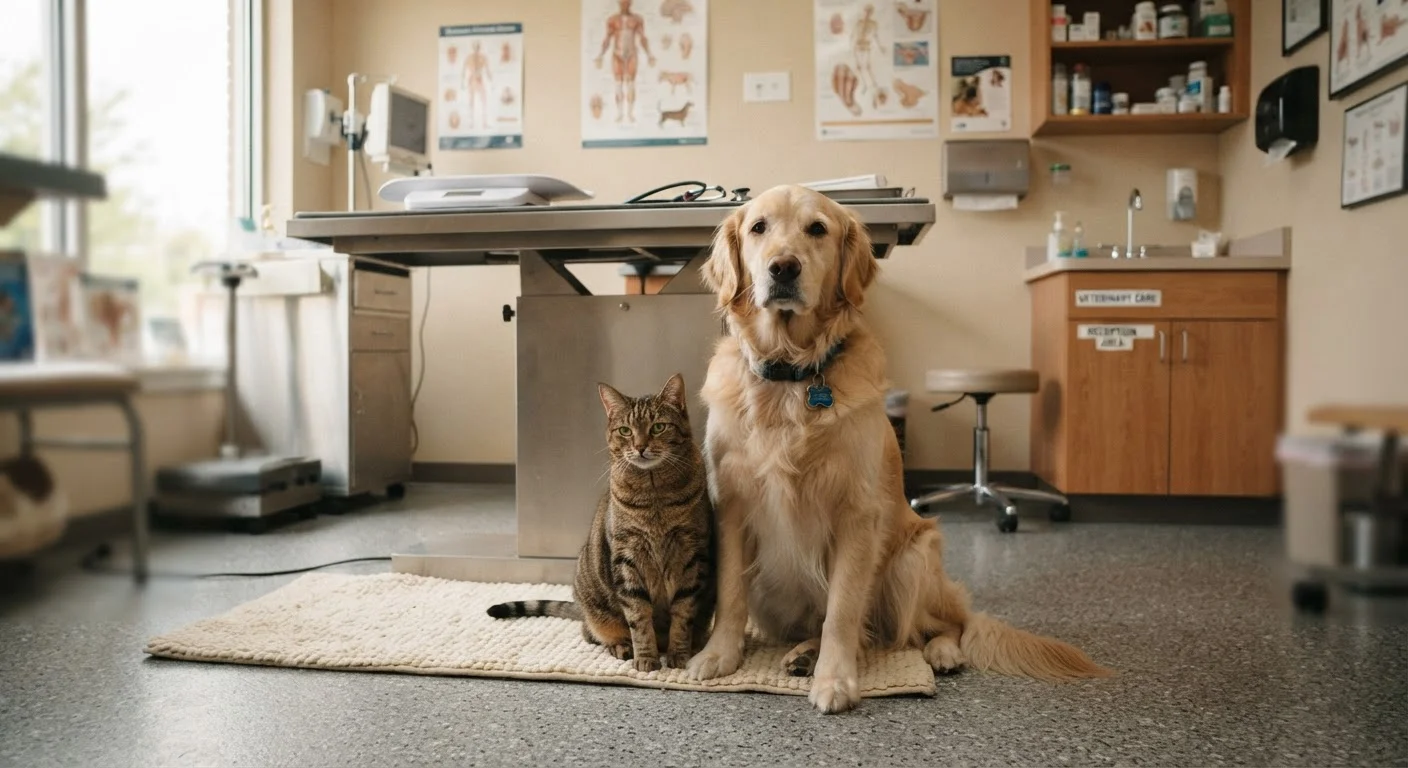


Vaccinations: Same Goal, Different Schedules
Both cats and dogs receive core vaccines - those recommended for every pet regardless of lifestyle - and non-core vaccines chosen based on individual risk. The core vaccines, however, are not the same for each species.
For dogs, core vaccines typically include rabies, canine distemper, parvovirus, and adenovirus (often given as a combination). Non-core options include leptospirosis (particularly relevant for dogs with outdoor or water exposure), Bordetella (kennel cough), and Lyme disease in tick-heavy regions.
For cats, core vaccines generally cover rabies and the FVRCP combination (feline viral rhinotracheitis, calicivirus, and panleukopenia). The feline leukemia virus (FeLV) vaccine is considered core for kittens and non-core for adult cats depending on outdoor access and exposure risk.
Booster timing also varies. After the initial kitten or puppy series, many core vaccines move to a three-year schedule for adult pets, though some - like Bordetella in dogs or FeLV in high-risk cats - may be given annually. Your veterinarian is the right person to determine the appropriate schedule for your specific pet. For a broader look at how vaccines fit into overall preventive health, see our plain-language overview of preventive pet care.
| Criterion | Cats | Dogs |
|---|---|---|
| Core vaccines | Rabies, FVRCP | Rabies, DA2PP (distemper combo) |
| Common non-core vaccines | FeLV (for at-risk cats) | Bordetella, Leptospirosis, Lyme |
| Heartworm prevention | Recommended; no treatment if infected | Essential; monthly prevention standard |
| Illness detection | Often masks symptoms until advanced | More likely to show early behavioral signs |
| Senior screening frequency | Twice yearly from age 7+ | Twice yearly; earlier for large breeds |
| Breed-specific health risks | Less documented; some breed links exist | Well-established; orthopedic, cardiac screening common |
| Dental disease risk | High; tooth resorption unique to cats | High; periodontal disease most common |
Parasite Prevention: Shared Risks, Different Priorities
Flea and tick prevention applies to both species, particularly for pets with any outdoor exposure. However, heartworm prevention is where the two species diverge most sharply in practice.
Dogs are the primary host for heartworm and are widely accepted to require year-round prevention in most U.S. regions. The American Heartworm Society recommends monthly preventive medication for all dogs. Cats are not natural hosts and rarely develop large worm burdens, but they can still be infected - and there is no approved treatment for heartworm in cats, making prevention the only protective strategy. Yet cats are frequently left off prevention protocols.
Intestinal parasites - roundworms, hookworms, tapeworms - affect both species and are routinely screened via annual fecal tests. Dogs, given their tendency to sniff and ingest environmental material, may face slightly higher routine exposure, but cats are far from immune. For a full breakdown of how these parasites spread and how vets approach prevention, our guide to parasite prevention in pets covers each type in detail.
70%+
Pets with dental disease by age 3
The American Veterinary Medical Association estimates the majority of dogs and cats show signs of periodontal disease by their third year of life.
1 in 3
Cats estimated to develop kidney disease
Chronic kidney disease is among the most common conditions in aging cats, often progressing silently before clinical signs appear, according to veterinary internal medicine literature.
All 50 states
U.S. states reporting heartworm in dogs
The American Heartworm Society notes that heartworm disease has been diagnosed in dogs across every U.S. state, underscoring the broad geographic relevance of prevention.
Wellness Exams and Health Screening
Annual wellness exams are the foundation of preventive care for both species, but the frequency often needs to increase as pets age. Most veterinarians recommend twice-yearly visits for cats and dogs over seven years old - a threshold that comes earlier in large-breed dogs, who age more rapidly.
One critical difference: cats are exceptionally good at hiding illness. This is a survival instinct rooted in their evolution as both predator and prey. By the time a cat displays obvious symptoms, a condition may already be significantly advanced. That's one reason routine bloodwork and urinalysis - not just physical examination - are particularly valuable in cats, especially for detecting early kidney disease or hyperthyroidism.
Dogs, meanwhile, are more likely to show behavioral changes or physical signs earlier, though this varies by individual and breed. Breed-specific screenings matter more in dogs: large and giant breeds may warrant hip and elbow evaluations, while certain breeds are predisposed to cardiac conditions warranting cardiac screening. For more on what happens during a routine exam and why it matters, see why your pet's annual vet visit matters more than you think.
Dental health is a shared concern - periodontal disease affects the majority of pets by age three - but cats may be especially prone to a painful condition called tooth resorption, which has no equivalent in dogs. Our article on why dental health is one of the most overlooked parts of pet care explains what to watch for in both species.
Lifestyle factors also shape screening needs significantly. An indoor cat faces very different risks than an outdoor one. For a clear breakdown of those trade-offs, indoor vs. outdoor pets: understanding the trade-offs is a useful companion read.
This article is for general informational purposes only and is not a substitute for professional veterinary advice. Always consult a licensed veterinarian for guidance specific to your pet's health needs.