
The Budget Looked Fine at Home
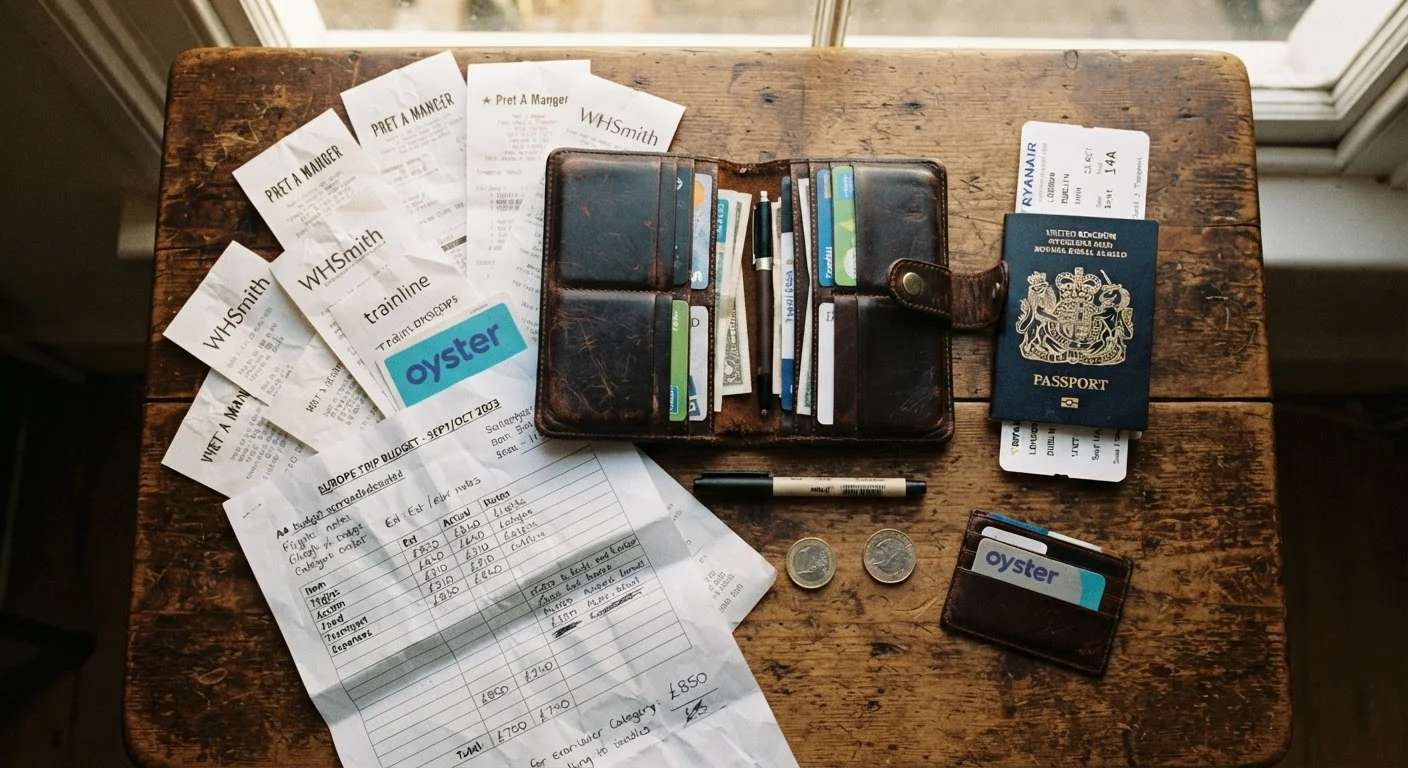
You did the math. Flights, hotel, a rough daily allowance - it all added up to something manageable. Then two days into the trip, the numbers stopped making sense. Sound familiar? You're not bad at math. You're dealing with a planning gap that trips up even experienced travelers.
The core problem is that most pre-trip budgets account for anticipated costs while systematically underestimating the frictional spending that travel generates - the taxis taken because you're exhausted, the overpriced bottle of water bought out of necessity, the entry fee nobody mentioned online. Understanding where these gaps come from is the first step to closing them. For a full breakdown of every expense category worth planning around, see Travel Budgeting From Scratch.
Common Mistakes That Derail Travel Budgets
The following patterns show up again and again - across destination types, trip lengths, and traveler experience levels. Recognizing them before you leave is far easier than managing them mid-trip.
Budgeting only for known costs and ignoring destination-specific fees.
Why it happens: Travelers research headline prices - flights and hotels - but rarely dig into resort fees, city tourist taxes, national park entry charges, or mandatory gratuities that many destinations add automatically.
Treating the credit card as a safety valve without tracking the running total.
Why it happens: When cash isn't physically leaving your wallet, it's easy to lose a mental sense of scale. Small charges accumulate invisibly until the statement arrives weeks later.
Ignoring currency conversion costs and foreign transaction fees.
Why it happens: Most travelers assume the exchange rate they see quoted online is what they'll actually receive. In practice, airport kiosks, hotel exchanges, and certain ATMs apply markups that can quietly add up over a week-long trip.
Setting no meaningful contingency buffer.
Why it happens: Travelers often think "I'll be careful" substitutes for an actual reserve. It doesn't. Unexpected costs - a health issue, a missed connection, a mandatory quarantine situation, a stolen item - don't care about good intentions.
Eating and drinking exclusively in tourist-facing areas.
Why it happens: Convenience and unfamiliarity drive people toward the nearest visible restaurant, which is almost always priced for visitors rather than locals.
Underestimating in-destination transportation costs.
Why it happens: Ground transport is rarely the focus of pre-trip budgeting, so travelers allocate vaguely or not at all - then absorb taxi and rideshare costs as they come, often daily.
One often-overlooked budget lever is timing. Traveling during peak season inflates nearly every line item: accommodation, tours, and even restaurant prices in high-traffic tourist zones. Shoulder and off-peak travel carries fewer trade-offs than most people assume and can meaningfully reduce pressure on your daily spend.
The Habits That Actually Keep a Budget Intact
~30%
Average budget overrun on leisure trips
Travel industry surveys consistently find that a significant share of travelers spend more than planned, most commonly on food and unplanned activities.
10-15%
Recommended contingency buffer
Financial planners and experienced travel writers broadly suggest reserving at least this portion of a trip's total budget as an untouched emergency cushion.
The travelers who stay on budget aren't necessarily the most frugal - they're the most aware. Checking a spending tracker app at the end of each day (even a basic one) takes three minutes and surfaces overruns before they compound. Setting a per-day ceiling, rather than a lump-sum trip total, makes the math more intuitive in the moment.
Overpacking your itinerary also has a real dollar cost. When you're exhausted from sprinting between sights, you default to expensive convenience: taxis over transit, sit-down tourist restaurants over local spots, skipped free experiences because you've run out of time. A well-paced itinerary isn't just kinder to your energy - it's genuinely easier on your wallet.
Airport and Hotel Exchange Rates Cost More Than You Think
Currency exchange desks at airports and hotel front desks typically offer significantly worse rates than bank ATMs or no-fee travel cards. If you're exchanging cash on the fly at these locations throughout a trip, the cumulative cost can be meaningful. Plan your currency strategy before departure rather than improvising at the destination.
Before you leave, work through a thorough pre-departure checklist. Setting up travel notifications on cards, noting your bank's foreign transaction policies, and confirming any pre-paid reservations takes an hour at home and prevents expensive scrambles abroad. A solid pre-trip checklist is one of the simplest tools available to any traveler. For those heading overseas, budget surprises tend to hit harder - international travel planning deserves its own careful review before you go.