
Flexibility: Who Controls the Itinerary?
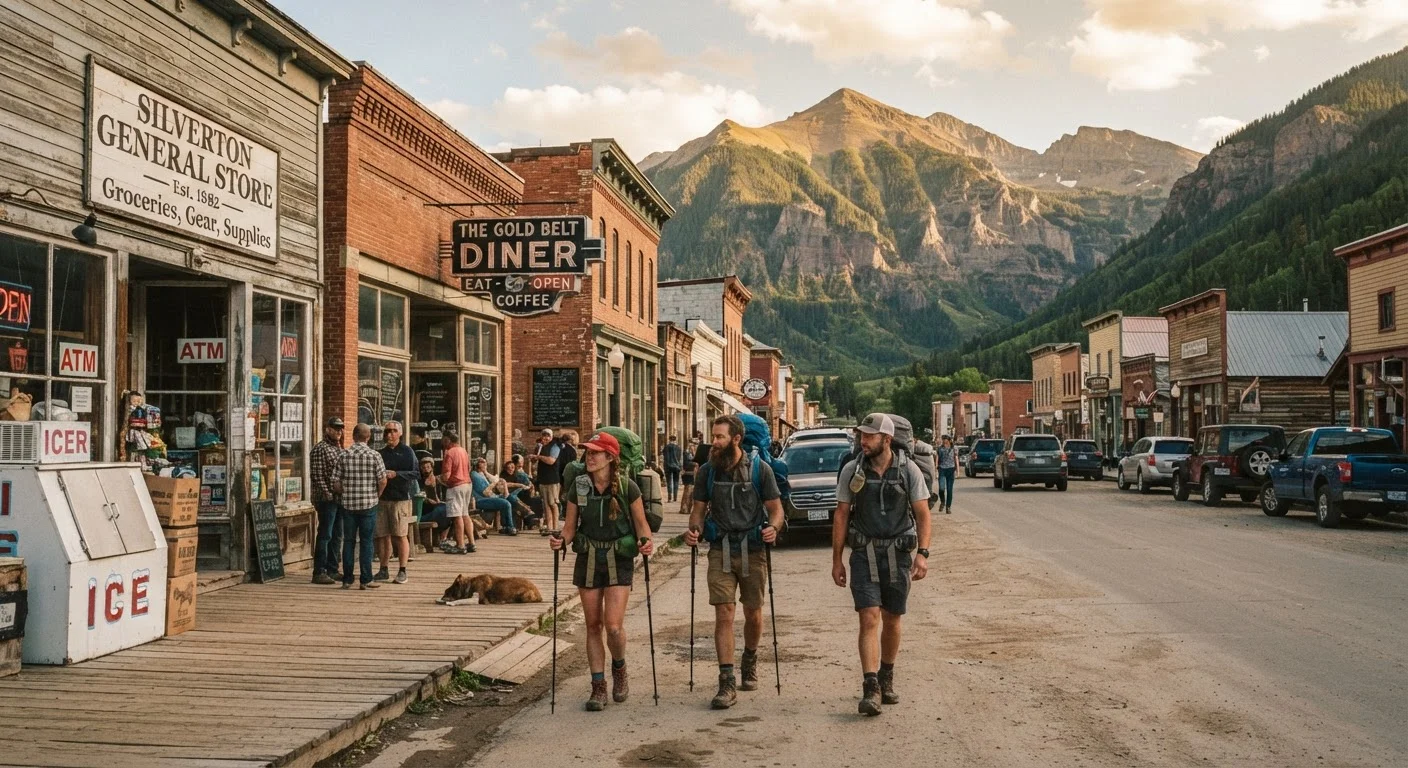
This is where the two approaches diverge most sharply. When you travel solo, you are the planner, the decision-maker, and the spontaneous detour-taker all at once. If you want to spend an extra morning at a local market instead of visiting another cathedral, you simply do it. That kind of freedom is genuinely hard to replicate.
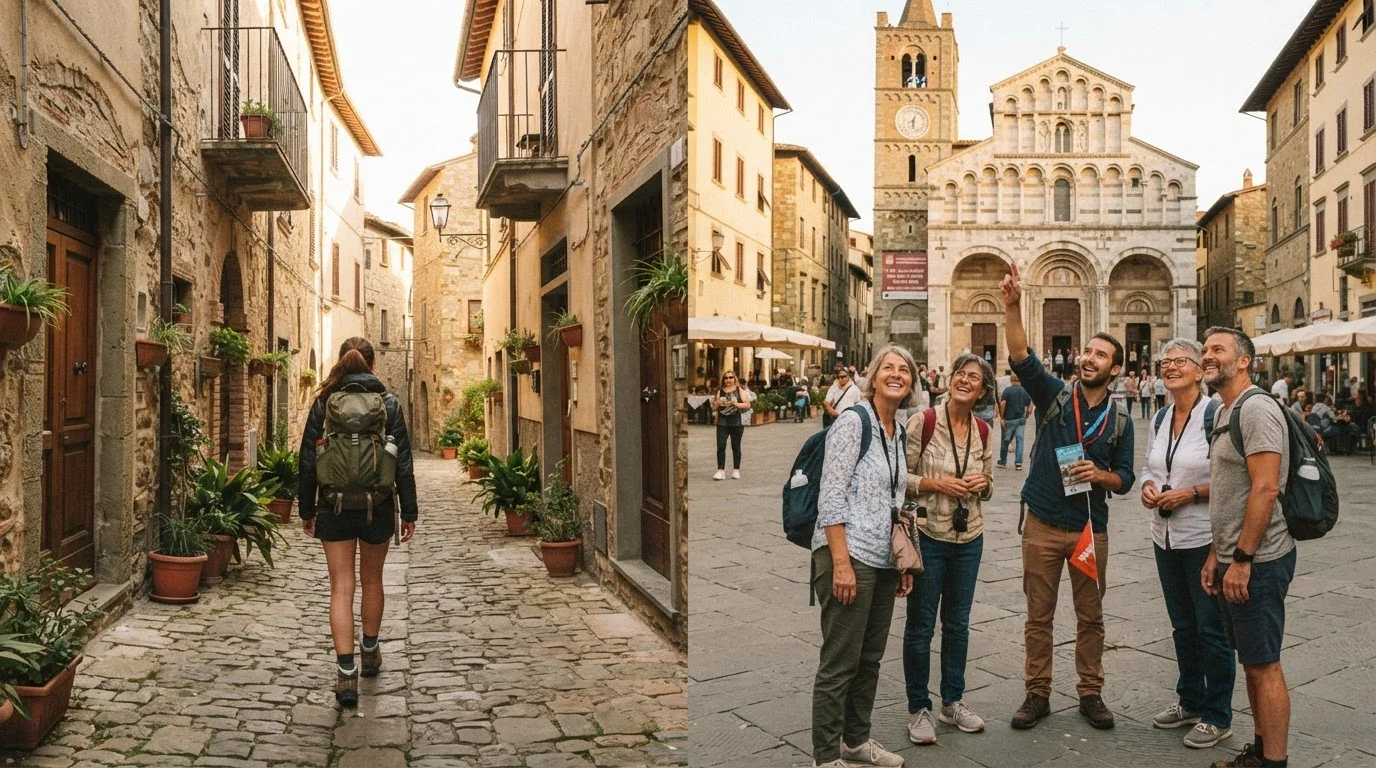
Group tours run on schedules - necessarily so, since coordinating a dozen or more people requires structure. You'll see what's on the itinerary, when it's scheduled, for however long the guide allocates. Some travelers find this liberating in its own way: decisions are already made, so mental bandwidth is freed up. Others find it quietly frustrating.
If building your own daily flow sounds appealing, a thoughtful itinerary framework can help you structure solo days without burning out on constant decision-making.
Try a Hybrid Approach
Many travelers find that booking a short group tour for one leg of a longer solo trip gives them the best of both worlds. A two-day guided excursion into a remote area or a specific cultural experience can supplement an otherwise independent journey without sacrificing overall freedom.
Cost: It's More Complicated Than It Looks
Group tours bundle accommodation, transport, and often meals into a single quoted price, which makes budgeting straightforward. Solo travel costs are variable - you might spend significantly less by staying in hostels and eating local street food, or significantly more if your preferences run toward private rooms and sit-down restaurants.
Group tours typically negotiate better rates on entry fees and accommodation, but that savings is baked into the package price alongside markup and operator profit. Solo travelers pay retail but also have full control over where that money goes.
| Solo Travel | Group Tours | |
|---|---|---|
| Flexibility | Full control over pace and plans | Fixed itinerary, limited deviation |
| Cost predictability | Variable, depends on choices | Fixed all-in price upfront |
| Logistics burden | High - you handle everything | Low - operator manages logistics |
| Social experience | Self-directed, organically social | Built-in group, structured social time |
| Best for complex destinations | Challenging without experience | Structured access, local guides |
| Spontaneity | High - change plans freely | Low - schedule-driven |
| Safety net | Self-reliant, plan your own backup | Group and guide provide support |
One commonly overlooked factor: solo travelers often pay a "singles surcharge" on cruises or certain package trips when they book alone - a good reason to understand the fine print before committing. Pre-booking strategy also plays a real role in how solo costs shake out.
Safety and Destination Complexity
Safety is deeply context-dependent. In well-touristed destinations with reliable infrastructure, solo travel carries manageable risk for most adults. In destinations with significant language barriers, political instability, or limited tourist infrastructure, a group tour can reduce real friction and provide genuine safety in numbers.
Before committing to either approach, solid destination research is non-negotiable. Understanding entry requirements, local customs, and safety conditions well ahead of departure helps you assess which format makes sense for a given trip. Always verify travel advisories and entry rules through official government sources before traveling.
Solo travelers - particularly solo women travelers - often report that they adapt their approach by destination rather than committing to one style universally. That's a sensible instinct.
Social Dynamics: Alone Isn't the Same as Lonely
Solo travel has a reputation for loneliness that reality often contradicts. Traveling alone tends to make you more approachable - locals and fellow travelers engage more readily with someone on their own than with a couple or a closed group. Hostels, walking tours, and coworking spaces have built entire ecosystems around connecting independent travelers.
Group tours, by contrast, deliver instant social structure. You share meals, transport, and experiences with the same people for the duration - which can produce genuine friendships or, occasionally, friction with travel personalities that don't mesh with yours. It's worth knowing you can't easily opt out of the social contract once you've signed on.
The international travel experience looks different depending on whether you're navigating it solo or with a curated group - and both versions have real merit depending on your social energy and the destination.
Choosing What Fits Your Trip - Not Just Your Personality
The honest answer is that most seasoned travelers don't pick one approach and stick to it forever. They use both, matching format to context. A structured group tour might be exactly right for a first trip to a destination with a complex visa landscape or significant cultural distance, while solo travel is the obvious choice for a region you know well and love exploring at your own pace.
It's also worth considering that timing and seasonality interact with both formats differently - group tours may operate on fixed seasonal schedules, while solo travelers can often capitalize on quieter windows more easily.
The best framework isn't "which style am I?" but rather "what does this particular trip need?" Answer that question honestly, and the choice between solo travel and a group tour usually becomes straightforward.