

Why Seasonal Checks Matter
Temperature extremes stress every major system in your vehicle. Heat degrades rubber seals, accelerates fluid breakdown, and strains the cooling system. Cold thickens oil, reduces battery output, and causes tire pressure to drop. Addressing these predictable stresses before each season - rather than after something fails - is the most cost-effective maintenance habit a driver can build.
This checklist is organized into two core seasonal transitions: preparing for warmer months and preparing for colder months. Many items apply year-round and are marked accordingly. Work through each group at the start of the relevant season, and pair this routine with a broader year-round maintenance schedule to ensure nothing falls through the cracks.
Know When to Call a Professional
This checklist covers visual and basic hands-on inspections any driver can perform safely. However, brake system work, suspension inspection, fuel system service, and anything involving airbag components should always be performed by a qualified mechanic. Attempting those repairs without proper training and tools can cause serious injury or compromise your vehicle's safety systems.
Tools and Resources You'll Need
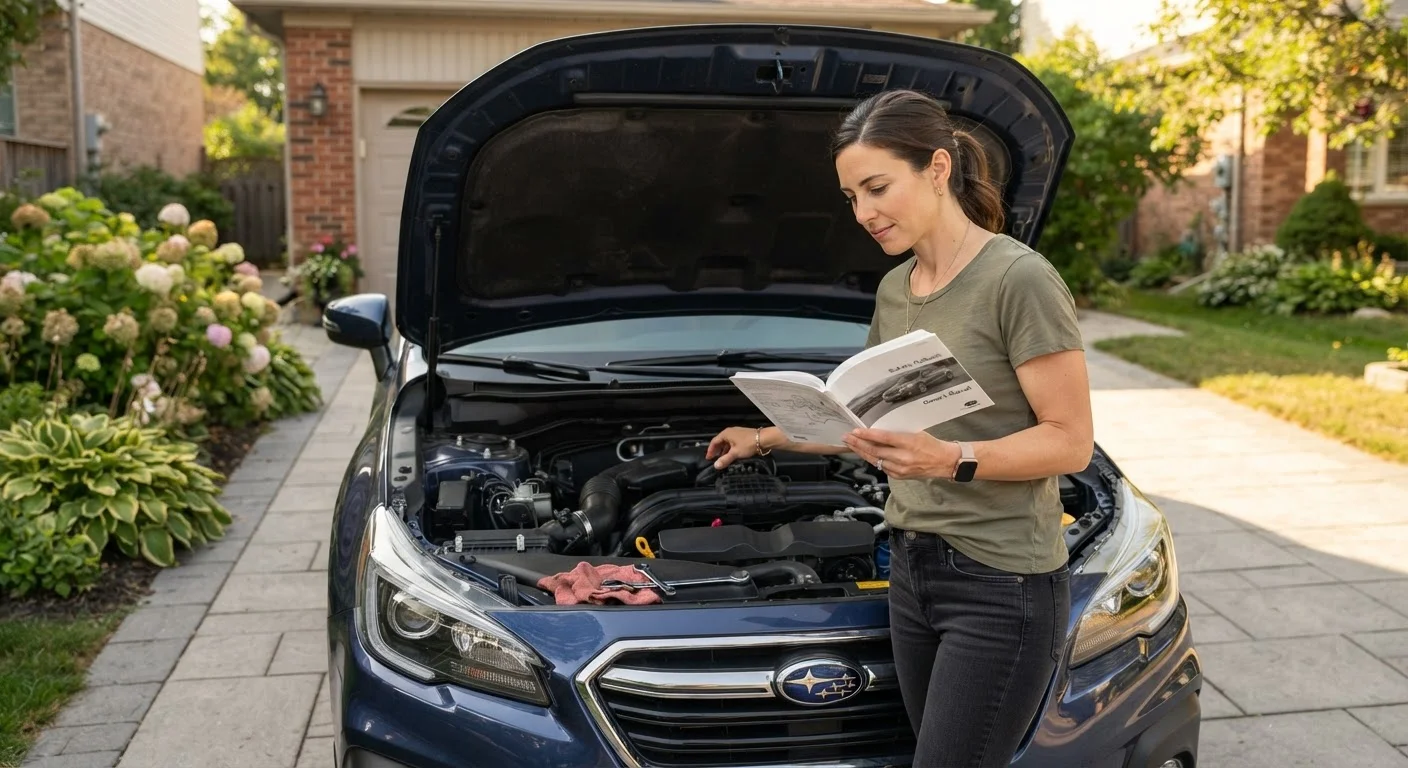
Most seasonal checks can be done in a driveway with a few basic tools. For anything beyond visual inspection - such as brake pad measurement, suspension inspection, or battery load testing - a qualified mechanic should be involved. Knowing your limits is part of responsible ownership.
Tire pressure gauge
Measures PSI accurately so you can correct pressure at each seasonal temperature shift.
Digital multimeter or battery tester
Checks battery voltage and helps identify electrical issues before they cause a no-start situation.
Flashlight or work light
Allows safe inspection of the engine bay, undercarriage, and tire sidewalls in low-light conditions.
Owner's manual
Specifies your vehicle's recommended fluid types, capacities, and service intervals for each season.
Coolant test strips
Quickly check antifreeze concentration and freeze protection level before winter arrives.
Tread depth gauge
Provides a precise measurement of remaining tire tread versus relying solely on the coin test.
The Seasonal Maintenance Checklist
Work through each group below at the appropriate time of year. Items marked must are non-negotiable safety or reliability steps. Should items are strongly recommended. Nice-to-have items improve comfort and longevity but are lower urgency.
Cooling & Fluid Systems (Spring/Summer Focus)
Tires (Year-Round, Season-Specific Actions)
Battery & Electrical (Fall/Winter Focus)
Brakes & Safety Systems (Year-Round)
Wipers & Visibility (Seasonal Transitions)
Emergency Kit & Seasonal Supplies
For a deeper look at what your vehicle's fluids do and how to inspect them yourself, see our guide to checking car fluids. Battery performance in particular deserves close attention - learn how temperature affects battery life before cold weather arrives.
Battery Failure Is the Leading Cause of Cold-Weather Breakdowns
A battery that tests at borderline capacity in October may fail entirely in January - cold temperatures can reduce battery output by up to 35%. If your battery is three years old or older, have it load-tested before winter, not after the first hard freeze. Replacement is far less disruptive than a dead battery in a parking lot at 10°F.
Before Any Long Trip, Go a Step Further
Seasonal prep covers your vehicle's baseline health, but if you're heading into demanding terrain - a road trip through the desert Southwest, a mountain drive in early spring - layer in additional preparation. Our remote desert driving checklist covers vehicle-specific steps for extreme conditions. Similarly, if you're leaving home for an extended trip, the pre-trip home and travel checklist helps you make sure nothing is left undone before you go.
Just as homeowners winterize their properties each fall - see the home weatherization checklist - drivers who treat seasonal car prep as a fixed calendar event consistently avoid the most common cold- and heat-related breakdowns. Schedule it, do it, and drive with confidence.