
Why Powertrain Choice Starts With Your Routine
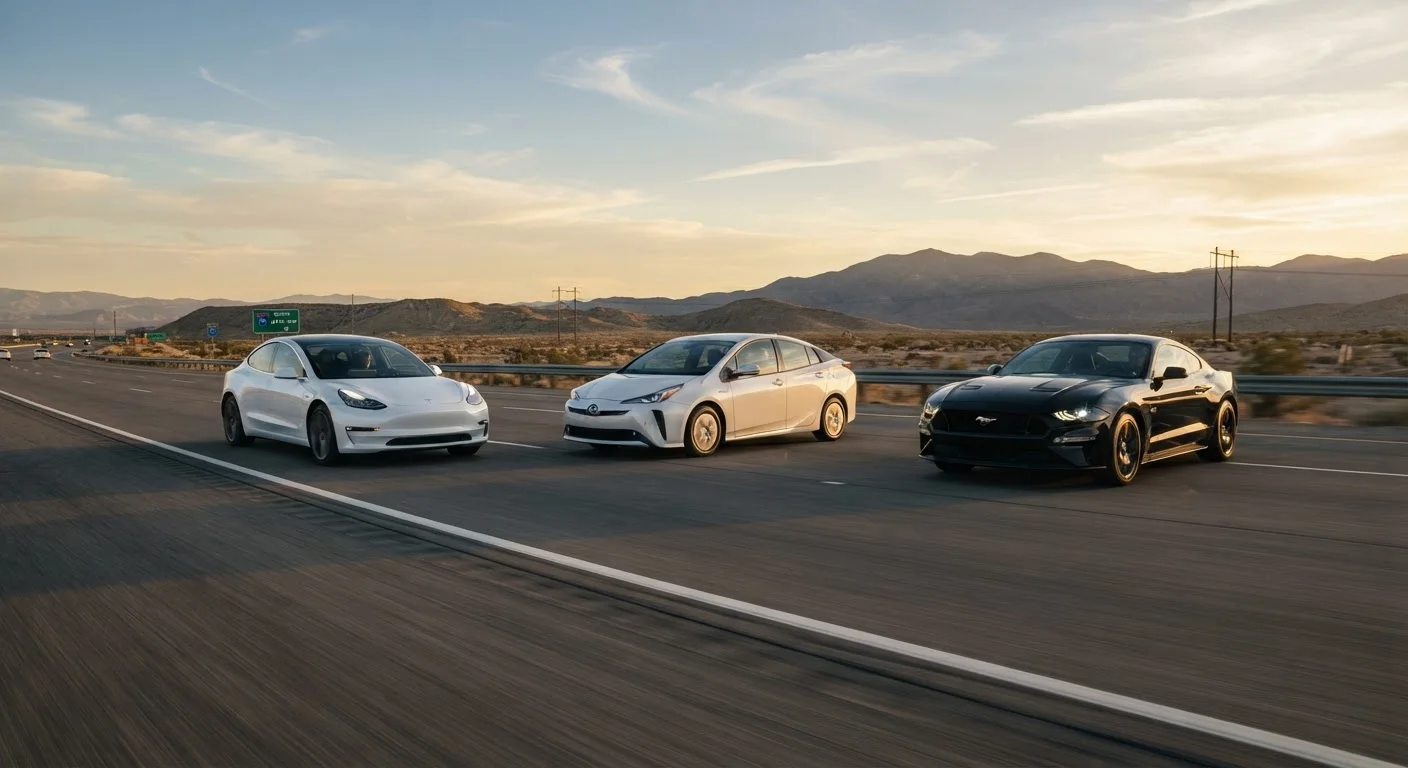
The powertrain debate - electric vs. hybrid vs. gas - often gets framed around technology or environmental politics. The more useful frame is simpler: what does your driving actually look like? A suburban commuter covering 30 miles a day has fundamentally different needs than a rural contractor hauling equipment across state lines.
Before comparing numbers, map your baseline. Consider your average daily mileage, whether you have a garage or dedicated parking where you could install a charger, how often you take long highway trips, and whether public charging infrastructure is reasonably available in your area. Those four factors will do more to narrow your options than any spec sheet. See our full car-buying walkthrough for a broader framework on evaluating vehicles before you set foot in a dealership.
Electric Vehicles: Strong Case for the Right Driver
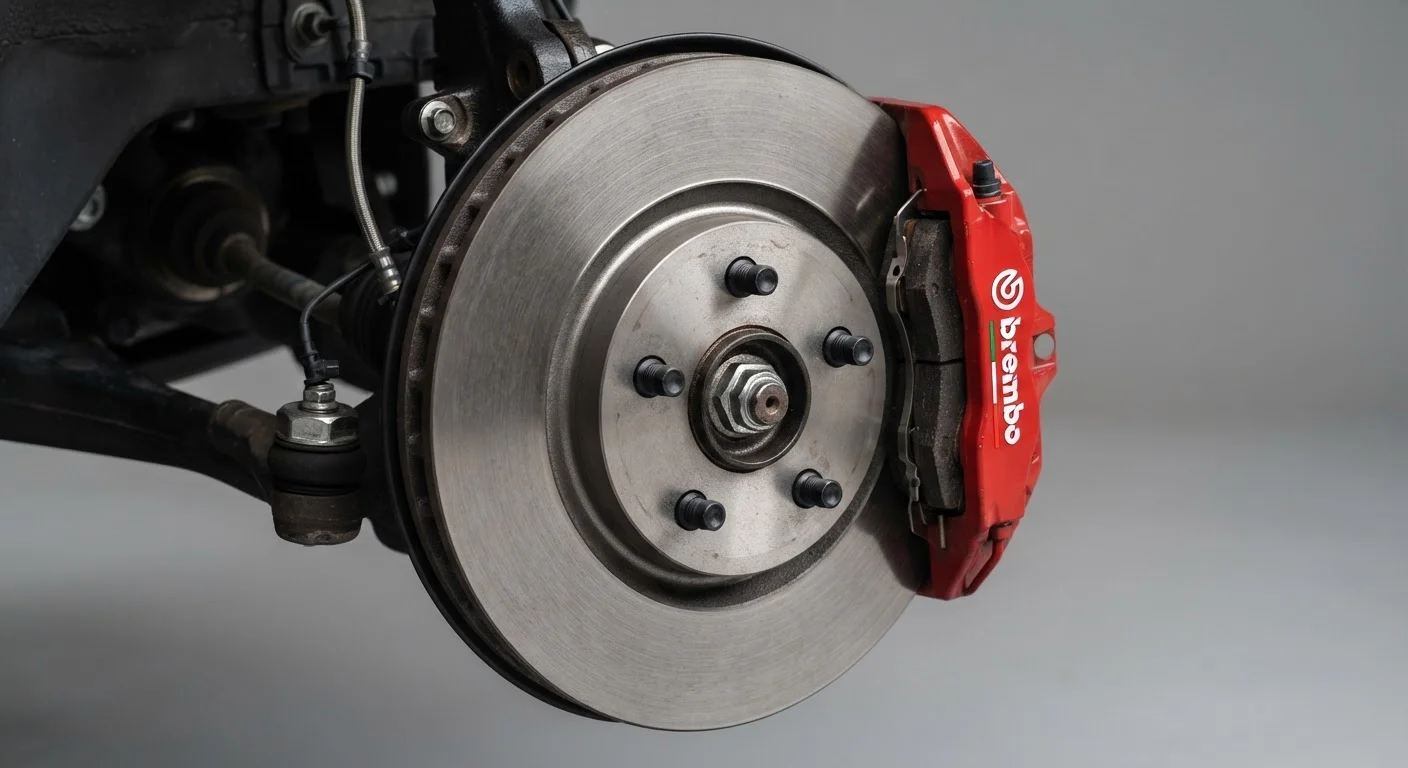
A fully electric vehicle (EV) runs entirely on battery power with no combustion engine. The ownership math can favor EVs significantly - electricity costs less per mile than gasoline in most U.S. regions, and EVs have fewer moving parts, meaning lower routine maintenance expenses (no oil changes, fewer brake replacements due to regenerative braking).
The catch is infrastructure dependency. Home charging - ideally a Level 2 (240-volt) charger - makes EV ownership seamless for most daily driving. Without it, you're relying on public chargers, which vary widely in availability and speed depending on where you live. Public DC fast-charging networks have expanded considerably, but rural areas and older apartment complexes remain genuine friction points.
Range anxiety is real but often overstated for drivers whose daily mileage stays well under the vehicle's rated range. The concern becomes legitimate for drivers who regularly make long interstate trips and can't plan around charging stops. Battery health and longevity is also worth understanding - EV battery degradation affects long-term range and resale value.
~$600
Estimated annual EV fuel savings vs. gas
The U.S. Department of Energy estimates that electric vehicle drivers can save several hundred dollars per year on fuel costs compared to average gasoline vehicles, depending on local electricity and gas rates.
80%
EV owners who charge primarily at home
According to the U.S. Department of Energy's Alternative Fuels Data Center, the large majority of EV charging in the United States occurs at home rather than at public stations.
Hybrids and Plug-In Hybrids: The Flexible Middle Ground
Standard hybrids (like traditional HEVs) use a gasoline engine paired with an electric motor and a self-charging battery. You never plug them in - the system manages energy recovery automatically. The result is meaningfully better fuel economy than a comparable gas vehicle, with no change in how you refuel.
Plug-in hybrids (PHEVs) add a larger battery that you can charge externally, giving you a window of all-electric driving - typically 20 to 50 miles depending on the model - before the gas engine takes over. For drivers with short-to-medium commutes and access to charging, a PHEV can function as a practical daily EV while eliminating range anxiety on longer trips.
The trade-off is complexity. PHEVs carry both a combustion system and an electrified drivetrain, which means more components to maintain over time. Drivers who rarely charge their PHEV end up hauling extra battery weight while burning gas - negating much of the efficiency benefit.
Maximize PHEV Savings: Charge Consistently
A plug-in hybrid only delivers its efficiency advantage if you're regularly charging the battery. If your parking situation doesn't support home charging, a standard hybrid or EV may be a more honest match for your lifestyle. Before purchasing a PHEV, confirm whether your home can accommodate a Level 1 or Level 2 charger - and factor in installation costs if it can't.
Conventional Gas: Still the Right Answer for Many Drivers
A gasoline-powered vehicle remains the most operationally flexible option available. Refueling takes minutes anywhere in the country, purchase prices tend to be lower than comparable EVs, and the used market is deep and well-understood. For drivers in rural areas, those who regularly tow or haul heavy loads, or anyone whose circumstances make charging impractical, gas often remains the rational choice - not a default or a compromise.
The ongoing cost picture is less favorable. Gas prices fluctuate, fuel costs per mile are higher than electricity in most markets, and maintenance requirements (oil changes, timing belts, exhaust components) add up over time. Long-term total cost of ownership studies consistently show EVs becoming more economical as mileage accumulates, but that crossover point depends heavily on fuel prices, driving patterns, and how long you keep the vehicle.
Pairing your powertrain decision with the right ownership structure also matters. Whether you buy or lease affects how you absorb depreciation differences across powertrain types - worth considering before you commit. See our comparison of owning vs. leasing for a fuller breakdown.
Comparing the Three Side by Side
No comparison replaces running the numbers against your specific situation, but a structured look at key criteria helps surface the right questions to ask.
| Electric (BEV) | Hybrid (HEV) | Plug-In Hybrid (PHEV) | Gas | |
|---|---|---|---|---|
| Upfront Cost | Typically higher | Moderate premium | Moderate-to-high premium | Generally lower |
| Fuel Cost Per Mile | Lowest (electricity) | Lower than gas | Low if charged regularly | Highest |
| Routine Maintenance | Least (no oil changes) | Similar to gas | Similar to gas | Most ongoing costs |
| Home Charging Required | Strongly recommended | Not required | Recommended for savings | Not applicable |
| Long-Distance Flexibility | Requires planning | Fully flexible | Fully flexible | Fully flexible |
| Best Fit | Short-medium daily commuters | Mixed driving, no charging | Short commutes + road trips | Rural, high-mileage, towing |
For a broader view of how vehicle category interacts with powertrain choice - for example, whether an electric SUV fits your cargo needs - our guide to matching vehicle type to real-life needs is a useful companion read.